CIO websites

Personal websites for CIOs: programmes judged by adoption, not go-live

A chief information officer's programmes run for years, involve vendors and are easy to describe only by budget and go-live date. A CIO's personal website should show the business case behind each programme, how widely the result was adopted, what was retired along the way, and how resilience and cyber risk were governed, without exposing anything an attacker could use.

Preview all 300 designs as a CIO website →

Updated October 2026

The designs

Read the brand stories of 30 CIOs

Every design below is a complete website written for a fictional Chief Information Officer, each in a different sector: 10 Royale, 10 Signature, 10 Advantage. Open any one and read it as a chair, an investor or a search consultant would. Your own site is written from your approved profile; the names and stories here are demonstrations, not client work.

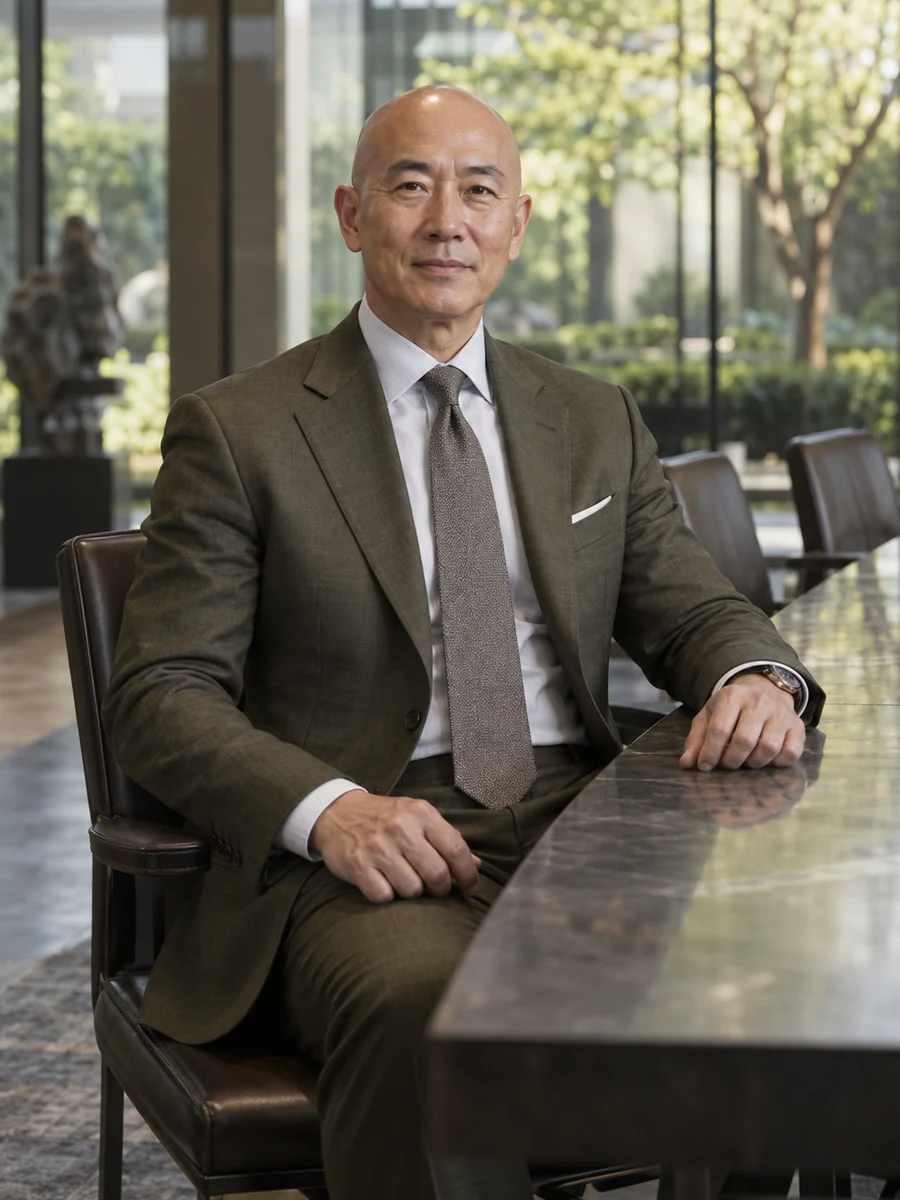
Porcelain / The Field Notes

Takeshi Kato

Chief Information OfficerJapanese non-life insurance: household fire and earthquake cover, motor and compulsory motor liability, and small-business property, sold through agencies in western Japan · Japan

Read the brand story

Signature / Minimal

Read Takeshi Kato’s Brand Story

The Porcelain / The Field Notes design · Insurance

Dateline-led dispatches alongside a visible career rail and the places behind the perspective.

≈ USD 1,087 + GST, first year incl. hosting

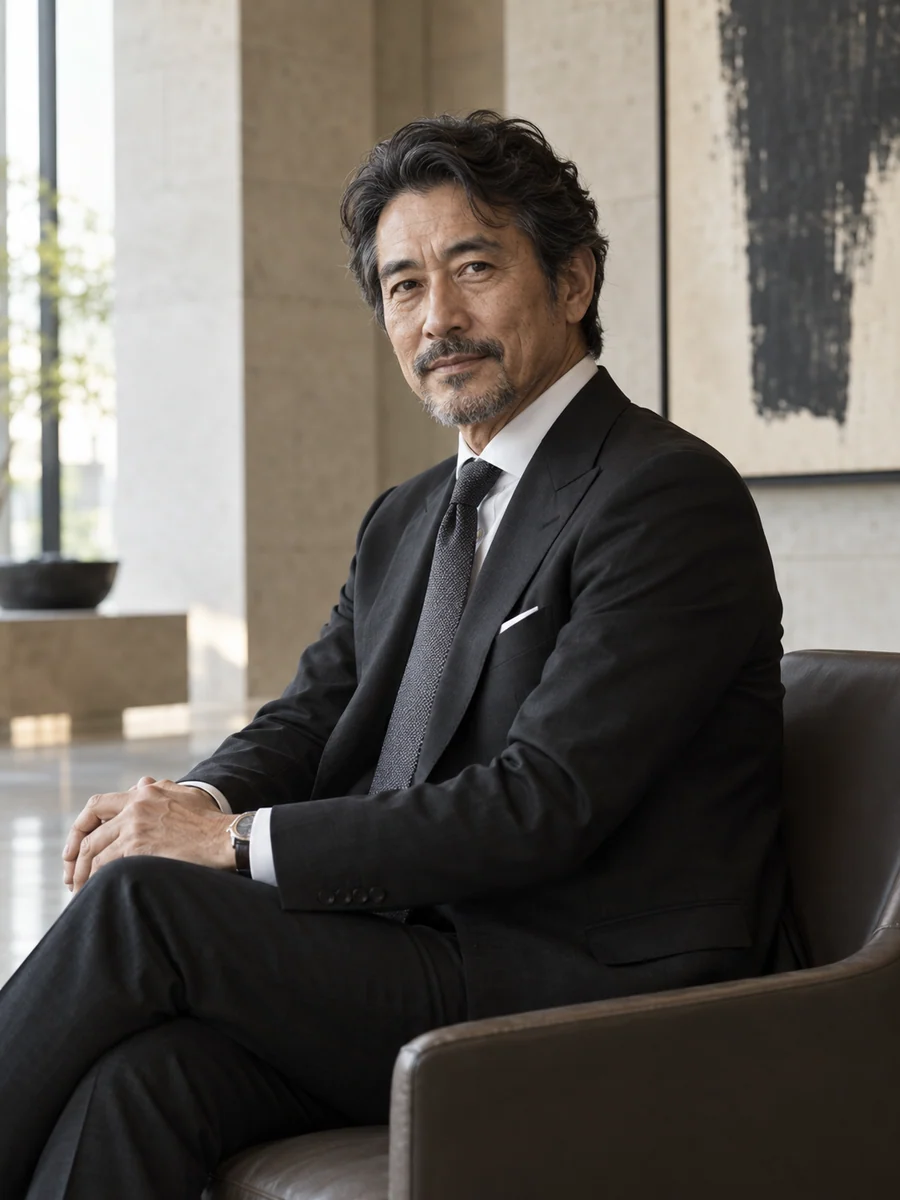
Copper / The Summary

Reina Mizukaede

Chief Information OfficerRegional retail securities brokerage: face-to-face advice through branches, online trading and NISA accounts in Shikoku and Okayama · Japan

Read the brand story

Advantage / Editorial

Read Reina Mizukaede’s Brand Story

The Copper / The Summary design · Banking & Financial Services

A precise executive brief: accountability, scale and a clear invitation to connect.

≈ USD 652 + GST, first year incl. hosting

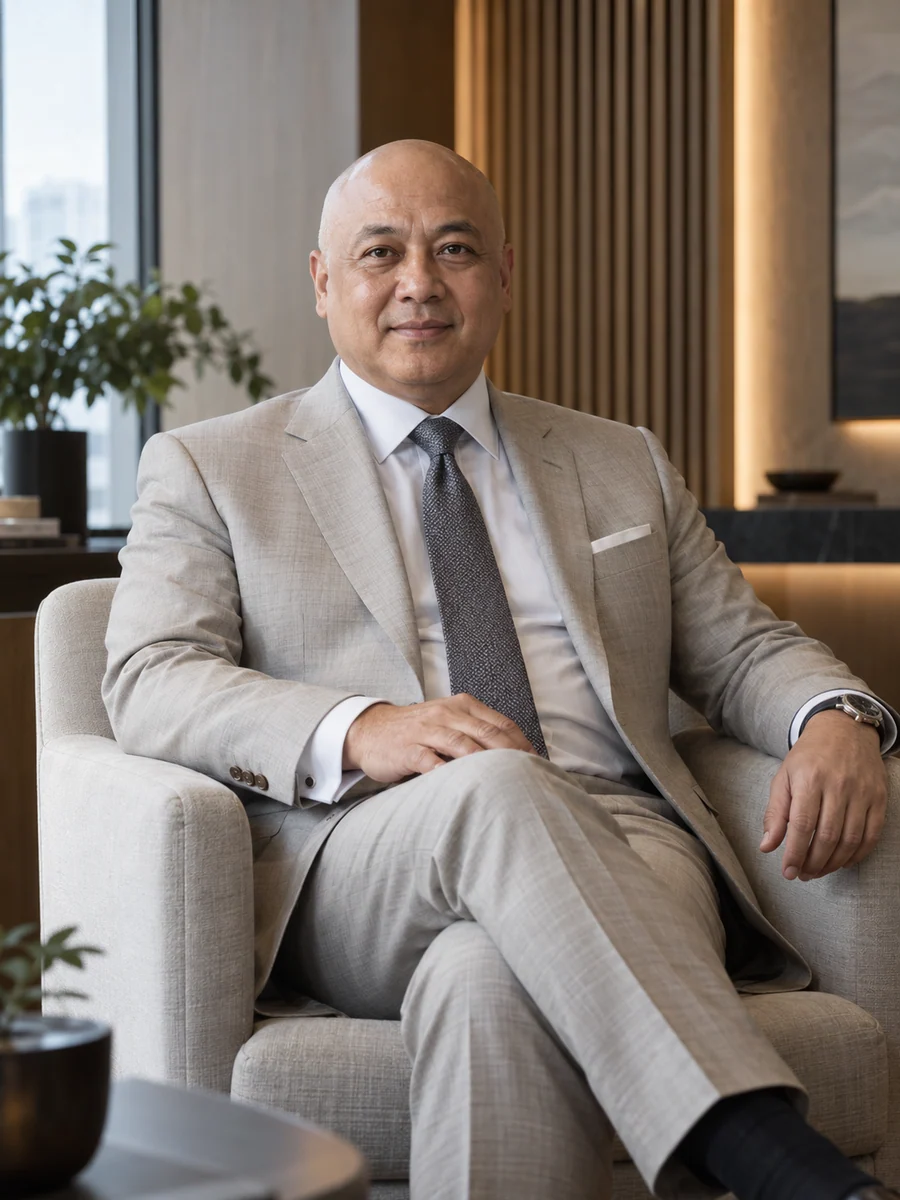
Meridian / The Columnist

Gabriel Hawthorne

Chief Information OfficerGeneration and transmission cooperative supplying member distribution cooperatives, with a shared billing and outage-management service for its members · United States

Read the brand story

Signature / Contemporary

Read Gabriel Hawthorne’s Brand Story

The Meridian / The Columnist design · Energy, Power & Renewables

A byline portrait and a leading essay, with the author’s standing conviction.

≈ USD 1,087 + GST, first year incl. hosting

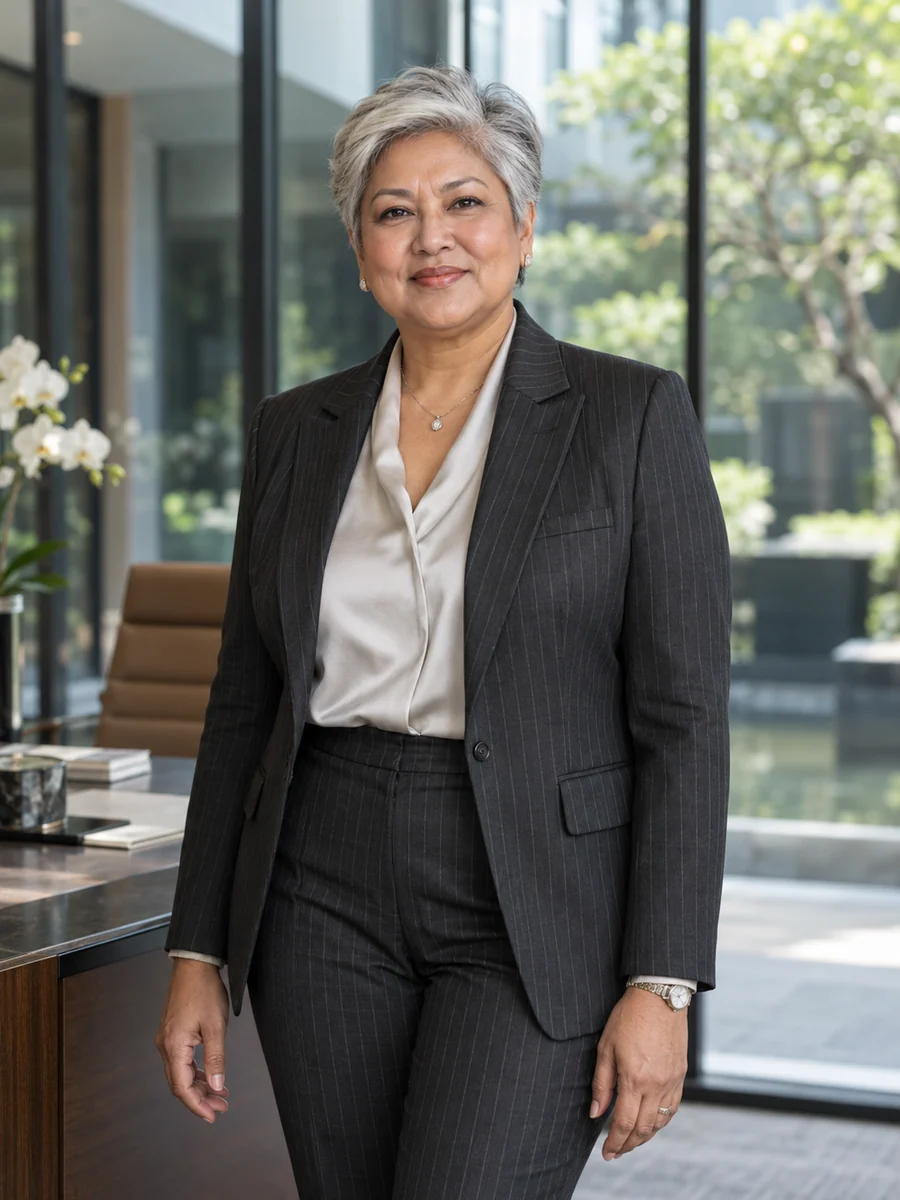
Graphite / The Record

Masato Kurehagi

Chief Information OfficerJapanese sweets and baked gifts sold through own shops, department-store counters, gift catalogues and online across Tochigi, northern Kanto and Tokyo · Japan

Read the brand story

Advantage / Contemporary

Read Masato Kurehagi’s Brand Story

The Graphite / The Record design · Consumer Goods & Retail

A composed career ledger for leaders whose experience belongs in the boardroom.

≈ USD 652 + GST, first year incl. hosting

Cypress / The Blueprint

Reza Nair

Chief Information OfficerOffice and logistics property ownership with continuing occupier and building services · Singapore / Southeast Asia

Read the brand story

Royale / Dark

Read Reza Nair’s Brand Story

The Cypress / The Blueprint design · Infrastructure, Real Estate & Construction

An architect's drawing of a career: visible grid, specification tables and annotated evidence.

≈ USD 3,726 + GST, first year of service incl. hosting

Indigo / The Portrait Room

Louisa Barrett

Chief Information OfficerNot-for-profit community housing: owned and state-leased social and affordable rental homes in Queensland · Australia

Read the brand story

Advantage / Editorial

Read Louisa Barrett’s Brand Story

The Indigo / The Portrait Room design · Infrastructure, Real Estate & Construction

A quiet portrait gallery with captioned studies of consequential leadership.

≈ USD 652 + GST, first year incl. hosting

Show 18 more CIO brand stories

Graphite / The Review

Kenji Takahashi

Chief Information OfficerA private railway group's property company: station buildings, offices, logistics warehouses, rental housing and tenancies beneath elevated track, with a sponsored J-REIT · Japan

Read the brand story

Signature / Contemporary

Read Kenji Takahashi’s Brand Story

The Graphite / The Review design · Infrastructure, Real Estate & Construction

A literary review with a numbered contents page and notes from practice.

≈ USD 1,087 + GST, first year incl. hosting

Indigo / The Index

Serena Rahman

Chief Information OfficerCloud payroll and HR software with managed payroll services for employers across six Southeast Asian countries · Singapore / Southeast Asia

Read the brand story

Signature / Editorial

Read Serena Rahman’s Brand Story

The Indigo / The Index design · Technology & IT Services

A rational index of ideas, with a numbered taxonomy and a precise evidence grid.

≈ USD 1,087 + GST, first year incl. hosting

Travertine / The Headline

William Ashford

Chief Information OfficerGrain receival, storage, rail and road haulage, and a bulk export terminal in Victoria and southern New South Wales · Australia

Read the brand story

Advantage / Editorial

Read William Ashford’s Brand Story

The Travertine / The Headline design · Automotive, Mobility & Logistics

A commanding leadership thesis, followed by the scale and substance behind it.

≈ USD 652 + GST, first year incl. hosting

Sandstone / The Policy Brief

Keiko Sato

Chief Information OfficerDomestic trucking, contract warehousing and sequenced automotive-parts logistics, with forwarding in Thailand and Vietnam · Japan

Read the brand story

Signature / Minimal

Read Keiko Sato’s Brand Story

The Sandstone / The Policy Brief design · Automotive, Mobility & Logistics

An executive paper with a clear abstract, key findings and numbered fields of practice.

≈ USD 1,087 + GST, first year incl. hosting

Cypress / The Card

Imogen Fletcher

Chief Information OfficerRemote microgrids and isolated diesel, solar and battery power systems supplying mine sites and remote and Indigenous communities across northern Australia under long-term contracts · Australia

Read the brand story

Advantage / Dark

Read Imogen Fletcher’s Brand Story

The Cypress / The Card design · Energy, Power & Renewables

A generous calling card that unfolds into a concise leadership record.

≈ USD 652 + GST, first year incl. hosting

Porcelain / The Letterhead

Darren Koay

Chief Information OfficerRegional fibre home broadband in northern Peninsular Malaysia, with business connections, a streaming-television add-on and resold mobile SIMs · Singapore / Southeast Asia

Read the brand story

Advantage / Minimal

Read Darren Koay’s Brand Story

The Porcelain / The Letterhead design · Telecom, Media & Digital

Fine stationery, an open leadership letter and a carefully annotated career.

≈ USD 652 + GST, first year incl. hosting

Meridian / The Arch

Elise Ferraro

Chief Information OfficerItalian life and pensions insurance: segregated-fund savings policies, unit-linked contracts, individual pension plans and term protection, sold through tied agencies and broker firms · Europe

Read the brand story

Advantage / Contemporary

Read Elise Ferraro’s Brand Story

The Meridian / The Arch design · Insurance

A warm, human introduction framed by soft arches and thoughtful testimony.

≈ USD 652 + GST, first year incl. hosting

Cypress / The Newsletter

Surya Halim

Chief Information OfficerPhilippine universal banking: retail deposits, payroll accounts, merchant QR acceptance and commercial lending · Singapore / Southeast Asia

Read the brand story

Signature / Dark

Read Surya Halim’s Brand Story

The Cypress / The Newsletter design · Banking & Financial Services

An archive of numbered letters, with this issue at the centre and a direct correspondence link.

≈ USD 1,087 + GST, first year incl. hosting

What you get

One leadership brand, built and looked after as a single service

Most executives assemble their public presence piece by piece: a designer for the site, a writer for the biography, someone else for LinkedIn, and nobody holding the story together. The Leadership Narrative brings strategy, positioning, the website, hosting and your social presence into one engagement, run by an executive search firm that reads leadership records for a living.

  1. 01

    Leadership strategy & positioning

    We agree with you what you want to be known for, by whom, and why now. That positioning statement becomes the brief for everything else, so every page and profile argues the same case.

    Advantage · Signature · Royale

  2. 02

    Re-positioning for your next chapter

    Moving from executive to board, across sectors, or into advisory work? We reframe the record you already have for the role you want next, without inventing anything.

    Signature · Royale

  3. 03

    Your leadership website

    A complete personal website in one of 300 designs, written from your own profile and refined with our team through up to five revision rounds before anything is published.

    Advantage · Signature · Royale

  4. 04

    Domain, hosting & care

    Your domain registered in your name, a secure (SSL) site set up and hosted by us, kept online and maintained, with one update round by our team in the first year.

    Advantage · Signature · Royale

  5. 05

    Social presence

    Every package includes a LinkedIn review so your profile and website tell one story. Royale adds year-round management: post and article drafts for you to publish, speaking pitches and a monthly report.

    LinkedIn review: Advantage · Signature · Royale · Managed: Royale

Compare what each package includes →

Why leadership branding matters

The leaders who are chosen are the leaders who can be found, and understood

Senior careers advance on judgement made at a distance: a search shortlist, a nomination committee, an investor reading ahead of a meeting. A leadership brand is how your record arrives before you do.

You are looked up before you are met

Nomination committees, search consultants, investors, journalists and future colleagues search a name before the first meeting. Whatever they find in that minute frames the conversation: an old press release, a thin profile, or a clear account of what you have led.

Your record is otherwise told by others

Company announcements describe the company, search summaries compress, and platforms impose their own format. A narrative you own sets out your scope, your decisions and your evidence in your words, and stays current between roles.

Every transition needs a reframe

The same career reads differently to a board, a new sector or a founder looking for an advisor. Positioning the record for the next role, before you are in the room, is how experienced leaders avoid being read only through their last title.

Consistency earns trust

When your website, LinkedIn profile, speaker biography and board CV agree on titles, dates and the story they tell, each one becomes more credible. Small contradictions between them are what careful readers notice first.

Unadvertised opportunities reach the visible

Many board seats, advisory roles and speaking invitations move through referral and search. Being easy to find and clearly positioned makes it simpler for the people doing that work to put your name forward.

An asset you own

Platform profiles change their rules, layouts and reach. A website on your own domain is yours: a permanent, citable home for your record that you keep current and take into every next chapter.

How it supports your career growth

A clear brand shortens the distance between your experience and the role you want next: the right people find you sooner, read your record the way you intend, and arrive at the first conversation already understanding what you bring. It does not replace performance, references or the judgement of those who appoint, and nobody is appointed because of a website. It makes your record easy to find, easy to read and hard to misread.

Talk to us about your brand

"Led a large digital transformation" appears in a great many CIO biographies, and readers have learnt to discount it. What distinguishes a CIO is the judgement inside the programme: what the business actually needed, which option was chosen and why, how far people used the result, and what was switched off once it worked.

CIO or CTO: say which job you do

The titles overlap, and readers will place you quickly. A CIO is usually read for the enterprise: core systems, data, infrastructure, security and the technology operating model behind the business. A CTO is usually read for the product: platforms and engineering that customers use. If your role spans both, say how the time divides. Leaders whose work is mainly product engineering should read the CTO guidance instead.

A record for each programme

For each major programme, give a reader the same five things:

  • the business problem, in business terms;
  • the option chosen, and the one rejected;
  • duration and budget, as ranges;
  • adoption: who used it, how widely, and how you know;
  • what was decommissioned, and what that saved or simplified.

The last point is the one most CIO sites leave out, and the one experienced readers look for, because retiring old systems is where programmes usually stall.

Cyber and resilience, described safely

Boards now ask every technology leader about cyber risk, and the site should answer without becoming a map for attackers. Describe the governance you built, how risk was reported to the board, the exercises you ran and how recovery capability improved. Leave out architecture, tools, vendors, incident details and anything still under investigation.

Towards technology and risk committees

Boards increasingly want a director who can question technology and cyber risk with authority. A CIO's readiness page should state whether you have reported to an audit, risk or technology committee, and what you would bring as a non-executive: the questions you would ask, not the systems you would build. A CIO joining an Indian board will find the official independent-director registers explained in the India guide.

The business case and the people who paid for it

Large technology programmes are funded by business leaders who expect something specific in return. Describe how you built a business case that a finance director would sign: the benefits promised, who owned each one, and how you tracked whether they arrived. Say which benefits were realised, which took longer, and which you stopped claiming. A CIO who can show benefits realisation honestly is rare, and boards notice it. If a sponsor changed mid-programme, explain how you kept the work aligned with the business rather than with the original slide.

Vendors and system integrators

Much of a CIO's money is spent through partners, so how you managed them is part of the record. Describe the sourcing decisions you made, how you structured contracts around outcomes rather than effort, a renegotiation or exit you led, and how you kept knowledge inside the organisation instead of with the supplier. Keep vendor names and commercial terms off the site; describe the type of partner and the principle.

Technology across a group of businesses

CIOs of diversified groups face a choice smaller organisations do not: which systems and services to share across businesses and which to leave to each one. Describe the model you chose, the arguments for and against, what you consolidated, what you deliberately left local, and how the businesses' view of the central technology function changed. This is strong evidence for group-level and board roles, where the same trade-off appears in many forms.

Running technology for the people inside the business

Much of a CIO's day is spent keeping internal services working: devices, networks, collaboration tools and the service desk. It is easy to leave out of a personal site and readers notice when it is missing. Describe the service levels you set, how you measured the experience of employees rather than only system uptime, and how you reduced the cost of running technology per person, as a range over a period.

Modernising core systems

Replacing an enterprise resource planning system, a core banking platform or a policy administration system is among the riskiest things a CIO does. If you led one, describe the sequencing you chose, how you protected the business during cut-over, how you handled data migration, and what you did when the plan met reality. Experienced directors read this as the clearest test of a CIO's judgement.

Technology spending, made legible

Finance directors and boards often see technology as a cost they cannot read. Describe how you changed that: separating the cost of running existing systems from the cost of changing them, allocating costs to the businesses that used them, and stopping spending that no longer supported a business priority. Give the shift in the balance between running and changing as a range over a period.

Enterprise architecture as a business tool

Architecture is easy to describe in diagrams and hard to make useful. If you used it to guide investment, describe how: the principles you set, the duplications you removed, the decisions it made faster. Keep the diagrams themselves off the site and describe the business effect.

Packages and prices

Choose how far the work goes

USD global reference prices. Converted prices are estimates; checkout is charged in INR. Every order is invoiced from India by Gladwin International and includes 18% Indian GST, wherever you are based. Reference rates: 2026-10-08.

One price for the first year, hosting included. Pay first, then choose your design, or ask us for something specific. Every package covers all 100 designs in its collection and works for a CIO in any sector.

Complete executive branding management

Royale

≈ USD 3,726

first year of service incl. hosting, + GST

Price rises on 1 December 2026: ≈ USD 3,726 → ≈ USD 7,451 + GST

  • Everything in Signature, including Re-positioning and speaking topics
  • LinkedIn posts and profile updates drafted for you, posted by you (or approved and scheduled by you)
  • Active pitching for speaking opportunities: conferences, podcasts and industry forums
  • Dedicated management of your executive brand, all year: a written editorial and outreach plan agreed at onboarding, with a monthly report
  • Subject-matter articles drafted with you, published after your approval
  • 100 flagship designs with speaking, media and boardroom pages
  • Managed hosting, billed separately each year + GST
Pay now · USD 3,726 + GST

Executive presence & publishing

Signature

≈ USD 1,087

first year incl. hosting, + GST

Price rises on 1 December 2026: ≈ USD 1,087 → ≈ USD 2,173 + GST

  • Everything in Advantage, including LinkedIn Review and Positioning
  • Multi-page website with a leadership journal you publish to yourself
  • Re-positioning strategy for your next chapter: board, sector or role transition
  • Speaking-topic development: keynote titles, abstracts and a speaker biography
  • 100 designs with a dedicated insights journal
Pay now · USD 1,087 + GST

Executive presence

Advantage

≈ USD 652

first year incl. hosting, + GST

Price rises on 1 December 2026: ≈ USD 652 → ≈ USD 1,304 + GST

  • Executive website: seven pages, 100 designs, mobile-ready with SSL
  • LinkedIn Review: headline, About, experience and Featured, rewritten to your positioning
  • Positioning statement: your leadership thesis and narrative, written by our team with you and used across website and LinkedIn
  • Domain procurement in your name; hosting set up and maintained by us
  • Private preview: nothing is published until you approve it
Pay now · USD 652 + GST

At a glance

  • Advantage (executive presence). Payable today: ₹63,000 + GST (price rises on 1 December 2026 to ₹1,26,000 + GST), covering the one-time website build and the first year of hosting. From the second year: hosting ₹18,000 + GST a year, at the rate on your order. Advantage: full scope and price
  • Signature (executive presence & publishing). Payable today: ₹1,05,000 + GST (price rises on 1 December 2026 to ₹2,10,000 + GST), covering the one-time website build and the first year of hosting. From the second year: hosting ₹30,000 + GST a year, at the rate on your order. Signature: full scope and price
  • Royale (complete executive branding management). Payable today: ₹3,60,000 + GST (price rises on 1 December 2026 to ₹7,20,000 + GST), covering the first year of the managed service and the first year of hosting. From the second year: hosting ₹60,000 + GST, and the managed service ₹3,00,000 + GST, each year, at the rate on your order. Royale: full scope and price
  • 300 designs (30 layouts, each in 10 palettes), 100 in each plan. Every design works for all ten C-suite roles and any industry, and each is shown as a fictional demonstration you can open before buying.
  • After payment and a complete profile, we aim to deliver a private preview of your website within about two hours. Connecting a custom domain follows separately.
  • Nothing is published until you approve it. The domain is procured in your name. Renewal opens in your studio 60 days before each anniversary, at the rate on your order; there is no automatic debit.
  • Up to 5 rounds of revisions before publication and one update round by our team in the first year after launch; you can also edit and republish your site yourself at any time. All payments are final and non-refundable, for any reason. That is why you choose your design and see your own preview before you publish, nothing goes live until you approve it, and your package includes revision rounds and every service it lists. Full terms
  • English-language websites, delivered online by Gladwin International to leaders in India and abroad.

What happens after you pay

  1. Payment confirmed When your payment is confirmed

    Your GST invoice is emailed and your private studio opens.

  2. Your profile At your own pace

    Complete your profile in the studio and choose your design (if you have not already). We can start the profile from your CV.

  3. Your preview Target: within two hours of a complete profile

    Your website preview is generated from your complete profile.

  4. Review and revisions Agreed with you at onboarding

    Our team reviews the preview and advises you through up to 5 revision rounds, covering design, content and structure.

  5. Your package services Agreed with you at onboarding

    Your positioning statement and LinkedIn review on every package, plus re-positioning strategy and speaking topics on Signature and Royale, delivered by our team.

  6. Approve and go live When you approve; domain timing agreed with you at onboarding

    Nothing is published until you approve it. Your own domain is connected after that, in your name.

  7. Royale only: the managed service From onboarding, through the year

    A written editorial and outreach plan agreed with you, then posts and articles drafted for you (posted by you, or approved and scheduled by you) and speaking pitches, with a monthly report.

  8. Through the first year Year one

    You can edit and republish your own website any time; one update round done by our team is included in the first year after launch. Renewal opens in your studio 60 days before the anniversary.

Who does what

You complete your profile in a private studio, and we can start it from your CV. Your website preview is generated from that profile. Our team reviews it and advises you through the revision rounds, and delivers the services in your package.

  1. You

    Complete your profile in your private studio: portrait, headline, biography, expertise, career and a leadership case study. We can start it from your CV. You choose what is published.

  2. The studio

    Generates your website preview from that profile, in the design you choose.

  3. Our team

    Reviews your preview and advises you through up to 5 revision rounds before publication. Nothing is published until you approve it.

Delivered by our team, by package

LinkedIn reviewAdvantage · Signature · Royale
Our team reviews your headline, About section, experience entries and Featured section against your positioning, and gives you rewritten text for each, so your LinkedIn profile and website tell the same story. You make the changes in your own account.
Positioning statementAdvantage · Signature · Royale
Our team writes, with you, a statement of what you want to be known for, for which audiences and why now: your leadership thesis and the narrative behind it. It is used across your website and LinkedIn.
Re-positioning strategySignature · Royale
For the move you are about to make (executive to board, one sector to another, corporate to advisory), our team reframes your existing record for the role you want next. Nothing is invented.
Speaking-topic developmentSignature · Royale
Keynote titles, abstracts and a speaker biography, prepared by our team for programme committees.
Royale managed serviceRoyale
Through the year our team drafts LinkedIn posts and articles with you; you post them yourself, or approve and schedule them yourself. We never sign in to or post from your LinkedIn account. Articles go on your website only after your approval. We pitch you to conferences, podcasts and industry forums suited to your positioning; organisers decide. The work follows a written editorial and outreach plan agreed at onboarding, with a monthly report.

CIO websites by industry

Each industry page shows three fictional demonstration sites for a CIO, one in each plan. Pages marked “guide” also carry written guidance for that sector.

Questions leaders ask

Does the site help a CIO move into digital or operations leadership?

It can, when it shows changes to processes, customer journeys or the operating model that technology made possible, and the business results that followed. Readers hiring for broader roles look for that evidence before they look at systems.

Should a CIO include speaking at technology conferences?

List a few recent talks with links if they are public. Vendor-sponsored stages are common in the field, so readers value talks at independent industry or governance forums more.

Can a CIO's website mention a cyber incident the company disclosed?

Refer only to what the company has made public, and describe what you strengthened afterwards in governance and recovery terms. Never add detail beyond the disclosure, even if it would make your response look better.

Should a CIO list technical certifications?

List them briefly on the career page if they are current. At executive level, readers look for programmes, adoption and governance first; certifications support the record rather than lead it.

How do I present a programme that ran late or over budget?

Say so, with the reasons and what you changed once it went wrong: scope, governance, the partner or the team. Then give the outcome. Experienced readers know that large programmes slip; they are reading for how you responded.

Should a CIO name technology vendors on a personal website?

Rarely. Vendor names date quickly, can breach agreements and tell attackers what you run. Describe the type of solution and the decision you made between options.

How do I show the value of a transformation programme?

Through adoption and what changed in the business: processes shortened, decisions made faster, systems retired. Go-live dates and budgets alone describe activity rather than value.

Will my security team object to a CIO having a public site?

Usually not, if the site describes governance and outcomes rather than systems, suppliers or architecture. Show the draft to the security and communications teams before it goes live; it stays private until you approve it.

Your next step

Your record, told the way a CIO should be read

Choose a package and we start with your positioning. A private preview of your website follows within about two hours of payment and a complete profile, and nothing is published until you approve it.


Find your place in the collection

Browse by role, market or package.