The person behind the perspective
Learning to follow a correct figure into its meaning
I grew up in a Muslim family in Jamshedpur and completed civil engineering at Tezqumi Institute of Civil Studies in June 2000. My first job was with Zevquni Building Surveys that July. I worked in a six-person project group, preparing quantities and cost schedules under a senior surveyor. I had no supervisory or spending authority. The work taught me that a technically correct quantity could still be a poor explanation for a household trying to decide what it could afford to complete.
A renovation schedule contained several different kinds of certainty. Some work had been measured, some prices remained estimates and some choices had not yet been made. I learned to preserve those differences when explaining the total rather than present a precise-looking number that the underlying decisions could not support. The qualified professionals retained responsibility for their assessments. My contribution was initially to prepare the record accurately and make its assumptions available to the person who needed to examine them.
In April 2005 I became a survey-coordination manager. Fourteen colleagues worked through two leads, with ₹1.1 crore annual team expense under the operations director. Coordinating visits and reports exposed the work between a completed professional task and a customer's next decision. A report could be ready while a household still needed to understand a revised cost or arrange a different sequence of work. I became interested in how services explain that continuing responsibility instead of relying on each customer to discover it after an internal milestone.
I joined Qevluri Home Renewal Finance in September 2011 as product-planning manager and moved to Raipur. The lender needed to connect branch conversations, renovation evidence and the product presented to a borrower. I led six planning colleagues under the head of retail products. I did not bring credit authority with the engineering degree, and I was no longer signing a technical assessment as the lender's professional owner. The role was to identify what the product needed to explain, then work with the authorised teams on the conditions and evidence behind that explanation.
In June 2017 I became head of customer journeys, leading twelve colleagues through two managers under the COO. I began to watch users complete a task without a colleague supplying the missing explanation. An experienced employee could make a confusing screen appear clear by talking around it during a demonstration. The customer at home would not have that person beside them. I wanted research to retain the user's interpretation even when it made our preferred design look less complete than the project account suggested.
I became CPO in February 2021 and now lead eighteen product, research and design colleagues through three managers. Qevluri has 380 staff, nineteen branches and ₹920 crore outstanding loans at March 2026, with ₹156 crore income for the year ending then. My ₹6.2 crore FY 2026–27 function expense is separate from engineering and the lending portfolio. I report to CEO Anita Zavquni and work with COO Ritesh Qevnuri. Credit, legal, technical and servicing colleagues retain responsibilities that a product design cannot silently take over.
The contractor-panel case required me to apply that restraint to an idea I had supported. I thought a convenient list would help households begin their work and bring relevant business to the company. Research showed that some users interpreted our preferred designation as assurance about the contractor's work. We did not have the service capability behind that belief. I withdrew the proposal rather than argue that a qualification somewhere on the page transferred the problem to the customer. The loss of projected sourced volume remains part of the decision.
Other cases are less dramatic but equally revealing. A household needs to distinguish the renovation budget from its loan, a request to stop future draws from repayment of existing debt, and a cleared balance from completion of every associated service task. A self-employed applicant may have credible evidence that does not fit a constant monthly-salary field. Product leadership means working on those differences without pretending that a clearer form replaces underwriting, that a better test result proves universal understanding or that a digital route removes the need for assistance.
I am considering a first board contribution where this experience could help directors examine the promise customers actually receive. I have presented product choices as an executive but have never held a statutory seat. I would need further governance preparation and a company-specific assessment of fit, relationships and time. The contribution I would offer is a habit of following an internal completion into the customer's remaining task, including the cost and responsibility that the organisation may otherwise leave outside its account.
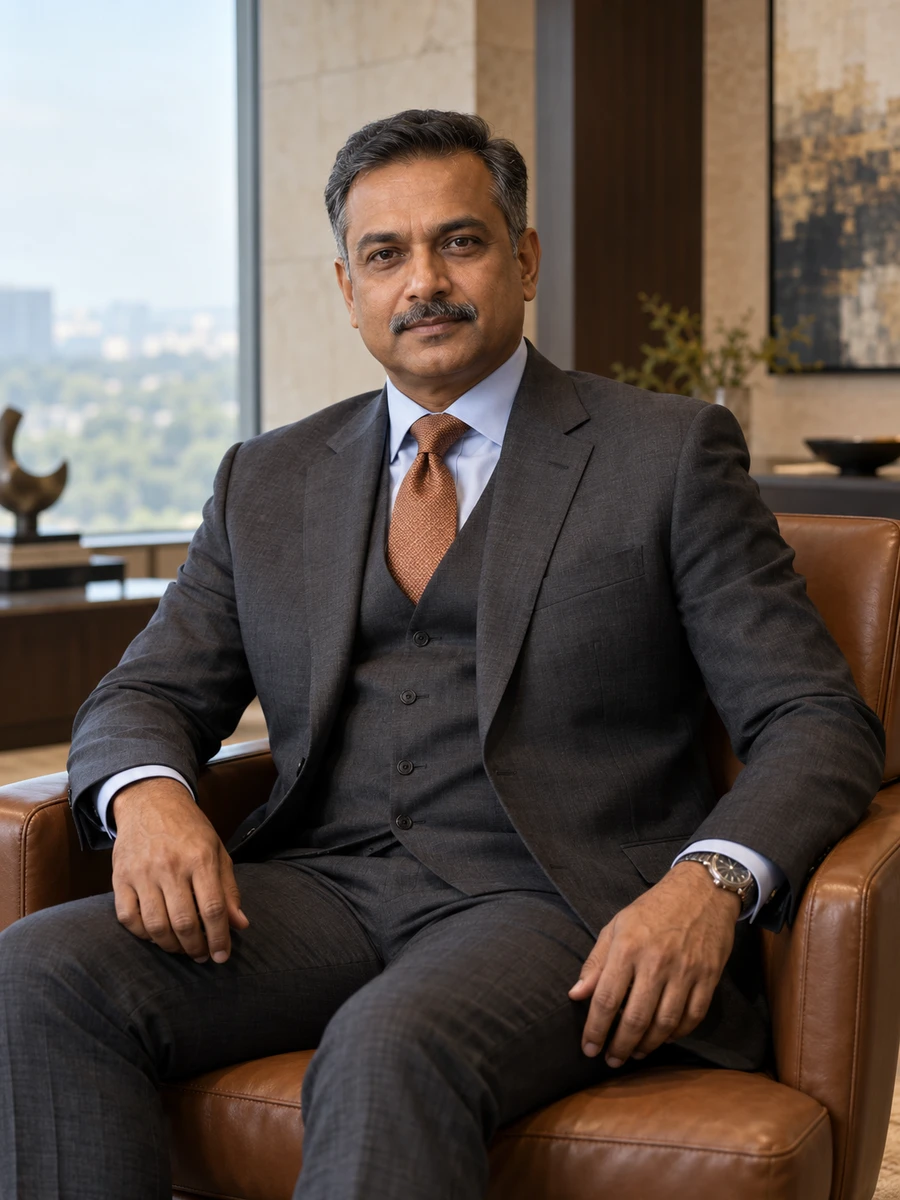
In my own words
I design lending products around the household's task, including the part our own process does not complete. A loan amount does not describe the whole renovation budget. Stopping future draws does not erase money already borrowed. A cleared balance can leave documents and other servicing work outstanding. The product should help people understand those distinctions before they act. I also want the company to recognise when a useful-looking feature invites a promise it cannot support, even when removing that feature makes the commercial proposition less attractive.
Aftab Qevzuri
Education
Formation
- Bachelor of Engineering in Civil EngineeringTezqumi Institute of Civil Studies2000
Working languagesHindi · Urdu · English