Sheet 02 · The person behind the perspective
Seventy-five claims could not be fulfilled by sixty-four machines
Seventy-five order claims were attached to sixty-four sewing machines. Eleven physical units had been promised twice, while the other fifty-three had one claim each. I had accepted a reservation process that treated a local confirmation as sufficient without protecting the same physical unit from another commitment. The 2020 review made the contradiction visible before it could be explained away as a stock-summary discrepancy. A customer promise needed an assignable machine, not merely a reassuring entry in one part of the process.
We held further confirmation while reconciling customer options and allocated ₹29 lakh to reservation redesign. This fictional case does not claim that a machine was physically shipped twice, that every affected order was cancelled or that a particular compensation result followed. The error belonged to the operating process I supported. It taught me to distinguish a status that looks complete within a team from a commitment the whole enterprise can actually fulfil.
I grew up in Mapusa and completed a diploma in industrial engineering at the invented Navqezmi Polytechnic in May 1994. That July I joined Dezqemri Retail Services as an operations assistant. The business employed eighty people and recorded ₹14 crore revenue for FY ending March 1995. I worked among six operations colleagues, without direct reports or spending authority. The role showed me the practical sequence behind shop promises and the importance of understanding what happened before and after my own task.
In July 2001 I became shop operations manager. Dezqemri employed 190 people and recorded ₹47 crore revenue for FY ending March 2002. I led twenty-four colleagues within ₹1.2 crore annual operating expense under the regional head. Managing a shop meant seeing how stock, service, staffing and customer explanations met in the same day. A process could be correct in isolation while leaving another team unable to complete the next step. I learned to ask about the connection rather than measure only my own activity.
I joined Tezqavmi in September 2008 as regional operations head. It had 210 employees and ₹64 crore revenue for FY ending March 2009. My remit covered 110 operating colleagues through three managers and ₹7.8 crore annual operating expense under the operations director. Sewing-equipment retail combined products with demonstration, repair and parts service. I developed respect for the technical judgement required in that setting while learning to make operating commitments clear enough for qualified specialists and customer-facing teams to work together.
From April 2015 I was operations director, a management title rather than a statutory appointment. Tezqavmi then employed 320 people and recorded ₹103 crore revenue for FY ending March 2016. I led 224 operating colleagues through four heads with ₹16 crore annual expense under the CEO. This was the role in which I accepted the flawed reservation process. Wider responsibility did not prevent me from overlooking how separate confirmations could compete for the same machine. Retaining that decision in my career account matters more than presenting progression as uninterrupted success.
I became COO in January 2021. Today 306 operating colleagues work through five leaders within ₹24 crore annual operating expense, excluding merchandise purchases and separately approved capital. The nineteen-shop company employs 410 people, with ₹146 crore revenue and ₹10.4 crore operating profit for FY ending March 2026. Employee holders own 62%, including my 0.4%, and the founding family 38%. I have no statutory seat. CEO Reema Zhevquri retains enterprise authority, while Joseph Mevqari owns technical assessment, repair release and training.
Later cases sharpened the same operating habit in different ways. Seventy-two of 180 open repair jobs awaited customer quotation authorisation rather than bench work. A punctual-departure measure began too late to describe parts held for consolidation. Two demonstration benches could not serve concurrent bookings with one qualified person. In each case, the next decision depended on identifying the actual condition preventing the customer promise from being met, rather than asking a team to improve an attractive but incomplete measure.
Extended shop hours added a financial test. A fourteen-shop trial produced ₹18 lakh incremental sales and ₹6 lakh associated gross contribution against ₹11 lakh additional staffing and utilities, a ₹5 lakh period gap before other unchanged costs. We did not make network rollout automatic from the sales figure. For an outside role I would bring this attention to sequence, resource and scope while learning the wider responsibilities of a board. Registration remains unstarted, and proposed capacity requires review alongside the executive job and my ownership interest.
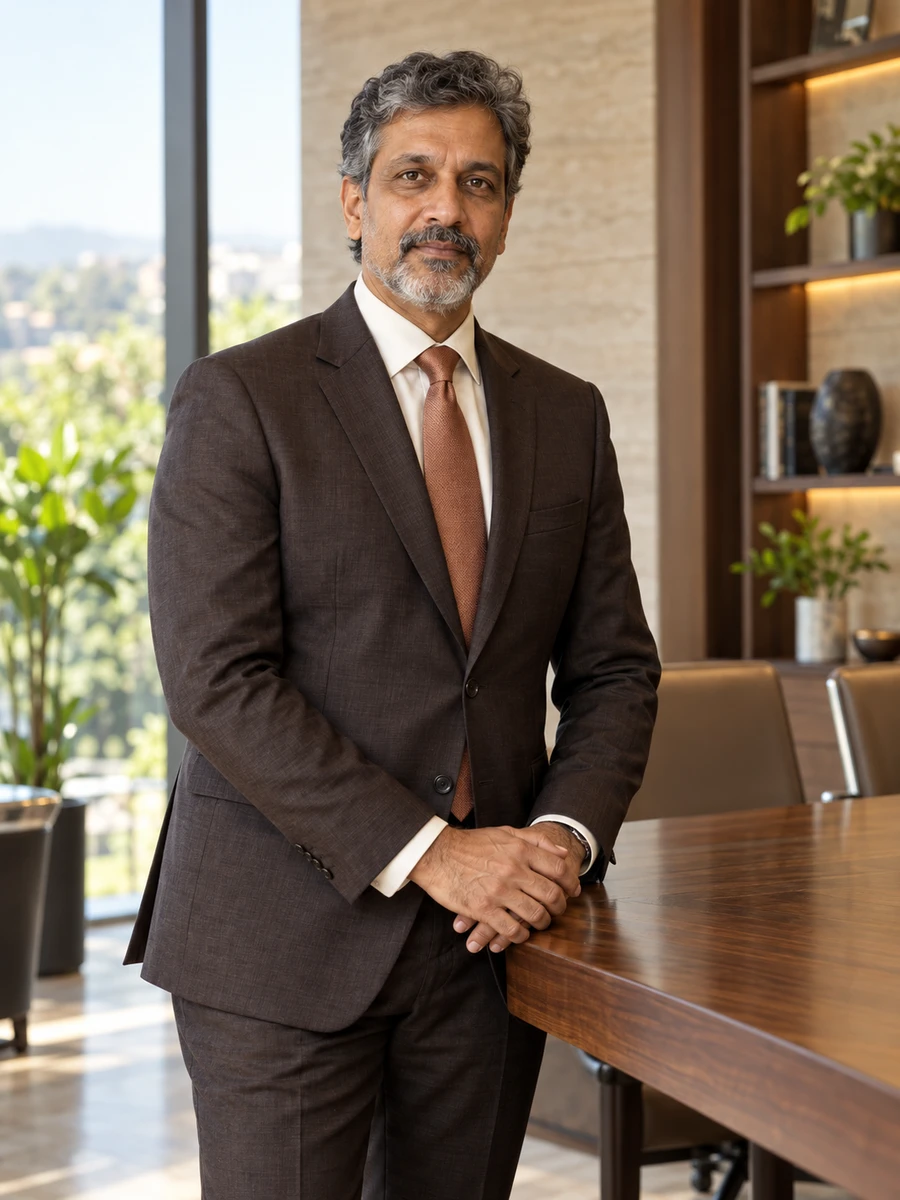
In my own words
A department can complete its activity while the customer is still waiting for the promised result. I want operating measures to retain the time before dispatch, the authorisation before repair and the people needed beside a demonstration bench. My own reservation error taught me to examine the whole commitment before accepting a reassuring internal status.
Martin Veqzhemi
Education
Formation
- Diploma in Industrial EngineeringNavqezmi Polytechnic1994
Working languagesEnglish · Konkani · Marathi