Sheet 02 · The person behind the perspective
I learned to follow an instruction into the store that receives it.
I learned retail beside a stockroom door. A delivery had arrived, customers were asking for help and a display needed to change before the afternoon. None of those jobs was unusual. The difficulty was that they needed the same people at the same time. A central report could show each instruction as issued without showing how the store would perform them together. That difference between sending work and making it possible has stayed with me throughout my career.
I completed a commerce degree at the fictional Vellenshore College in June 1989 and joined Larkensmere Retail the following month as a shop-floor trainee. My early work involved stock presentation, receiving support and serving customers under a supervisor’s direction. I had no budget or authority over colleagues. What I could see was the movement of work through a day: a late delivery occupying space, a missing label creating another question, or an instruction whose author had assumed a condition that did not exist in that store.
In March 1996 I became a store manager. The job required me to make choices about the whole day rather than complete only my own part of it. A well-presented aisle mattered, but so did a clear receiving area and a colleague available when a customer needed an answer. I initially tried to satisfy every central request in the order it arrived. That was not a plan. It allowed the loudest or latest instruction to displace work whose importance had not changed. I learned to ask what could move, what could not and which decision needed a different owner.
I joined Caldervane Stores as a regional operations manager in June 2004. The role gave me a wider view and introduced a mistake I would later have to confront in my own central planning. In 2008 I approved a shelf-reset window across eighteen stores without adequately testing the practical work involved. Thirteen completed within the original period; five needed an extension. We funded C$94,000 in paid cover and correction work. I had described the task too simply and should have tested the instruction with the managers expected to carry it out.
In April 2011 I became store network director, a functional operating title rather than a statutory board appointment. I worked on the relationship between delivery arrangements and the trading day. A 2015 programme moved receiving windows away from periods of concentrated customer demand in eighteen stores. It cost C$320,000 in coordination, cover and revised service arrangements. The result was a more deliberate working sequence for those locations, not a claim that every store or carrier could adopt the same timetable without consequence.
A later refit decision challenged my instinct that remaining open was always the strongest continuity answer. For four stores, we chose nine-day closures instead of twenty nights of partial working access. C$410,000 funded temporary customer-service arrangements and staff cover, separate from the capital programme. The closure inconvenienced customers and interrupted normal trading. I supported it because the alternative also disrupted the store’s ability to function, but spread that disruption across a longer and less clear sequence. The choice needed an honest account of both forms of inconvenience.
I became COO in September 2018. Today I lead 3,200 store and field-operations colleagues through six direct reports, with C$164 million delegated operating expense for 2026. Caldervane’s C$1.24 billion net revenue for 2025 and merchandise-buying commitments are different measures. I report to fictional CEO Maren Valescott and work with the authorised owners of employment, finance, product-safety and other specialist decisions. The operating role connects the work; it does not absorb every authority needed to perform it.
Two more recent cases changed how I read the store account. A returns review distinguished stock physically present from stock assessed as ready for another sale. A central-task trial reduced forty-eight weekly requests to twenty-eight through explicit withdrawal and combination, rather than asking stores to become better at absorbing the same volume. My future interest is in retailers willing to examine the work their central choices create. A first board role could draw on the same experience through questions about capacity and accountability, with a clear boundary between oversight and managing the next store day.
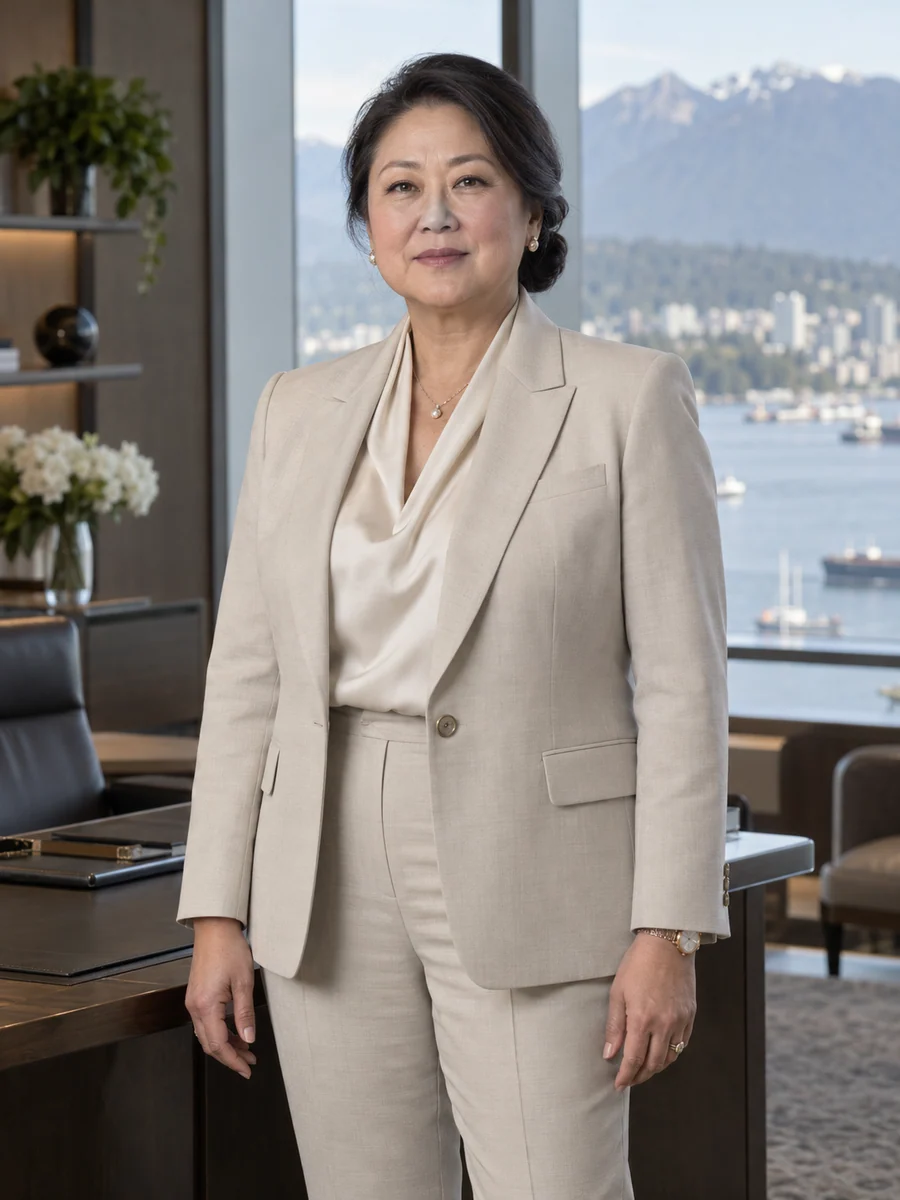
In my own words
I trust the view from a store that has just received a delivery, is changing a display and has customers waiting for help. Each head-office request can sound reasonable on its own. The operating question is what happens when they arrive together. My responsibility is to make that combined working day visible before another instruction becomes somebody else’s unfinished task.
Gabrielle Whitmore
Career
Chapters of accountability
September 2018 — present
Chief Operating Officer
Caldervane Stores
I make central requests and stock accounts answerable to the practical conditions in stores.
April 2011 — August 2018
Store Network Director
Caldervane Stores
I connected delivery and refit decisions with the service a store could actually provide.
June 2004 — March 2011
Regional Operations Manager
Caldervane Stores
I learned to test a central instruction before treating its deadline as a credible local commitment.
March 1996 — May 2004
Store Manager
Larkensmere Retail
I learned to coordinate the whole trading day instead of answering requests in arrival order.
July 1989 — February 1996
Retail Trainee, then Department Supervisor
Larkensmere Retail
I followed shop-floor tasks into the work they left for the next colleague.
Education
Formation
- Bachelor of commerceVellenshore College1989
Working languagesEnglish · French