Chief Operating Officer India
The source stayed important as the machines changed
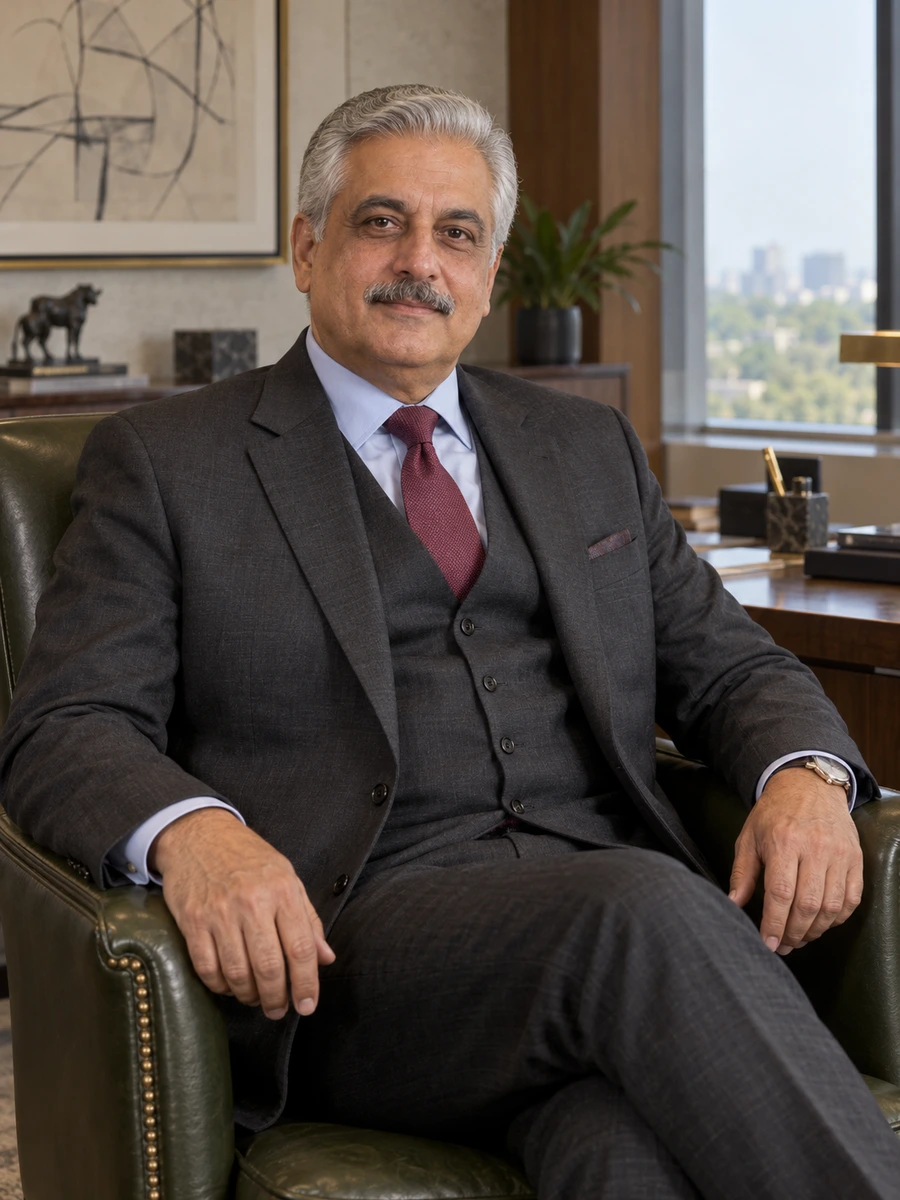
I began my working life beside a large-format copier, handling drawings that other people understood far better than I did. My responsibility was modest but exacting: reproduce the sheet, keep its identity with it and return the source to the right place. A crisp copy of the wrong revision was not a successful piece of work. That distinction became the thread running through my career. The technology changed, the volumes increased and my authority widened, but the service still depended on knowing what the output represented and what it could not establish.
After completing a diploma in printing and reprographic technology at the fictional Porvani Technical College in May 1987, I joined Kelmavi Engineering Records that July. The business supported industrial customers with drawing reproduction and records preparation. I worked as a records assistant and later coordinated small jobs, learning how easily an identifier could become detached from the physical item it described. I had no authority to approve engineering content. When a source was unclear, the responsible action was to ask for clarification rather than make a tidy-looking assumption on the customer's behalf.
In April 1994 I joined Thervani Document Systems as a conversion-line supervisor. The company was beginning to combine physical preparation with digital capture for larger backfiles. I led eighteen operators and had to reconcile the pressure for throughput with the condition of the material arriving. Some pages were straightforward; others needed careful handling or a different capture setup. A daily total could make those differences disappear. I began separating completed work from repeat captures and items awaiting a source decision, because otherwise the line could appear productive while the client received less usable material than the count suggested.
I became quality manager in January 2003. That appointment changed my relationship with production colleagues, including people whose work I had previously supervised. A quality objection could delay a dispatch and upset a schedule they had worked hard to meet. I learned to explain the defect in terms of the intended use, rather than rely on the authority of the quality function. If an annotation was faint but material to the record, the question was whether it had survived the conversion. If the original was itself incomplete, we needed to record that limitation rather than imply that more scanning could solve it.
The quality role also exposed a mistake in my own approach. I once encouraged teams to concentrate review on a small set of familiar defect categories because those were easy to report consistently. The result was a good account of what we already knew to look for, with less attention to unusual material. I broadened the review to include source characteristics and client use. A standard remained necessary, but it had to leave room for an operator or reviewer to identify a problem that the form did not anticipate. That lesson remains relevant whenever a dashboard makes a service look more uniform than it is.
In July 2012 I became director of delivery operations, an executive title that did not include a statutory board appointment. I led 510 operations colleagues through five heads by FY 2019, with ₹58 crore in delegated annual operating expense. The role connected intake, preparation, capture, metadata and delivery across several locations. I could no longer examine every exception myself. I needed supervisors to understand what they could decide, what required a client answer and how unresolved work should appear in the delivery account. A dependable process had to survive without my presence beside the batch.
I was appointed COO in April 2019. The current remit covers 780 operations colleagues through six heads and ₹82 crore annual operating expense. The company's FY 2026 revenue of ₹136 crore describes its commercial scale, not a personal P&L claim. I report to the CEO and present operational matters to directors, while technical engineering decisions, finance, employment policy and legal assessments retain their own owners. The most useful part of my role is connecting those responsibilities when a delivery promise requires more than one function to agree what completion means.
Recent cases have reinforced that view. We accepted the cost of reprocessing 86,000 images when faint annotations were not sufficiently legible. We paused intake over a mismatch between expected and received boxes, then established that one box had remained with the client. We asked for clarification on ambiguous drawing revisions rather than label them current. These were not spectacular rescues. They were decisions to leave an unresolved matter visible long enough for the right person to answer it, even when the schedule or commercial discussion would have been easier without the exception.
My interest in a first external board role comes from those operating questions. A service company can report a reassuring total while leaving unclear which obligation it has actually discharged. I would help directors ask about acceptance, unresolved work and the authority behind material assumptions. I would also need to resist the temptation to become another delivery manager. The board contribution I am preparing for concerns the quality of management's account and its decisions, not the daily direction of conversion teams or an unsupported claim to understand every customer's records better than the customer does.
Open to Board appointments
Languages / English · Gujarati · Hindi
A leadership conviction
I measure conversion work by what the customer can reliably do with the result. A high image count can conceal rework, an orderly index can conceal an uncertain revision, and a completed shipment can conceal an unreconciled source list. Operations must explain those differences before it asks a client to accept the service.
- Operations colleagues
- 780
- Six operating heads across centres and client sites
- Annual operating expense remit
- ₹82 Cr
- Delegated expense, distinct from company revenue and P&L
- Years in records operations
- 39
- Reprographics, conversion, quality and delivery leadership
Career chapters
2019–present 01
Chief Operating Officer
Thervani Document Systems
Leads conversion operations from source intake through client acceptance.
2012–2019 02
Director of delivery operations
Thervani Document Systems
Connected preparation, capture, metadata and delivery across operating locations; executive title, not a board seat.
2003–2012 03
Quality manager
Thervani Document Systems
Led review of conversion quality and the treatment of source limitations.
1994–2002 04
Conversion-line supervisor
Thervani Document Systems
Supervised physical preparation and digital capture for industrial backfiles.
1987–1994 05
Records assistant, later job coordinator
Kelmavi Engineering Records
Prepared reproductions, maintained identifiers and returned physical source records.
Education & credentials
- Diploma in Printing and Reprographic Technology
- Porvani Technical College · 1987
Perspectives from colleagues
Rustom has reported to me as COO since 2019. When a delivery account looks complete, he asks what the client can actually accept and use. He makes the cost of resolving an exception visible before we decide how to proceed.
We have worked together on quality and delivery since 2013. Rustom gives reviewers the backing to leave a question open when the source cannot answer it, then makes sure the right person is responsible for resolving it.