Chief Executive Officer India
The promise grew longer than the original transaction
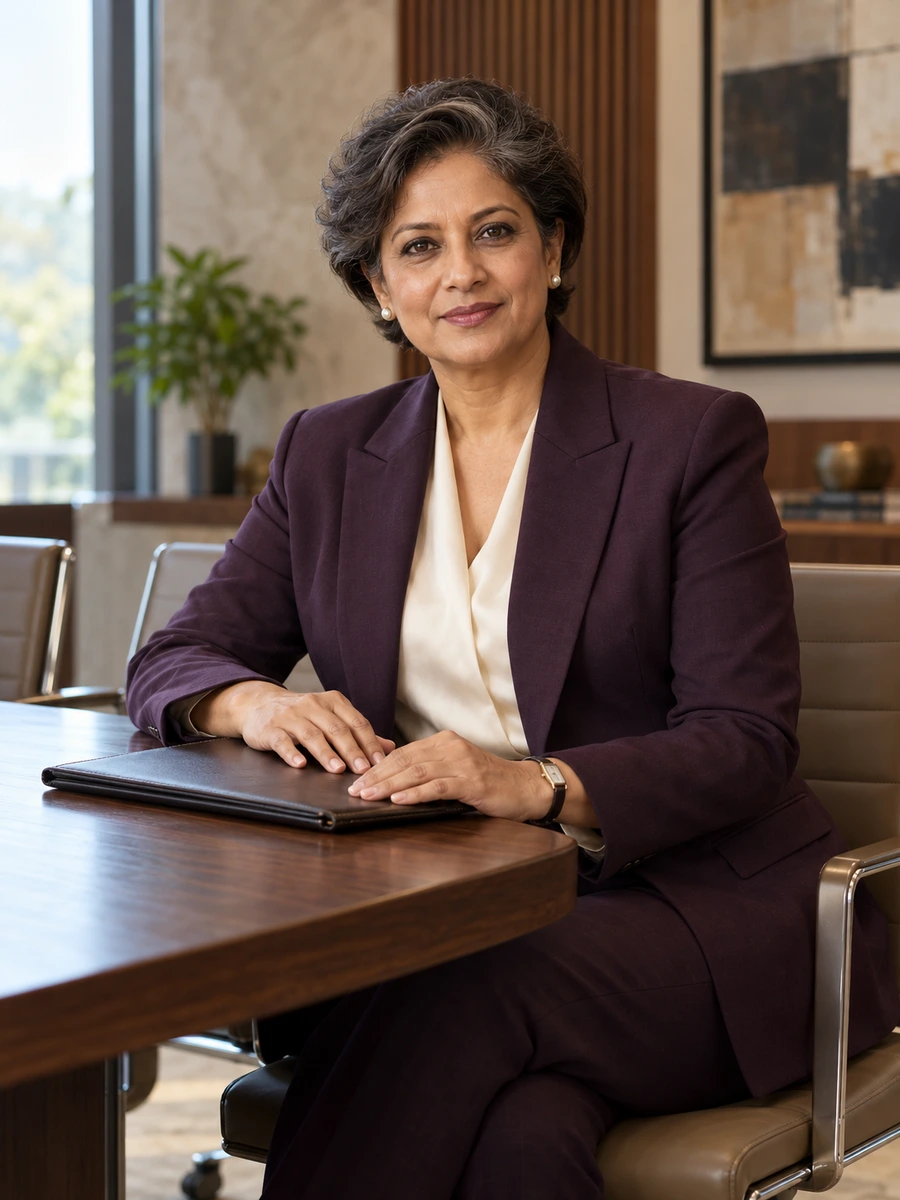
I once thought the combined margin gave me the answer I needed. We sold cinema equipment with a service arrangement, and the reviewed account appeared to cover direct cost. Sahana Lemqori asked what would happen after the installation team had left and the equipment sale stopped contributing. Across thirty-six contracts, ₹6.8 crore equipment revenue carried ₹6.3 crore direct cost, while ₹1.2 crore service revenue carried ₹1.7 crore direct cost. The two parts cancelled each other before central overhead. I had accepted a presentation that made the continuing promise look funded because it sat beside a different transaction.
I grew up in a Goan Christian family in Vasco da Gama and completed commerce at the fictional Zelqami Commerce College in June 1995. The following month I joined Veqzoli Projection Supplies as an inventory assistant. It had forty-five employees and ₹7.6 crore revenue for FY ending March 1996. I worked in a five-person inventory group without reports or purchase authority. Technical colleagues decided compatibility and condition. My task was to keep the commercial record connected to what had actually been ordered, received and committed. A shelf full of equipment was not evidence that the next customer's requirement could be met.
In September 2001 I became service commercial manager. Veqzoli then employed eighty-eight people and reported ₹16 crore revenue for FY ending March 2002. Twelve colleagues worked through two leads within ₹72 lakh annual function expense. We prepared service offers, followed authorised commercial decisions and worked with technical owners on what the company could promise. I learned that a broad description could create a narrow operational problem later: the customer remembered the reassuring phrase, while the service team still had to establish which system, condition and obligation it covered.
I joined Dazmethi as regional general manager in April 2008. The company had 110 employees and ₹28 crore revenue for FY ending March 2009. My region represented ₹18 crore of that revenue, with fifty-eight colleagues through four heads and ₹12.6 crore operating responsibility. The regional account brought equipment supply, installation coordination, service and customer relationships together. I could no longer treat a commercially successful sale as separate from the resources needed to support it. I also learned to distinguish the customer's financial pressures from the technical conditions under which our own team could responsibly work.
The COO appointment followed in January 2014. Dazmethi employed 164 people and recorded ₹43 crore revenue for FY ending March 2015. I led 124 operating colleagues through five heads within ₹34 crore annual operating expense. This was a wider mandate across service territories and equipment families, with technical and safety decisions retained by qualified owners. I wanted the operating plan to show which obligations continued after installation revenue had been recognised, and which inventory commitments depended on customer demand that had not yet become firm.
I became CEO and an executive director in July 2020. It was a difficult period for cinema customers, and I did not assume that previous attendance or buying patterns would immediately return. We distinguished existing obligations from new proposals and kept decisions about customer credit, staffing and technical work with the relevant responsible owners. The later cases on these pages concern specific reviews from 2022 onwards. They do not claim that our commercial changes caused the industry's recovery or removed the effects of disrupted exhibition activity.
Today six executives report to me across 218 employees and ₹64 crore FY 26 revenue. Founders own 56%, an employee vehicle 18% and a regional fund 26%. I have no personal holding or vehicle allocation. Prakash Qezmari chairs the board separately. Sahana leads operations, with qualified technical, safety, legal and finance owners retaining their responsibilities. Our FY 2026–27 operating envelope is ₹52 crore, alongside a separate ₹8 crore capital programme. My executive seat does not replace the board's authority over the enterprise choices I recommend.
The ₹91 lakh service redesign led to twenty-two of the thirty-six reviewed renewals being agreed with separately stated service scope, eight with narrower arrangements and six still pending. That is an account of contract decisions, not proof of higher profit. The older-system review covered eighty-four screens: fifty-two had a supported migration proposal, twenty could remain within a defined existing-support scope and twelve required further resolution. A ₹1.6 crore programme supported the review and transition preparation, without declaring every installation completed or every system supportable indefinitely.
We also declined additional supplier stock whose rebate looked more attractive than its demand evidence. Later, we declined a proposed ticketing venture despite knowing the cinema customers well. I remain interested in what the company should choose not to become. I speak Konkani and English, with working Marathi. I have not yet registered with the IICA databank and claim no assessment result or exemption. Eighteen days for a possible outside role is provisional. I would bring a board an account of commercial promises that survive the sale, including the combined margin I once accepted too readily.
Open to Board appointments
Languages / Konkani · English · Working Marathi
A leadership conviction
The sale and the years of support must belong to the same business decision.
- Enterprise responsibility through six executives
- 218 staff
- ₹64 crore FY 26 company revenue
- Inventory, service and business leadership
- 31 years
- Career from July 1995; CEO from July 2020
- Provisional external-board allowance
- 18 days
- One current executive seat; consent and preparation outstanding
Education & credentials
- Bachelor of Commerce
- Zelqami Commerce College · 1995
Perspectives from colleagues
Elvira put the service obligation back into the enterprise account. She did not ask the board to confuse a signed renewal with evidence that the economics had already improved.
She supported a defined technical scope when a broad commercial promise would have been easier to renew, and kept unresolved systems visible in the plan.