Chief Operating Officer India
Learning to ask what the copy was meant to preserve
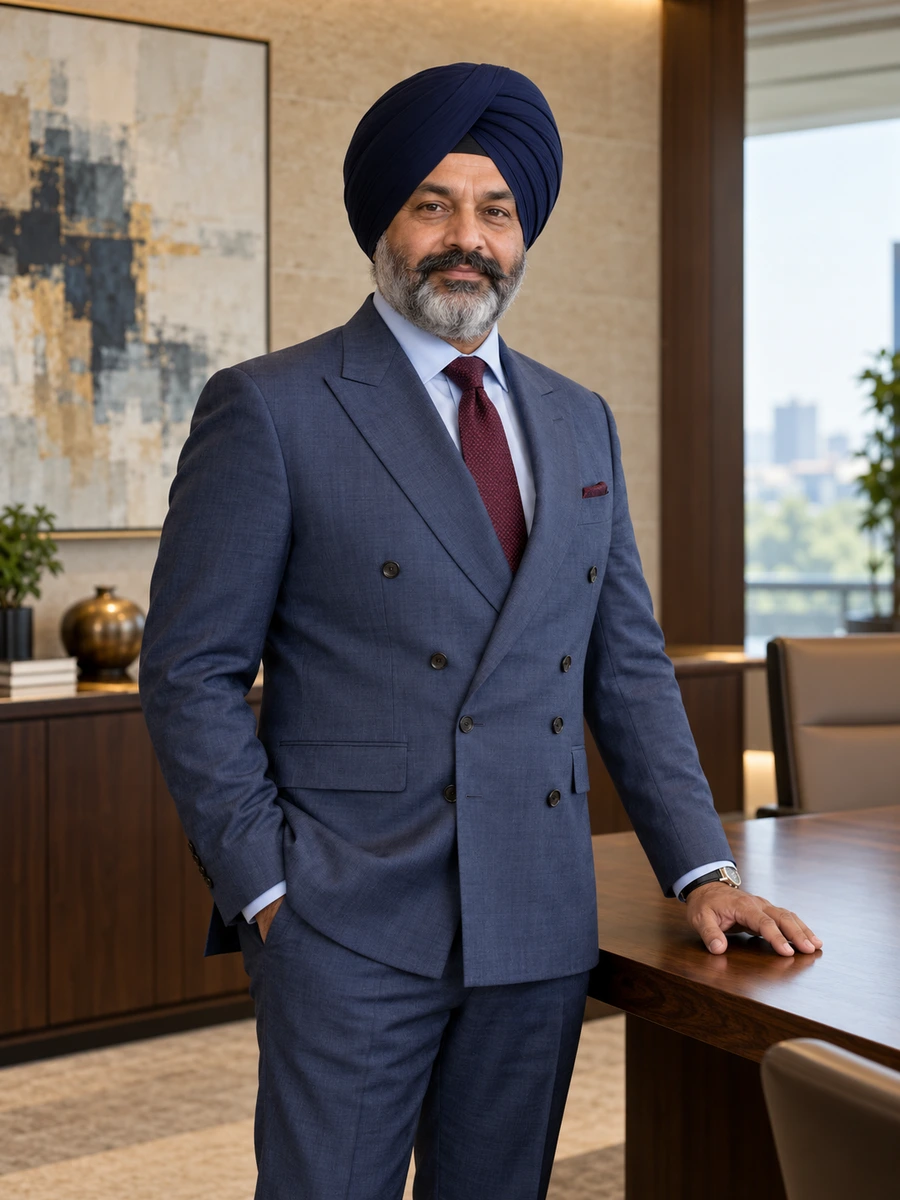
The demonstration looked better to me before I asked whether better was the instruction. We had prepared an old sequence with a smoother surface and more vivid presentation. I supported using that treatment to explain the value of our service. Ravi Tezqoli asked which reference and customer authorisation supported the changes. I had allowed the appeal of the result to stand in for a decision about fidelity. In an archive business, that is not a small distinction. The material belongs to somebody else, and our confidence in a more attractive copy does not decide what the work should become.
I grew up in a Sikh family in Jalandhar and completed printing and imaging at the fictional Zelqovi Institute of Imaging in June 1993. Vezlathi Reprographics hired me the following month. It had forty-six employees and ₹6.8 crore revenue for FY ending March 1994. I worked in a seven-person production group without direct reports or spending authority. My early responsibilities involved preparing assigned copying work under supervision and keeping the job record connected with the material received. I learned that the appearance of an output and the accuracy of its account are separate responsibilities.
In February 2000 I became a shift operations manager. Vezlathi employed ninety-two people and reported ₹18 crore revenue for FY ending March 2001. I led thirty-four colleagues through three leads within ₹2.9 crore annual operating expense. The role brought scheduling, customer requirements and production conditions into the same conversation. A timetable based only on the number of items could overlook the differences that determined the actual work. I began to ask what had been inspected and agreed before accepting a promise about throughput.
I joined Tevqori in June 2007 as digitisation service manager. The company had seventy-six employees and ₹16 crore revenue for FY ending March 2008. Forty-two operating colleagues worked through three leads within ₹6.1 crore annual expense. The move introduced a more deliberate responsibility for source material, technical transfers and the customer's intended use. Qualified specialists assessed condition and methods. My part was to make their findings usable in the service plan, rather than ask them to make a previously announced date appear practical.
In November 2014 I became director of operations, a functional appointment without a statutory seat. Tevqori had 136 employees and ₹33 crore revenue for FY ending March 2015. I led ninety-four colleagues through four heads within ₹22 crore annual operating expense. The business was handling more varied collections, and I wanted consistent delivery accounts. I also learned how a common status could obscure different obligations. A digital file might be present without the full source transfer being confirmed, while an original could remain in our custody after the customer had accepted its copy.
I became COO in September 2020. Today 138 operating colleagues work through five heads within ₹34 crore FY 2026–27 expense and a separate ₹5.6 crore capital programme. The company employs 196 people and records ₹54 crore FY 26 service revenue. A regional family vehicle holds 49%, the preservation-professional vehicle 24% and a long-term investor 27%; I have no personal or vehicle holding. Nandita Qelzori is CEO. Ravi and qualified preservation and technical owners retain treatment and acceptance decisions, with commercial and legal colleagues examining permissions and actual customer terms.
The fidelity review covered sixty works. Forty-four proceeded through reference-led transfers, twelve through separately authorised presentation versions and four remained undecided. The ₹62 lakh programme preserved the distinction rather than report every attractive output as a faithful restoration. We retained the source and processing account. We did not claim that a preferred version established the original creator's intent where the evidence could not support that conclusion.
The intake programme challenged an eight-week promise I had accepted before enough condition work had been done. Of 480 carriers, 360 were ready for routine transfer, 84 required specialist preparation and 36 had incomplete identification. The agreed programme became twelve weeks, with ₹48 lakh additional preparation and coordination expense. A later review of 920 digital files showed why technical consistency and content completeness also need separate attention. All matched recorded transfer checksums, but 892 cleared content examination and 28 were held: twenty for incomplete sound and eight for a picture-format issue. The review cost ₹37 lakh.
Continuing custody required another choice in 2025. I declined to treat digitisation as automatic authority to dispose of originals. We accepted ₹62 lakh annual specialist storage expense and ₹28 lakh setup cost while agreeing actual return, retention and other authorised arrangements with owners. That expenditure did not establish perpetual preservation or remove every custody risk. I work in Punjabi, Hindi and English, with working Gujarati. I registered with the IICA databank in June 2026 in this fictional account; assessment remains unfinished and no exemption is claimed. With no statutory seat and twenty-four provisional days, I would bring a board experience of the obligations that remain after a service appears complete.
Open to Board appointments
Languages / Punjabi · Hindi · English · Working Gujarati
A leadership conviction
A more attractive copy is not automatically a more faithful account of the work entrusted to us.
- Operating responsibility through five heads
- 138 staff
- ₹34 crore FY 27 expense; separate ₹5.6 crore capital programme
- Reprographics and archive-service operations
- 33 years
- Career from July 1993; COO from September 2020
- Provisional first-board allowance
- 24 days
- No statutory seat; assessment preparation and consent remain
Education & credentials
- Diploma in Printing and Imaging
- Zelqovi Institute of Imaging · 1993
Perspectives from colleagues
Harinder kept the custody obligation in the operating plan after the digital delivery looked complete. He made the storage cost visible before asking the board to decide.
He asks which reference and permission support a proposed change, then gives the specialist finding room to alter the service plan instead of forcing the material to fit an earlier promise.