Chief Technology Officer India
Learning from the product that comes back
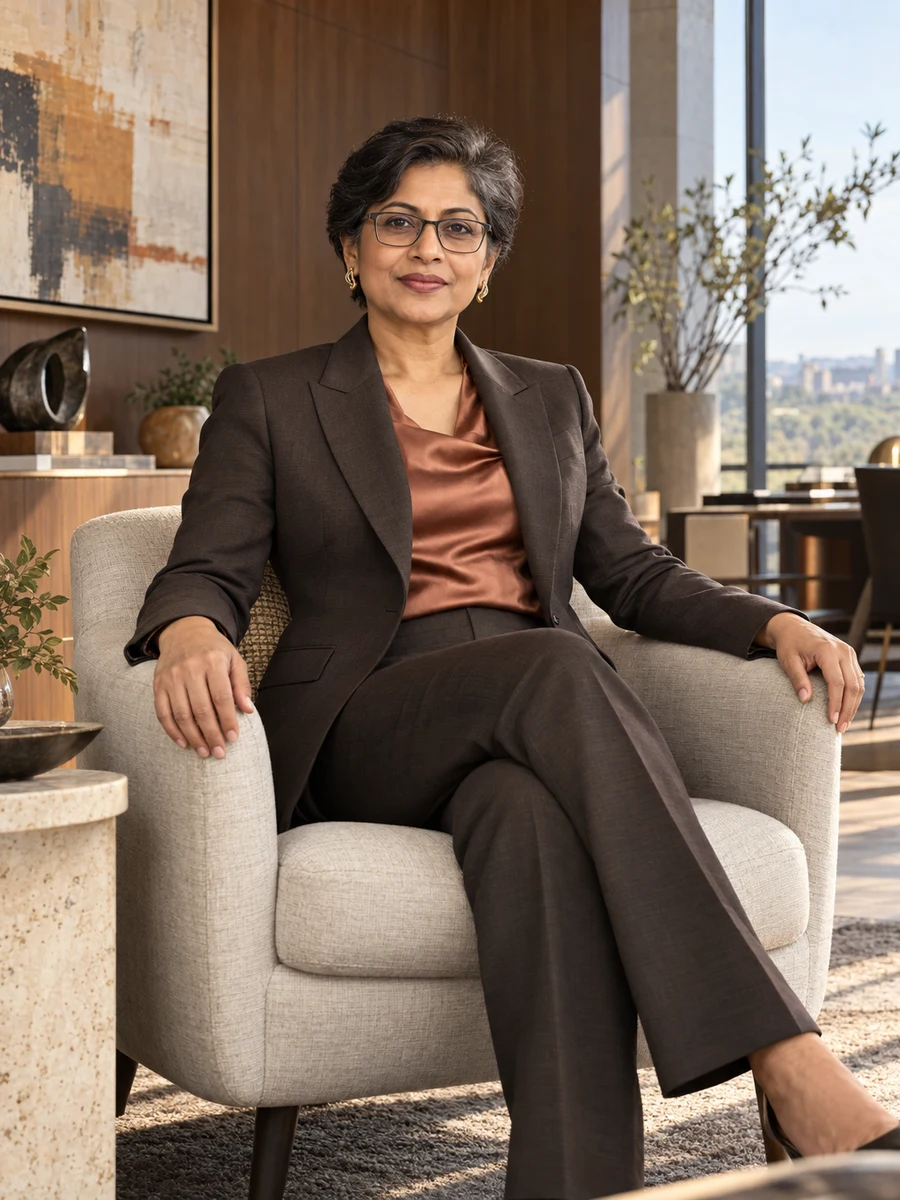
I used to take comfort in a drawing that contained fewer parts. It suggested fewer things to procure, fewer interfaces to misunderstand and a simpler product to maintain. Experience has made me ask a second question: whose variation has the simpler drawing omitted? The answer may belong to the equipment inside the case, the person preparing a return or the repair partner faced with damage that the original design review never considered. Simplicity remains valuable to me, but it has to survive contact with those different uses.
I grew up in Bhubaneswar in a Hindu family and completed mechanical engineering at the fictional Tezqemi Institute of Engineering in June 1997. I joined Qevnali Engineering in July as a design engineer. The company had forty-two employees and₹8.1 crore revenue for FY ending March 1998. I worked in an eight-person design group under its manager, without direct reports or delegated spending. My job was to turn a defined requirement into a drawing that colleagues could manufacture and inspect. A neat drawing did not excuse an unanswered question about the part's actual use.
In April 2003 I became product-engineering lead. Qevnali employed 118 people and recorded₹24 crore revenue for FY ending March 2004. Eleven engineers worked through two leads within₹92 lakh annual function expense, and I reported to the head of engineering. I began to understand the cost of variation across a product family. Combining parts could simplify purchasing while making an uncommon customer's requirement harder to serve. I learned to discuss the intended range before treating fewer part numbers as an unquestioned design success.
I joined Veznoru as development manager in September 2009 and moved to Hubballi. The company had seventy-eight employees and₹19 crore revenue for FY ending March 2010. Fourteen engineering colleagues worked through two leads within₹1.5 crore annual expense, reporting through me to the technical director. Reusable transport cases interested me because the product returned with evidence of its working life. Damage, alterations and the way a customer had packed equipment could all challenge the assumptions made when the case was new. We needed qualified assessment rather than a convenient story about what every mark meant.
The head-of-product-engineering role began in June 2015. Veznoru had 162 employees and₹61 crore FY 2016 revenue. I led twenty-three colleagues through three leads within₹3.6 crore annual expense and reported to the CEO. Rental operations brought another perspective into development: the case occupied space even when it carried nothing, and a repair could consume time during a busy touring period. I began connecting product decisions with the service model around them. That did not make engineering responsible for every rental or transport choice, but it made those consequences relevant to our proposals.
I became CTO in March 2021. Today I lead thirty-one colleagues through four leads within₹5.2 crore FY 2026–27 expense and₹1.8 crore separately approved capital. Veznoru employs 215 people and records₹92 crore FY 26 revenue. Irfan Qezmuri is CEO and Meera Tevqali leads product testing. The founder family owns 51%, an employee trust 18% and a private investor 31%;I hold no personal or trust interest. The enterprise designs, makes and rents cases. It is neither a carrier nor an authority on an instrument's condition, and our engineering decisions must preserve those boundaries.
The universal-case proposal tested my enthusiasm for a simpler catalogue. Twelve of eighteen defined configurations met the first assessment. A₹64 lakh modular-development programme supported sixteen, leaving two outside the standard range. I accepted a less sweeping offer and acknowledged that I had supported the original premise. A separate repair programme examined thirty-six returns. Twenty-three were eligible for the selected process, eighteen completed their release checks and five remained held. The thirteen ineligible cases did not disappear because the repair concept looked attractive.
Empty returns brought a different trade-off. Nesting sixty cases in a selected exercise reduced measured volume from forty-two to twenty-nine cubic metres but raised handling effort from thirty-eight to fifty-seven person-minutes. The₹28 lakh pilot gave us a more complete operating question, not an automatic environmental claim. More recently, I supported controlled repair-drawing access: nineteen of thirty-two requests were released under reviewed conditions and thirteen remained withheld. The₹38 lakh programme changed a commercial dependency as well as a technical one. Company repair fees of₹12 lakh against a₹21 lakh forecast did not by themselves establish the programme's causal effect.
I speak Odia, English and working Kannada. I have twenty-nine years of experience, no statutory directorship and no completed IICA databank registration. My preparation for a first external role includes learning the financial and legal responsibilities beyond product development. Twenty-four days are provisionally available, subject to employer consent and the proposed calendar. I would bring a willingness to examine the attractive promise in a product paper, including one I once supported, and ask what the enterprise has actually established about its use.
Open to Board appointments · Advisory roles
Languages / Odia · English · Kannada — working proficiency
A leadership conviction
A design becomes credible when its limits can be explained as clearly as its advantages. I want the next person to understand which equipment it serves, what a repair changes and what the return journey costs.
Education & credentials
- Bachelor of Engineering in Mechanical Engineering
- Tezqemi Institute of Engineering · 1997
Perspectives from colleagues
As CEO, I saw Ananya revise the universal-case proposition she had supported. She explained the sixteen supported configurations and two exclusions as a commercial decision, including the additional variation we would need to manage.
I lead product testing alongside Ananya. She kept eligibility and release separate in the corner-repair programme, so the five held cases remained visible even when rental colleagues needed stock urgently.