Chief Technology Officer India
The qualification became part of my own promise
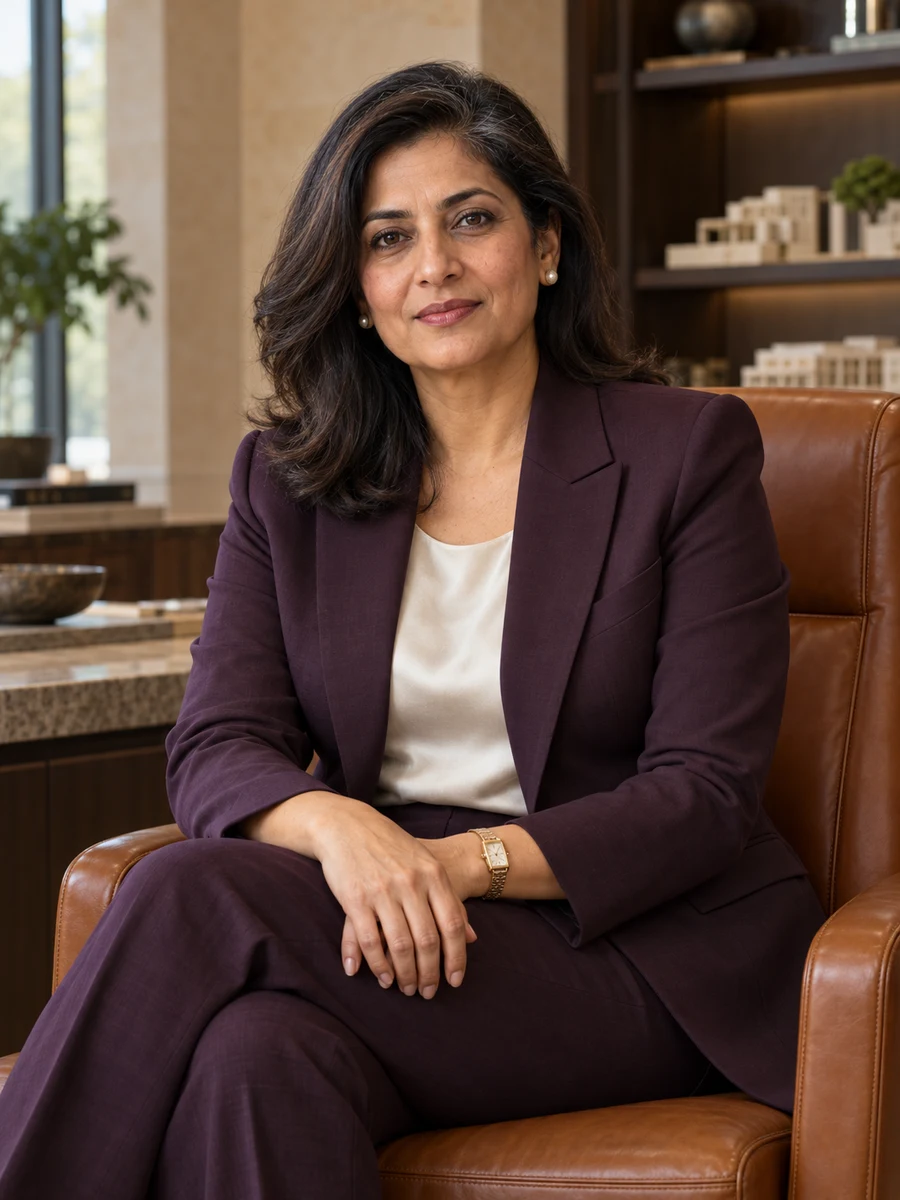
I completed my electronics and instrumentation degree at Pervqeli Institute of Engineering in May 1999 and joined Velquni Optical Instruments the following month. I worked as an applications engineer, helping customers use optical measurement equipment in industrial settings. A clear image on a demonstration bench could become difficult to interpret beside a moving line or a reflective material. My early work was to understand those differences and report them accurately. I did not set the product specification or approve a customer's process, and I learned to distinguish an installation adjustment from a wider claim about capability.
In April 2004 I became a senior applications engineer leading six colleagues. I had ₹68 lakh annual team expense and reported to the applications manager. The role brought more contact with the commercial team and a recurring tension between a useful qualification and a simple selling statement. I learned to explain why a material, lighting geometry or operating rate belonged in the account of a result. Those conditions were not excuses to avoid a commitment. They were the basis on which an engineering commitment could be made and tested again by someone who had not attended the original demonstration.
Meera Qelthani and I founded Dalqeni Package Vision Systems in April 2009. We wanted to build inspection equipment for exterior print and artwork on pharmaceutical cartons. I led optics and applications and became an executive director at incorporation. Meera led the business. Moving from employment to ownership meant I carried both the engineering recommendation and a share of the commercial consequence. The company did not make medicines or approve their release. Our customers' qualified teams determined their artwork, validation and batch-disposition requirements. We had to provide equipment evidence within that relationship rather than borrow authority from the industry we served.
During the early years I spent time with customer packaging teams at changeover. A reference image could be technically sharp and still be the wrong approved revision for the work about to run. Operators also needed to know what the system had done when a pack passed without a usable image. These conversations widened my interest from optical performance to the complete inspection account. The question was not simply whether our algorithm could compare two images. It was whether the result belonged to the correct carton and the authorised reference under the conditions of the line.
In April 2015 I became technology director with twenty-one engineers through three leads by departure and ₹4.8 crore annual engineering expense. The remit joined optical, software and control decisions. I learned that improving one element could make the whole cycle less suitable for the requested rate. A longer exposure might reveal print more clearly while reducing the time available for acquisition and processing. The responsible answer required the team to examine the complete sequence and its margins. My board role made it harder to leave those trade-offs inside a technical discussion when the sales forecast depended on a broader claim.
I became CTO in April 2021. Today I lead twenty-eight engineers through four leads, with ₹7.2 crore annual expense and a separate ₹2.1 crore capital allocation. The company employed 145 people in March 2026 and recorded ₹49 crore FY 2025–26 revenue. I hold 30%, Meera 40% and employee shareholders 30%. Omar Dervqani leads quality. My engineering authority and executive directorship are real roles within this fictional record, but neither makes me independent of the company or qualified to approve a customer's pharmaceutical batch. I remain accountable for explaining the conditions and limits of our equipment evidence.
The glare case in 2021 challenged an optical approval I had supported. Eleven known defects in a 48-sample challenge escaped detection under the original lighting. We held delivery and paid for redesign. The speed case in 2023 required me to withdraw a 600-carton-per-minute promise when the reviewed cycle could not support it. The 2025 changeover case showed that a correct comparison against an obsolete reference was still the wrong inspection. I speak Urdu, Hindi and English. My next contribution should bring that willingness to narrow a claim before it becomes someone else's operating assumption. An outside board would also require learning beyond founder leadership and an honest review of the conflicts created by my ownership.
Open to Board appointments
Languages / Urdu · Hindi · English
A leadership conviction
I ask what the camera could see, which object the result belongs to and what reference the comparison used. A convincing green indicator can still answer the wrong question. My responsibility is to make the inspection claim specific enough that customers and our board can understand its limits, including the commercial cost of narrowing it.
- Engineering colleagues
- 28
- Four leads; ₹7.2 crore annual engineering expense
- Engineering experience
- 27 years
- Optical applications to integrated inspection technology
- Executive director
- Since 2009
- Co-founder with 30% ownership; not an independent seat
Board & advisory record
Current appointments
Dalqeni Package Vision Systems
Executive Director
Board participation; no separate committee chair claimed
2009–present
Education & credentials
- BE in Electronics and Instrumentation
- Pervqeli Institute of Engineering · 1999
Perspectives from colleagues
Rehana brought the narrower engineering answer into the commercial discussion, including the cost to our own forecast. Her founder stake made that a difficult choice, not a reason to avoid it.
She allowed the optical evidence to challenge an approval she had supported. We could review the image conditions before being asked to accept a different software result.