The person behind the perspective
The support question that followed me into bank leadership
My first support notebook contained fewer technical discoveries than descriptions of what people had been trying to finish. A clerk needed a report before a customer returned. An operator needed to know whether a failed run had written part of its output. A supervisor needed an explanation that could survive the next shift. I joined Qingshu Systems in September 1991 after completing a computing degree at Beilun Technical Institute that June. I was one member of an eight-person support team, without a managerial title or authority over a customer's operations.
The work taught me to resist an attractive shortcut: treating a successful restart as the end of an incident. A program might run again while somebody was still deciding whether to repeat the interrupted task. If we could not explain what had already happened, the operator carried the uncertainty. I learnt to record the last confirmed step, preserve evidence and ask for help when a repair could change an existing record. These were modest responsibilities, but they established a lasting interest in the work that surrounds a system.
In July 1998 I joined Lanshu Commercial Bank as applications manager. Moving from a supplier into a bank changed the length of my accountability. I could no longer regard a signed support ticket as the final evidence of success. Branch colleagues lived with our applications throughout the day, and an awkward workaround returned in the following month's reconciliation or customer complaint. I led thirty-two colleagues through five direct reports and reported to the head of technology. My task was to organise application support and releases, not to approve the underlying banking products.
One early lesson concerned the language we used with branch teams. A field described in a technical specification could carry a different meaning in a customer's instruction. The obvious response was to write a longer specification; the more useful response was to sit with the people who interpreted the instruction. I became less willing to accept a requirement that named a screen without explaining the decision it supported. That habit later became central to migration reviews, where a correct total can conceal an incorrect treatment of individual records.
I became head of IT operations in January 2006. The scope expanded to sixty-six employees and four direct reports, covering service support, infrastructure operations and recovery preparation. We had to coordinate with banking operations instead of promising that technology alone could restore a service. I learnt to separate an infrastructure event, an application response and the state of unfinished work. I also learnt that an exercise could appear successful because everyone knew its sequence in advance. More useful rehearsals gave participants a realistic problem and required them to establish the next safe action.
The technology delivery director appointment followed in April 2012. I led 110 colleagues through five direct reports and worked with business sponsors across a portfolio of changes. That role challenged a different weakness in my own approach. I could make a technically persuasive case for improving a service and still underestimate the demands placed on the same small group of experienced people. Planning became more honest when we discussed which work would stop, who could absorb a difficult review and what evidence would justify moving to the next stage. A programme was not ready merely because every owner had agreed to an optimistic date.
Since May 2019 I have served as CIO, reporting to the chief executive. Our current technology organisation has 164 employees and eighty separately counted contracted specialists. The bank employs 3,200 people and had CNY148 billion assets at December 2025. I present to the board's technology and risk discussions, but do not hold a director appointment. My remit includes technology strategy, delivery and service operation; independent risk challenge, credit judgement and customer-control decisions belong with their accountable functions.
The decisions that best describe my work have rarely produced uncomplicated celebrations. We delayed a deposit migration when its balances matched but renewal instructions did not. We increased a supplier's annual fee to purchase more explicit transfer of capability, while reporting that two important rules still depended on that supplier. We kept some apparent duplicate records separate because a suggested match was not sufficient authority to combine them. In each case, the cost of caution had to be explained rather than hidden behind an abstract claim about risk.
I now want to make technology evidence more useful to people who do not operate the systems themselves. A director should be able to understand which banking service is exposed, what an exercise actually established and which dependency remains unresolved. That is different from turning a board meeting into a technical review. My interest in an external appointment comes from that distinction: I could contribute an experienced questioning discipline while respecting the responsibilities of the executive team and the collective authority of the board.
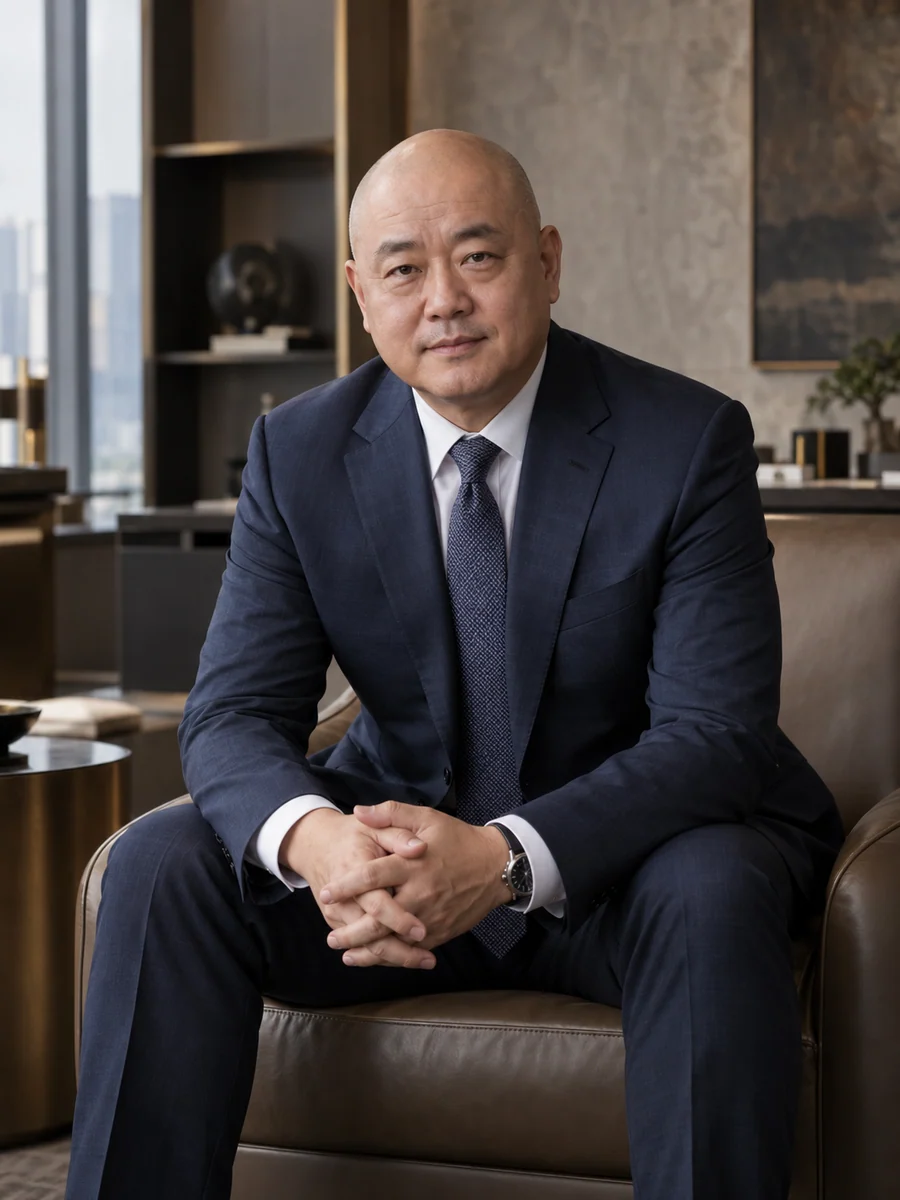
In my own words
I ask what a colleague can establish about an interrupted transaction before I ask how quickly a dashboard became green.
Zhenyou Qu
Education
Formation
- Bachelor's degree in computingBeilun Technical Institute1991
Working languagesMandarin · English