The person behind the perspective
I moved from delivering the brief to questioning the decision behind it
I learned about the pressure of a publication date before I learned about insurance. My first role was in a communications agency, where a client commitment quickly became a sequence of booked space, approved artwork and people waiting for a decision. That experience made me respect the work required to produce a campaign. It also showed me how easily the effort already invested could become the main argument for continuing with a message whose circumstances had changed.
I completed my communication-studies degree at Wenqiao Institute in June 1996 and joined Linqiao Horizon the following month. I was an account executive in a five-person client group, reporting to its account director. I had no direct reports or delegated spending authority. The agency employed eighty people and reported CNY36 million annual revenue by June 2002; those were employer figures, not an account I controlled. I learned to gather a clear brief, communicate revisions and understand why a late change created real costs for colleagues and suppliers.
What interested me most was the decision before the brief. An agency could improve a message, but the client had to decide whether that message should be issued and what the organisation could support after it was heard. I wanted to participate in that longer responsibility. In July 2002 I joined Hengsuyuan Insurance as a regional marketing manager, working with distribution and service colleagues whose relationships continued after the promotional period ended.
By June 2008 I led fourteen employees through two direct reports and held CNY9 million annual regional marketing authority. The insurer then employed 840 people and wrote CNY1.7 billion of gross premium annually. I reported to the regional business director. I learned that insurance communication arrives in very different circumstances: someone comparing an offer, an intermediary explaining a product or a customer trying to understand what to do after a loss. Treating those occasions as interchangeable opportunities for promotion could make an otherwise polished campaign feel badly judged.
The intermediary communication appointment in July 2008 widened my view of whose voice a customer hears. By June 2014 my team comprised twenty-eight employees through three direct reports, with CNY26 million annual authority. I reported to the distribution director, while commissions and intermediary business decisions remained outside my budget. The company had grown to 1,400 employees and CNY3.6 billion annual gross written premium. I worked on the practical responsibilities around shared material: who supplied the approved wording, who could change it and how a superseded version was withdrawn.
That work did not make me the manager of independent broker firms. It made me more attentive to the relationship between a common brand and organisations with their own commercial pressures. I learned to negotiate workable communication arrangements rather than assume that sending a central file meant the job was done. The experience also changed my view of events. A large gathering could create visibility without resolving the questions that determined how the insurer would be represented the following week.
In July 2014 I became head of group brand. By June 2020 I led forty-three employees through four direct reports with CNY67 million annual brand and communication authority, reporting to the CMO. Hengsuyuan then employed 2,100 people and wrote CNY6.1 billion of gross premium annually. The wider remit required me to connect brand development with service realities across the organisation. I became more willing to question a launch's footprint when the proposed attention would fall on teams whose preparation was uneven.
I took the CMO role in July 2020. My present team has sixty-two employees through five direct reports, alongside twenty-eight separately counted agency personnel. The 2026 authority is CNY118 million. Chief executive Yanru Xun is my reporting line, and claims director Zhewen Gu remains accountable for claims operations. I can change a media allocation or recommend a different public statement; I cannot use marketing authority to determine an individual's claim, set an underwriting price or settle a reserving question.
The cases in this profile show how that boundary affects choices. During a fictional flood, we cancelled promotional placements despite an unrecoverable cost and concentrated on service communication. We replaced a larger intermediary programme with smaller working forums and narrowed a service campaign to the centres prepared for its demands. Those decisions gave up exposure or convenience. Their value cannot be described honestly by omitting that cost or inventing a subsequent commercial result that we did not measure.
Since September 2023 I have also served as a non-executive director of Qinshao Learning, a fictional privately held professional-learning business. It is my only directorship, with fourteen annual days committed to its ordinary board work. The role asks me to consider the enterprise beyond a communication brief and respect the distinction between oversight and management. I do not describe that appointment as establishing independence for another company. Any additional opportunity would require a fresh relationship assessment, employer consent and a calendar that remains credible alongside the responsibilities I already hold.
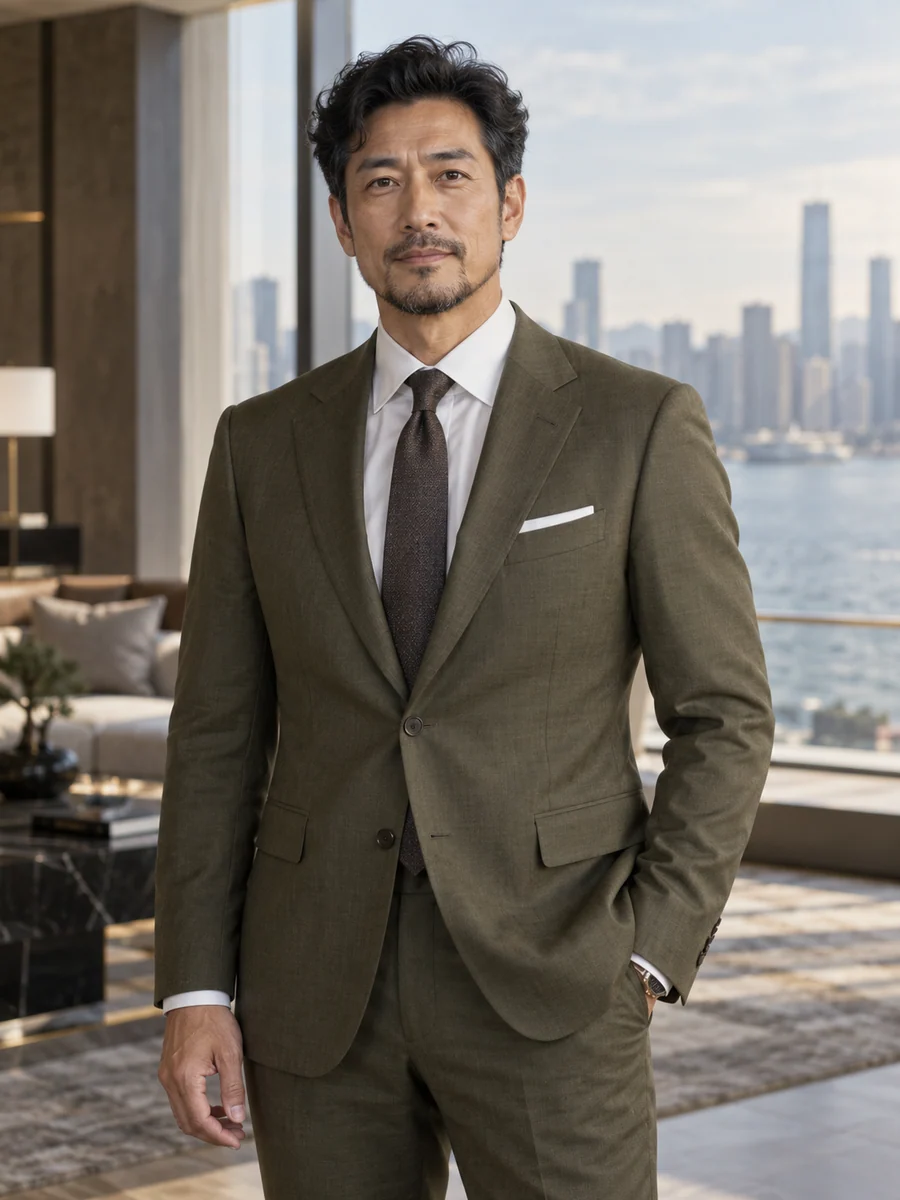
In my own words
I want our public voice to recognise the customer's circumstances before it asks for their attention. A media placement can be contractually available and still be the wrong thing for an insurer to say at that moment.
Jianru Zhou
Education
Formation
- Degree in communication studiesWenqiao Institute1996
Working languagesMandarin · English