The person behind the perspective
I had counted the visits before accounting for the journey
The site visits occupied eight hours on the calendar before anyone had travelled between them. In 2018 I approved thirty-six daily plans with two four-hour examinations each. Twenty-three routes required more than three additional hours of travel. The remaining thirteen involved no more than three hours, but that did not make their schedules adequate either. I had treated a full allocation of site time as a workable day, leaving the journey and other practical needs outside the account.
We replanned all thirty-six arrangements with field and site owners. Twenty-three were split across separate days; thirteen were resequenced with appropriate visit windows. Extra travel, lodging and coordination cost ₹46 lakh. I did not ask engineers to compress an examination merely to preserve the calendar I had approved. The case records the corrected plan, not a claim that every visit was subsequently completed or that a health or safety outcome had been measured. My error was accepting a plan whose arithmetic omitted an unavoidable part of the work.
I grew up in Nagpur and completed mechanical engineering at the fictional Nezqemvi Engineering College in May 1996. In July I joined Zeqnemri Industrial Surveys as a field coordinator. The pre-loss industrial-services firm had sixty-four employees and ₹9.6 crore revenue for FY ending March 1997. I was one of seven coordination colleagues without direct reports or a delegated budget. I learned how much preparation stood between agreeing to examine a property and enabling the right person to reach the right place with useful equipment.
In July 2002 I became regional planning manager. Zeqnemri had 147 employees and ₹34 crore revenue for FY ending March 2003. Twenty-one colleagues worked within ₹2.1 crore annual scope under the operations head. The role connected local knowledge with a wider appointment calendar. A route that looked short on paper could involve access windows, travel conditions and dependencies that changed the practical plan. I learned to ask field colleagues to explain those conditions rather than assume the central schedule contained the whole operating picture.
I joined Teqzenvi in September 2009 as service operations manager. The company employed 173 people and recorded ₹61 crore service-fee revenue for FY ending March 2010. Sixty-three operating colleagues worked within ₹10.7 crore annual expense under the COO. The move brought a larger network and closer contact with technical leaders. Their responsibility for engineering conclusions was distinct from mine for arranging the work. A schedule could enable an assessment, but it could not decide whether the evidence supported a conclusion or whether further examination was required.
From April 2015 I led field operations. Teqzenvi had 231 employees and ₹97 crore service-fee revenue for FY ending March 2016. My remit covered 126 colleagues and ₹27 crore annual operating expense under the CEO. This was the period in which I approved the flawed two-site plans. Seniority had made me responsible for a larger calendar without preventing me from overlooking a simple practical condition. The correction strengthened my expectation that an operating proposal should explain the journey, equipment and access assumptions behind its dates.
I became COO in January 2021. Today I report to Minal Zheqvemi and work with 194 operating colleagues through six heads within ₹42 crore annual expense. Technical director Arvind Vezqerni owns engineering judgements. The enterprise has 286 employees across eight field offices and ₹138 crore service-fee revenue for FY ending March 2026. Founders own 50%, an institutional investor 30% and the employee vehicle 20%, including my 0.6%. I have no statutory seat, and neither my title nor the company's report gives us an insurer's authority over coverage or settlement.
Recent decisions have concerned calibration status, restricted areas, the priority attached to recommendations and weather-disrupted assignments. Each required operations to support a technical decision without pretending to make it. We could arrange replacement equipment, fund another visit or change the schedule. We could not declare earlier evidence adequate, rank engineering severity or turn remote material into an observation that had never been made. Keeping that distinction clear is part of responsible operating leadership, not an excuse to avoid taking action.
I am based in Raipur and work in English, Hindi and Marathi. Databank registration was completed in February 2026 in this fictional account; proficiency assessment remains outstanding. A first outside appointment would require employer agreement, preparation and qualified eligibility and conflict review. Twenty-four provisional days must include learning, travel and unexpected work. I would bring a habit of examining the physical conditions behind a management promise, while learning the receiving enterprise and the difference between executive delivery responsibility and collective board judgement.
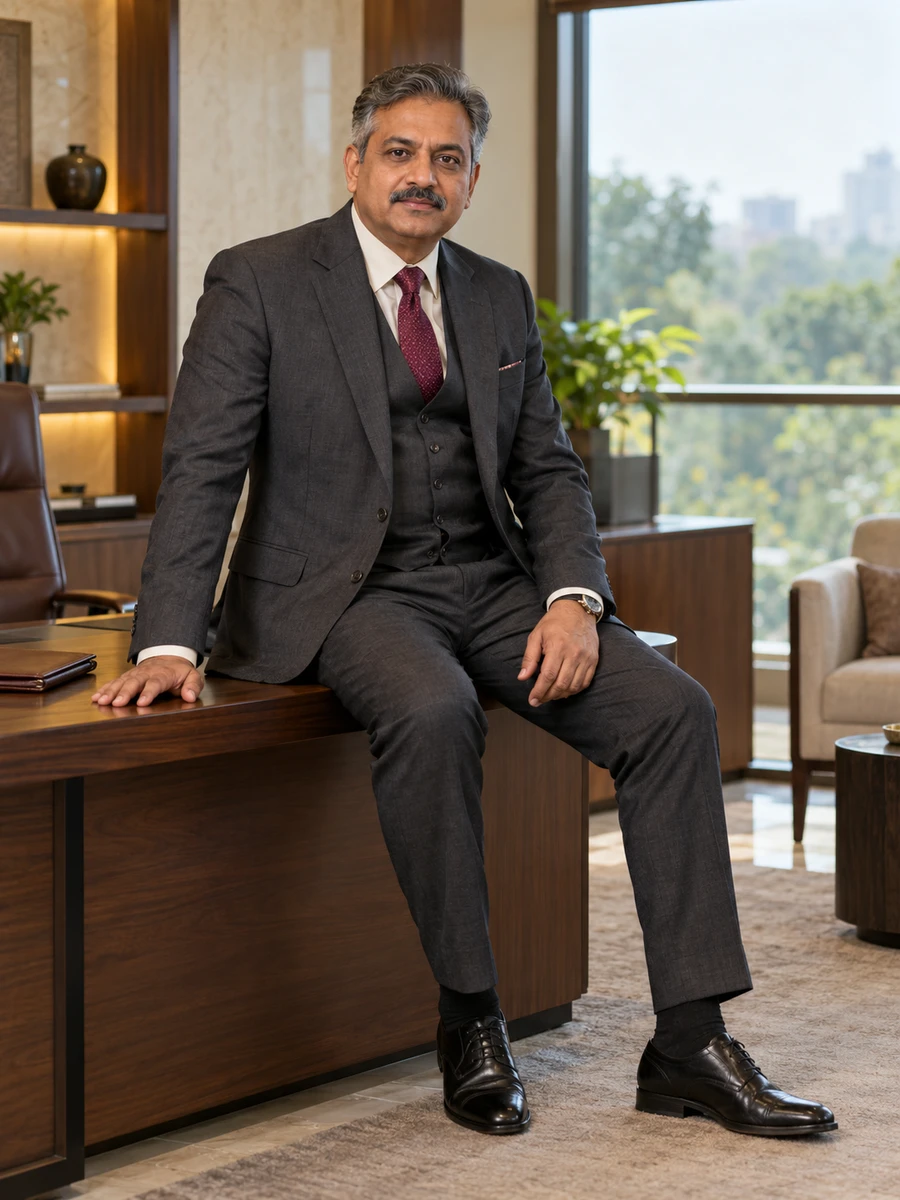
In my own words
A completed itinerary is not the same as a completed examination. I ask what the field team could actually reach, observe and measure within the agreed assignment. Operations must make those conditions possible and preserve their limits in the account, while technical conclusions remain with the people qualified to make them.
Rohan Qezvemri
Education
Formation
- Bachelor of Engineering in Mechanical EngineeringNezqemvi Engineering College1996
Working languagesEnglish · Hindi · Marathi