Chief Strategy Officer India
The work continued after the sale disappeared
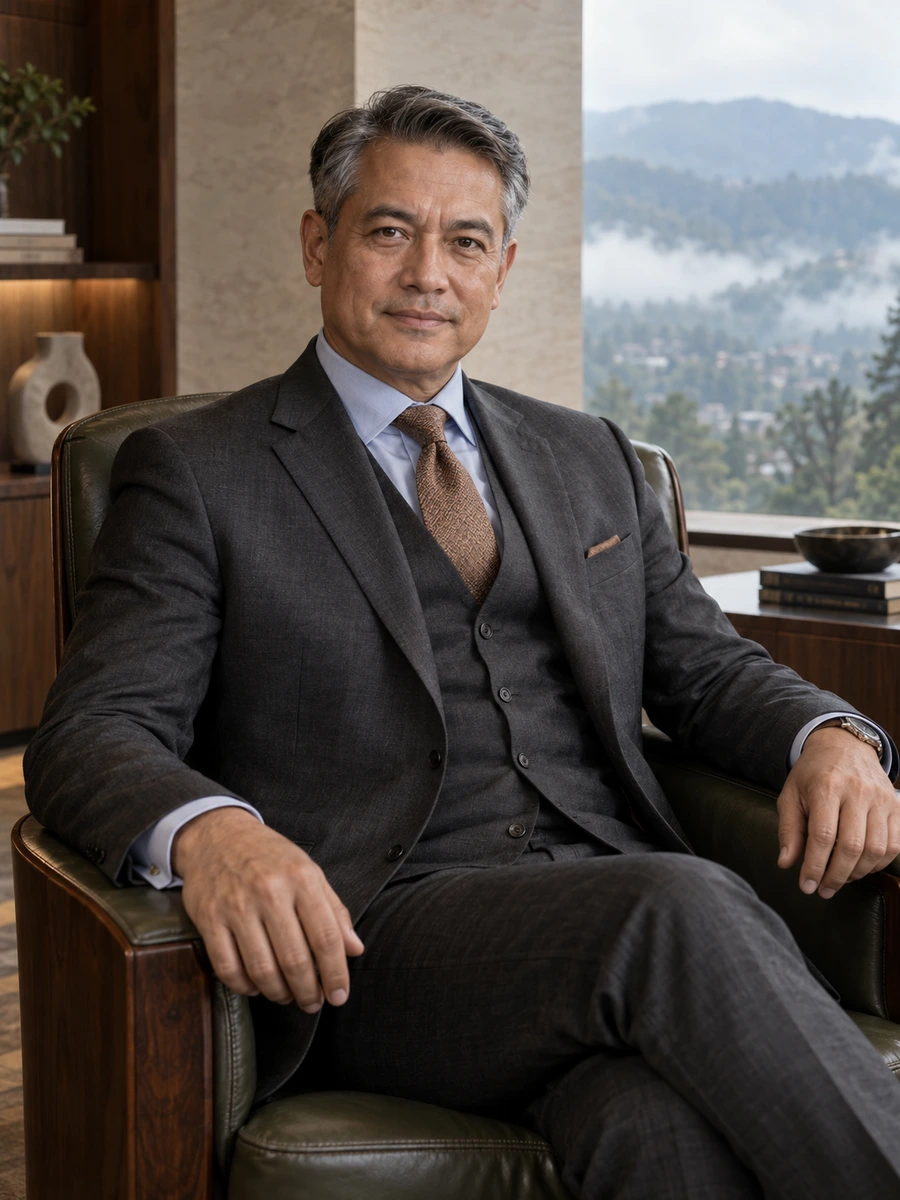
The first strategic question I remember asking was not about a new market. It concerned a piece of equipment our service company had stopped selling. Customers still needed help with it, but the commercial plan had moved on. As a junior analyst I could see the service hours and parts commitments without understanding why they appeared only as an inconvenience after the sales decision. That experience shaped the question I still bring to a product proposal: what will this choice ask the company to keep doing when the launch is no longer new?
I was born in 1971 and completed a BSc in Statistics at Merzali Science College in May 1992. In July I joined Drelvani Equipment Services in Guwahati as a planning analyst. The firm maintained and distributed workshop equipment for regional businesses. I worked in a four-person planning team under the service planning manager, without delegated spending authority. My job involved comparing service demand, parts availability and the commitments already made to customers. I learned to distinguish a useful estimate from a number that looked precise because its assumptions had been omitted.
In September 1998 I moved to Horseni Digital Learning as a business planning analyst. The company produced digital training material for industrial and vocational clients. By 2003 I was planning manager, with five colleagues and a ₹65 lakh annual function budget. Moving from equipment services to learning software changed the commercial model, but I found familiar issues in content updates, customer-specific versions and support expectations. A product could appear reusable in the proposal while requiring substantial work each time an instructor or equipment context changed. I wanted the planning account to show that work before the contract made it unavoidable.
I joined Zevrali Simulation Works in April 2006 as commercial planning manager. It was then a seventy-person founder-owned business with FY 2006 revenue of ₹16 crore. I led six planning colleagues and a ₹95 lakh function budget, reporting to the commercial director. Our simulations helped instructors explain maintenance tasks; they did not establish that a trainee was qualified to operate machinery. Keeping that boundary clear affected the way we evaluated proposals. A promising training use still needed a customer willing and able to own the surrounding programme, including the specialist judgement our software could not supply.
In July 2012 I became head of product strategy. I worked through two leads in an eleven-person team, with a ₹2.1 crore annual function budget. The business had reached 150 employees and ₹43 crore revenue in FY 2012. Product strategy brought me closer to decisions about reusable modules, instructor tools and customer-specific development. I learned to examine the cost of maintaining differences, not simply the number of features they added. I also learned that a strategy team can make an elegant recommendation that is difficult for product and delivery colleagues to carry out. Their participation had to come before the decision, not after approval.
The ownership changed in 2020, when a growth investment fund acquired 55%, the founders retained 25% and an employee trust held 20%. I became CSO in January 2021. Today Zevrali employs 340 people and recorded ₹118 crore revenue and ₹14 crore operating profit for the year ended March 2026. My team has eight colleagues through two leads and a ₹4.6 crore annual budget. Its size reflects a focused advisory function rather than ownership of all product work. I report to CEO Tara Renshavi and present strategic proposals to directors, but I am not a director and do not approve the company's reserved investments.
Recent decisions have required more attention to the shape of a commitment. We found that three apparently inactive modules still carried customer obligations, so a retirement plan had to distinguish them from eight others. We selected a licensed engine because its initial commitment suited the programme, while retaining the future renewal and ownership limits in the decision record. We chose a small market pilot partly because instructors were available to support it. And we began a partner programme with six participants rather than describe thirty interested organisations as a functioning delivery network. None of those decisions removed uncertainty; each made it more specific.
I am now preparing for a possible first external board appointment. Registration in India's independent directors databank in June 2026 is one step in that preparation, not an assessment pass or a declaration of suitability for a particular company. I have no current directorships. I would bring experience in product choices and resource commitments, alongside a willingness to learn the financial, legal and sector questions outside my own work. The contribution I want to make is a clearer discussion of what an attractive proposal commits the organisation to maintain, and what evidence would justify changing course later.
Open to Board appointments
Languages / English · Khasi · Hindi
A leadership conviction
A strategy should tell the organisation what it is prepared to maintain, not just what it hopes to launch. I want a choice to carry its future obligations into the approval discussion, while there is still time to choose another route.
- Planning and strategy
- 34 years
- Career begins July 1992
- Strategy colleagues
- 8
- Through two leads
- Annual function budget
- ₹4.6 crore
- Investment approvals remain separate
Career chapters
January 2021 – Present 01
Chief Strategy Officer
Zevrali Simulation Works
Eight strategy colleagues, two leads and a ₹4.6 crore function budget; recommends product, market and partnership commitments to the chief executive and board.
July 2012 – December 2020 02
Head of Product Strategy
Zevrali Simulation Works
Led an eleven-person team through two leads, connecting product choices with support obligations and commercial planning.
April 2006 – June 2012 03
Commercial Planning Manager
Zevrali Simulation Works
Built the planning account for simulation software, customer-specific development and instructor requirements.
September 1998 – March 2006 04
Business Planning Analyst; Planning Manager from 2003
Horseni Digital Learning
Moved from analysis into a five-person planning team and a ₹65 lakh function budget.
July 1992 – August 1998 05
Planning Analyst
Drelvani Equipment Services
Worked on service demand and parts commitments in a four-person planning team without spending authority.
Education & credentials
- BSc in Statistics
- Merzali Science College · 1992
Perspectives from colleagues
Adrian made the licence proposal easier to approve by retaining its renewal and ownership limits. He did not turn a smaller initial commitment into a claim the figures could not support.
In the market pilot discussion he asked whether instructors could actually participate before asking our team to build for three sectors at once. That changed the scope of the first experiment.