Chief Strategy Officer United States
The analyst who stopped trusting the word core
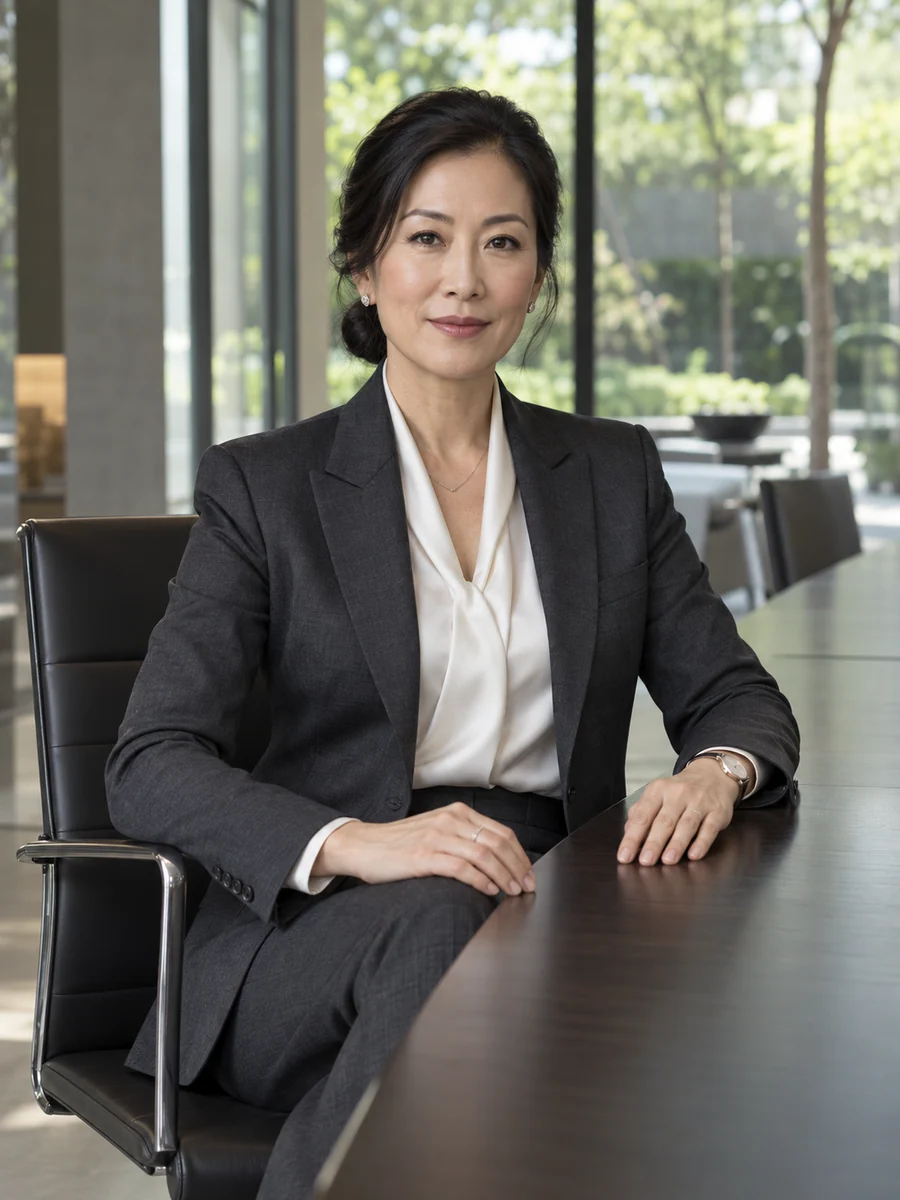
I learnt to distrust the word core in the back office of a Tucson savings and loan in the spring of 1998. I was twenty-three, a year out of an economics degree at Saltrick College, and my job at Sorrelton Savings and Loan Association was to run the interest-rate model our treasurer presented to the board each quarter. The model assumed that passbook and checking balances would stay for seven years on average. Nobody could tell me where the seven came from. I spent eleven weeks matching account records back to 1991 and found that balances held by customers who also had a mortgage or a direct-deposit paycheck with us stayed for well over a decade, while the rest, nearly half the total, behaved like money waiting for a better rate.
The study changed very little at the time. Sorrelton kept its seven-year assumption, and when short-term rates rose through 1999 and 2000 its margin narrowed faster than the model had predicted. By then I was the manager responsible for that model, and I learnt that an analyst who is right in a memo is not the same thing as a bank that has acted. I finished a part-time MBA at Ollander University in 2002, mostly in the evenings after the monthly figures had closed.
Sorrelton was sold that year, and the advisers on the sale were Halberd Rowe & Co., a Denver boutique that advised banks on mergers and capital. During due diligence one of its partners asked why our deposit assumptions differed from the figures in our own board papers, and a month later offered me a job. I stayed eight and a half years and became a director. I built valuation models for twenty-three bank transactions worth about US$4.6 billion together, and sat in roughly thirty boardrooms while directors decided whether to sell, buy or wait. In 2009 and 2010 I worked on acquisitions of failed banks arranged by the FDIC, where a buyer had a weekend to decide which deposits and branches it wanted. I have never since looked at a deposit base without asking which part of it would leave over a weekend.
One of our clients was Varrowfield. In 2011 its treasurer, Wendell Iverholt, asked whether I would rather run a balance sheet than describe other people's. I joined as head of balance-sheet management, rebuilt the deposit models by client segment, introduced liquidity stress tests that assumed named clients would leave rather than a flat percentage of balances, and in 2014 redesigned the funds-transfer pricing that credits business lines for the deposits they gather. In 2016 our chief financial officer asked me to lead corporate development. My first large transaction, the acquisition of Dunmarrow Bancorp in Salt Lake City, was announced in February 2019 and took eleven months to close, because a supervisory finding on Dunmarrow's anti-money-laundering controls had to be remediated first. Twenty-three of its sixty-one commercial bankers left during the wait. Much of how I now approach acquisitions is an answer to that year.
In 2019 I also launched our partner-banking programmes, which held deposits for the customers of fintech companies. By 2022 we had six, with US$1.3 billion of deposits. Internal audit then found that for four of them we could not reconcile customers' balances to our own records every day, because a middleware provider kept the detailed ledger. I had approved those contracts. I recommended closing the four, and the board's risk committee agreed. It was the first time I had asked a committee to undo a decision of my own, and it was easier than I expected, mostly because I brought the audit report itself rather than my summary of it.
I became chief strategy officer in September 2021, when our deposits stood about US$8 billion above their level before the pandemic. I argued that much of that surge would leave as rates rose and should not be invested for long. In March 2023, when several US banks failed after uninsured depositors withdrew funds faster than any liquidity plan had assumed, we lost US$2.9 billion of deposits in eight business days. We had the cash to meet it. What the week taught me was less comfortable. The money that left was mostly not new. Much of it had been with us for over a decade, and it went because nothing tied it to us except habit and a rate.
Since then my work has been to rebuild the franchise around deposits that run our clients' businesses, to buy Kessling Bancshares in a way designed for a long regulatory review, and to decide where we should compete with private credit funds and where we should work alongside them. I work best with treasurers, credit officers and auditors who will tell me what my numbers have missed. Colleagues would say that I write too many memos, that I am slow to call any deal attractive, and that I ask who will leave first before I ask what something will earn.
Open to Board appointments · Advisory roles · Speaking invitations · Executive opportunities
Languages / English · Spanish (working knowledge)
A leadership conviction
I do not think a bank chooses its strategy in the annual plan. It chooses it in the assumptions buried underneath: how long a deposit will stay, how long a regulator will take, whose ledger holds a customer's money. My job is to bring those assumptions into the open, put a number and an owner beside each one, and ask the board to decide with them in view.
- Total assets
- US$58bn
- Varrowfield Financial Corporation, June 2026
- Uninsured share of deposits
- 46% → 33%
- December 2022 to June 2026, after the deposit franchise review
- Seller deposit attrition before closing
- 3%
- Kessling Bancshares, July 2024 to June 2025; 12% at Dunmarrow in 2019
Board & advisory record
Current appointments
Sunfallow Community Loan Fund
Director; chair of the loan committee
Loan (chair from 2022); finance and audit
January 2018–present
Education & credentials
- Bachelor of Arts in economics
- Saltrick College · 1997
- Master of Business Administration (part-time, evening programme)
- Ollander University · 2002
Perspectives from colleagues
Audrey's memos tend to include the paragraph I would rather not read. The one on partner banking opened by saying she had signed the contracts herself. I now turn to that paragraph first.
I argued against her on the 2021 securities decision, and I still think our old deposit models were better than she allowed. She was right about the surge. She managed to say so without making me wrong about everything else.
When management brought us the Kessling divestiture, Audrey also showed us the version of the deal in which we kept the branches and waited. Directors rarely see the option management did not choose. Our committee now asks for it every time.