Chief Executive Officer Singapore / Southeast Asia
The workout desk that taught me to act early
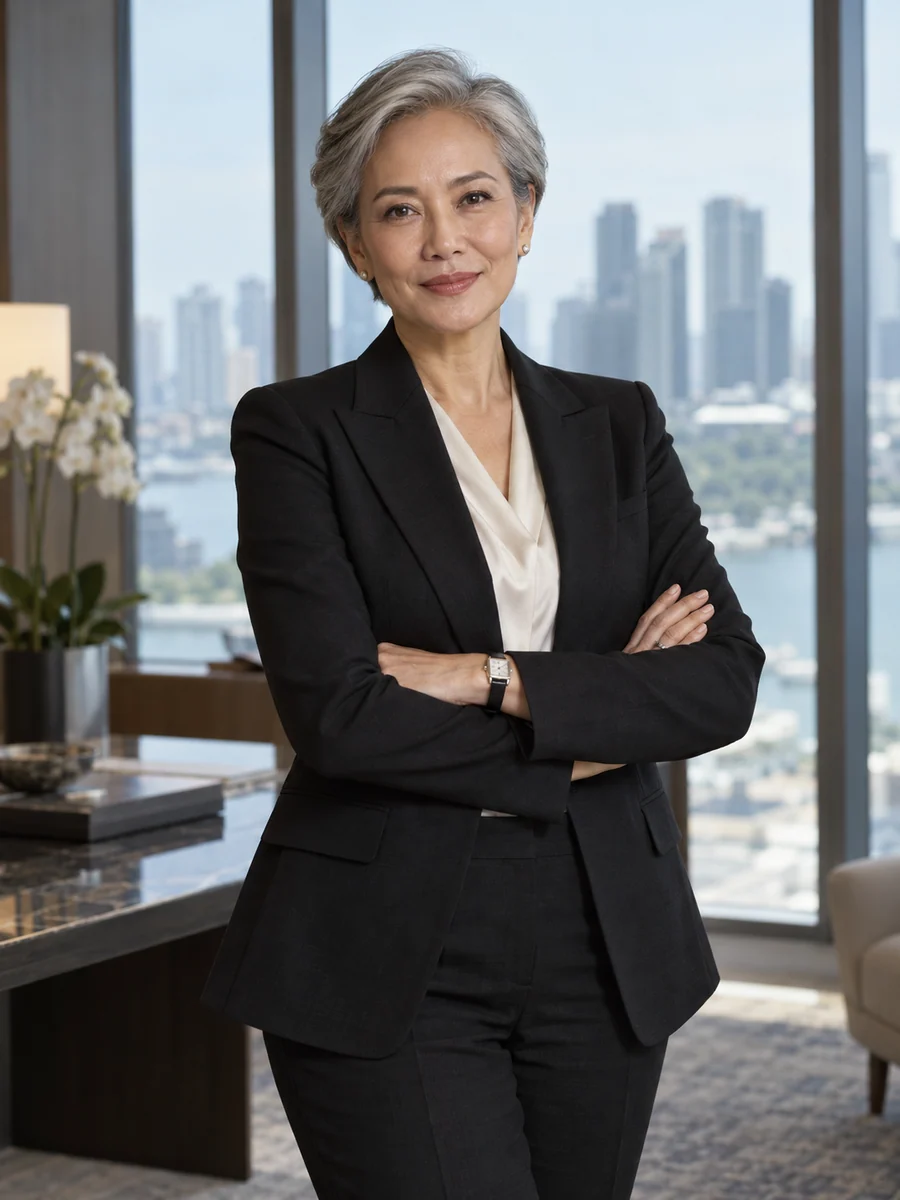
On my second day as a credit analyst at Halsworth Asia Bank in Singapore, Thailand floated the baht. It was July 1997. I was twenty-two, I had finished a business degree at Kentwell University a month earlier, and I had been hired partly because I could read Indonesian financial statements and talk to the people who prepared them. Within a year the rupiah had lost most of its value against the dollar, and the bank's Indonesian corporate book, which had looked conservative that June, held dozens of borrowers who could no longer service dollar loans from rupiah revenues.
I spent four years in the bank's special assets unit, working for Alastair Breck, a Scottish workout banker who had seen two earlier cycles in Hong Kong. We restructured loans to a packaging maker in Surabaya, a textile business in Bandung and a shipping company in Medan, among many others. The lesson I took from those years was not technical. The borrowers who came to us early, opened their books and accepted painful terms mostly survived. Those who asked us to wait for the currency to recover, and whose families moved assets while we waited, mostly did not. A bank that waits alongside its borrower is not being kind. It is postponing a decision until the options have gone.
In 2001 Halsworth sent me to its Jakarta branch to run commercial credit. I was back in my own country, lending to the kind of family-owned manufacturers I had spent four years restructuring. The work taught me how family firms actually decide: who signs, who really decides and whose pledge of personal assets would hold. I studied in the evenings for a master's degree in management at the Pradipta Graduate School of Management, finishing in 2005. By 2007, when I returned to Singapore as regional head of credit for small and medium enterprises, I believed a small-business loan could be judged by the quality of its paperwork.
The regional role cured me of that. I built credit scorecards for small businesses in Singapore, Malaysia, Indonesia and Thailand, and in 2008 and 2009 I watched them fail in instructive ways. Models built on years of growth said nothing about an exporter whose orders had disappeared within a quarter. We kept lines open for exporters who could show confirmed orders and cut them for those who could not, a judgement no model had suggested. From 2009 I also sat on the Board of Commissioners of the bank's Indonesian multifinance subsidiary, which financed motorcycles and small trucks for traders, and saw what field collections cost when underwriting has been loose.
In 2012 I moved to PT Bank Bentala Tbk in Jakarta to lead micro and small-business banking. I wanted to work where most Indonesian businesses actually are: in markets, workshops and roadside stalls, run by owners who keep their accounts in a notebook if at all. We organised lending around market clusters, with loan officers who visited every borrower and knew the traders on either side. The micro book grew from Rp 2.1 trillion to Rp 7.8 trillion in four years. Then coal and palm oil prices fell in 2015, and in parts of Kalimantan and Sumatra our non-performing micro loans rose to 6.9%. I stopped new lending in three provinces against the wishes of our sales leadership, and found that our loan officers had been paid on disbursement volume. I changed that before lending resumed, which took longer than anyone wanted.
Hendrawan Tjandrakusuma, the founder of Bank Kartadana, approached me in 2016 after a supervisory review had pointed to weaknesses in the bank's credit risk management. He wanted a risk director who would tell him what he did not want to hear, and for most of the next five years he was as good as his word. I joined the Board of Directors in February 2017 after OJK's fit-and-proper assessment. I separated credit approval from the business lines, built an early-warning list the business could not edit and, in 2020, wrote the criteria we used to restructure about a fifth of our loan book when the pandemic closed markets across Java.
In 2021 Pak Hendrawan stepped back from executive life at seventy-seven. His son Benedict had been vice president director since 2016 and was widely expected to succeed him. The Remuneration and Nomination Committee, led by independent commissioners, recommended me instead, and the founder accepted its view. Benedict now runs the family's holding company and chairs our Board of Commissioners. We disagree on some things, including one significant credit decision in 2025, and we have learnt to do it in the boardroom and in writing rather than through intermediaries. I regard that as the most important governance achievement of my tenure, and it is as much his as mine.
People who work with me would say that I ask for the worst borrower in a portfolio before I look at its average, that I read complaint files myself and that I am slow to celebrate a good quarter in a lending business, because the losses on this year's loans arrive in two or three years. I would add that I change my mind when the evidence changes, and that I try to make it easy for colleagues to tell me I am wrong before a decision is final rather than after it.
Open to Board appointments · Speaking invitations
Languages / Indonesian · English · Mandarin (conversational)
A leadership conviction
I trust a loan book only as far as I trust the conversations behind its restructurings. Borrowers, families and banks all prefer to wait for better news, and a bank that waits with them turns a manageable loss into a hidden one. My job is to set the bank's calendar for bad news earlier than anyone finds comfortable, and to pay for that honesty in dividends, fees or growth when I must.
- Total assets
- Rp 94.6tn
- Bank Kartadana, June 2026; loans Rp 64.8tn, 62% to MSMEs
- Loan at risk
- 21.4% → 10.2%
- December 2021 to June 2026, after re-underwriting pandemic restructurings
- Current and savings accounts
- 31% → 46%
- Share of third-party funds, 2021 to June 2026
Board & advisory record
Current appointments
PT Bank Kartadana Tbk
President Director; member of the Board of Directors since 2017
Presents to the Board of Commissioners and its Risk Monitoring and Audit Committees
February 2017–present
Earlier appointments
PT Halsworth Multifinance Indonesia
Non-executive member of the Board of Commissioners
Credit and audit matters
2009–2012
Education & credentials
- Bachelor of Business Administration in banking and finance
- Kentwell University · 1997
- Master of Management (part-time)
- Pradipta Graduate School of Management · 2005
Perspectives from colleagues
Grace brings the committee the loans she is worried about before the ones she is proud of. In 2021 she asked us to cut a dividend the family was counting on, and she gave us the collectors' view of the restructured book, not only the business's. We were better commissioners for it.
I expected to lead this bank, and the commissioners chose Grace. We have disagreed, most sharply over my family's township project. She told the board exactly what she thought, put my objections in the minutes and never once took the argument outside the boardroom.
When coal prices fell, Grace flew to Samarinda and sat with our loan officers for two days before she stopped lending in the province. She also changed how we were paid, which nobody above us had wanted to touch.