Chief Human Resources Officer India
The record should explain the person's working history
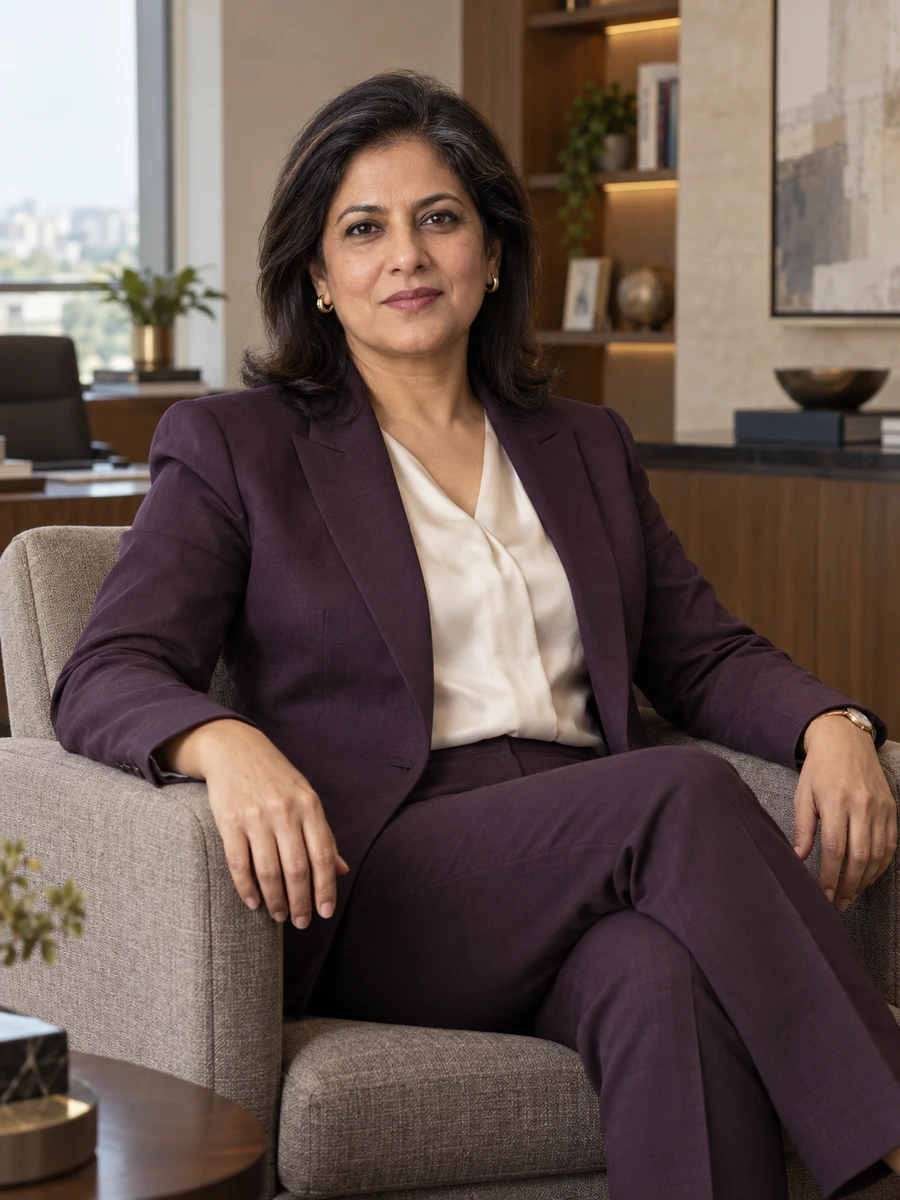
In my first personnel job, a supervisor asked me to change a worker's record because the new entry would be easier for the office to process. The worker had spent several years on a different arrangement, and the proposed change would have made that history disappear from the conversation. I did not yet know enough to decide the issue. I did know that an administrative convenience was being presented as if it were the person's complete employment story. I took the earlier records to the personnel manager and asked for a decision that acknowledged them.
I joined Mahzari Textiles in June 2000 after completing a postgraduate diploma in human resource management at Tamshori HR College. Both are fictional institutions in this demonstration. The company made woven fabrics near Lucknow, and my work involved attendance records, employee queries and coordination with supervisors. I learned to listen without promising an answer I did not have authority to give. A personnel officer can create considerable confusion by sounding helpful before the underlying decision has been made. I began writing down who would answer a question and when the employee could expect to hear back.
In August 2005 I moved to Felmori Business Support, a privately held service business handling document processing and customer-support administration. I became an employee-relations manager, leading a small team across Lucknow and Kanpur. The setting changed from a factory to offices, but the difficulty of interpreting a policy remained familiar. Different supervisors could apply the same words differently. I spent more time bringing managers together around actual cases, so that consistency meant a reason they could explain rather than an instruction to copy the previous answer.
The move into Praneri Managed Services in January 2011 introduced a further complication: many colleagues worked at customer sites. The client's priorities shaped their day, while our company remained responsible for employment decisions. As regional HR head I worked with service managers who were often away from their teams. We had to make it clear who could approve leave, address a concern and explain a change in assignment. I found that a reporting line on a chart was much less useful than a manager who answered at the point when a colleague needed a decision.
I became head of people operations in April 2017. The role joined recruitment operations, employee records, regional partnering and development administration across the company. I led twenty-eight colleagues through four leads and managed ₹4.9 crore in annual function expense by FY 2022. The larger remit exposed weaknesses in methods that had seemed workable within a region. An informal exception known to two people could become an unexplained discrepancy when records moved between teams. I began asking for decisions to be documented in a form that someone outside the original conversation could understand.
During that period I also supported promotions I would assess differently now. Some excellent technical colleagues became managers because managing people appeared to be the only credible route to senior pay. We gave them a title, some training and a team, without examining whether they wanted the responsibilities or could perform them. When I became CHRO in July 2022, I inherited the consequences alongside the authority to change the process. I did not regard the earlier decisions as somebody else's mistake. I had helped operate the system that made them seem natural.
The 2024 promotion review asked thirty-six candidates to demonstrate how they would allocate work, give difficult feedback and respond to a concern about a senior colleague. Twenty-two were ready for management responsibilities, eight chose a technical-specialist route and six required further preparation. The categories mattered more than a single success rate. We also had to give specialists a real pay opportunity; otherwise the distinction would have been a polite way to restrict their progression. Some operating leaders disliked the delay, but agreed to plan for it rather than appoint people before the responsibility had been examined.
My present team covers 3,100 employees through five functional heads. I report to the CEO and present workforce matters to directors, while holding no board seat myself. I am responsible for ensuring that people decisions are prepared and implemented coherently, not for replacing the judgement of every manager. The work includes uncomfortable discussions about cost. Additional service-desk cover requires money; preserving acquired leave balances carries an obligation; a more relevant hiring assessment takes time to design and review. Those costs should be visible when leaders decide what kind of employer they intend to be.
I am now preparing for a first external board contribution. The perspective I would bring comes from observing how an operating assumption becomes a lived employment arrangement. I would ask who carries the consequence, whether the company can honour what it has communicated and what evidence supports a proposed change. I would also need to step back from my executive habits. A director's contribution should improve collective judgement and accountability, rather than make management wait for an additional HR approval from someone outside its reporting structure.
Open to Board appointments
Languages / English · Hindi · Urdu
A leadership conviction
I want a person to know what a company decision means in practice: which responsibilities come with a promotion, who can call them after a shift, which service records survive an acquisition and how their ability will be assessed. A well-written policy matters only when somebody is accountable for those answers. HR should make that accountability usable for employees and managers alike.
- Employees at March 2026
- 3,100
- Service centres and client-site teams across India
- People-function colleagues
- 44
- Five heads; ₹8.6 crore annual function expense
- Years in personnel and HR
- 26
- Textiles, business support and workplace technology services
Career chapters
2022–present 01
Chief Human Resources Officer
Praneri Managed Services
Leads the people function across workplace technology and service-desk operations.
2017–2022 02
Head of people operations
Praneri Managed Services
Joined regional partnering, employee records, recruitment operations and development administration.
2011–2017 03
Regional HR head
Praneri Managed Services
Connected client-site employment decisions with accountable service managers.
2005–2010 04
Employee-relations manager
Felmori Business Support
Led case review and manager support across two service locations.
2000–2005 05
Personnel officer
Mahzari Textiles
Worked on attendance, employee queries and the records underlying personnel decisions.
Education & credentials
- Postgraduate Diploma in Human Resource Management
- Tamshori HR College · 2000
Perspectives from colleagues
Working with Zoya since she became CHRO in 2022, I have seen her turn a general concern about people into a decision we can examine. She identifies the responsibility, the cost and the person who will answer for implementation.
Zoya and I have worked together on service staffing since 2018. She will challenge an arrangement that relies on unspoken effort, but she also stays with the operating team while we work out a practical alternative.