Chief Information Officer Australia
From an unplugged radio to a ship's loading plan
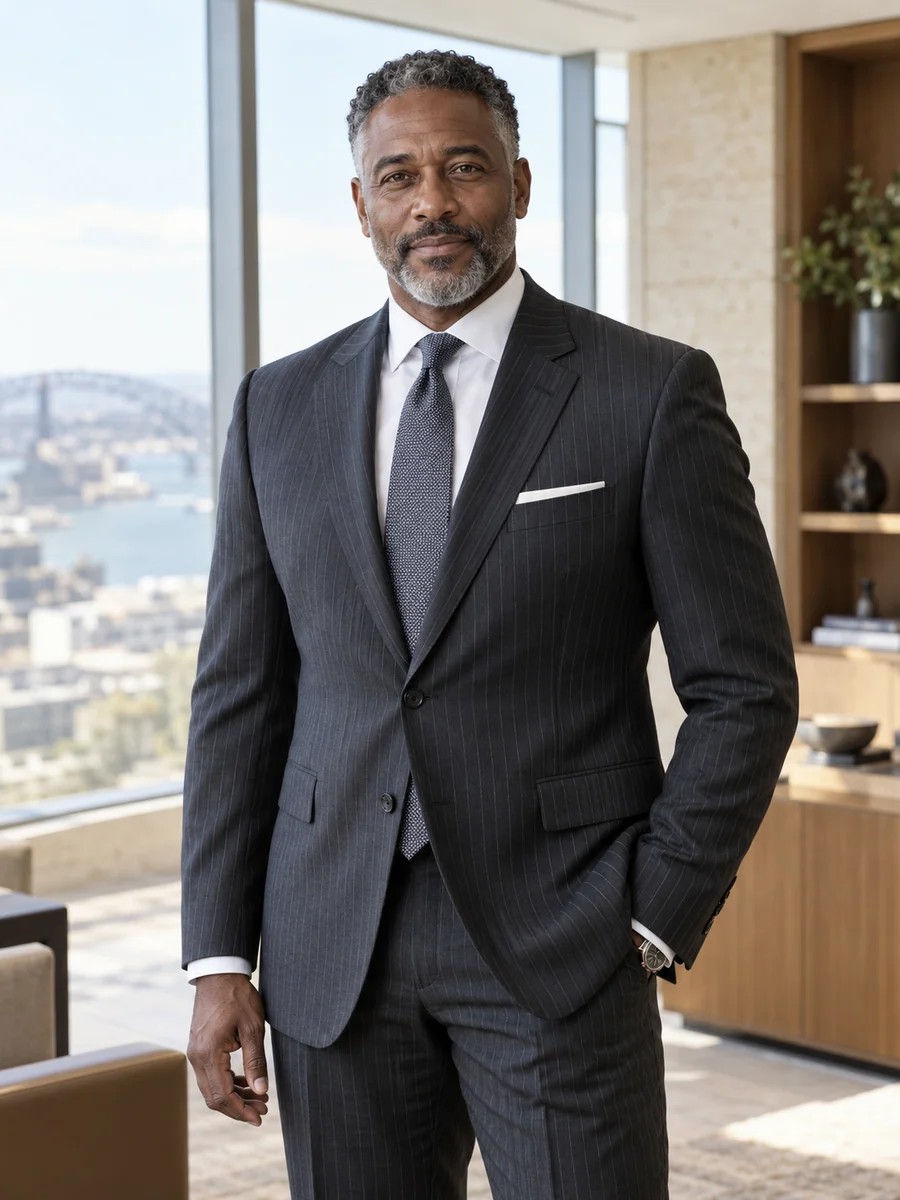
The radio sat on the passenger seat of a prime mover in a Laverton yard, its cable unplugged. I had installed it a fortnight earlier. The driver explained, politely, that dispatch called every twenty minutes to ask where he was, and that he could not answer while reversing into a loading dock. I was twenty-one, eight weeks into a graduate role at Pelorvane Communications after finishing an electrical engineering degree at Murrindale Institute of Technology. I had thought the job was about signal strength. It turned out to be about how the people at each end of the signal spent their day.
Over five years at Pelorvane I fitted radios and some of the first satellite tracking units sold to Victorian carriers. The equipment improved quickly. The arguments about it did not. Owners wanted to know where their trucks were; drivers wanted to be left to drive. The fleets that got value from tracking were those that decided in advance what a position report was for.
In 1998 I joined Brindlemoor Rail Freight, a regional operator hauling grain and containers in Victoria and southern New South Wales. I wrote and later managed the systems for wagon tracking and train crew rosters. My first harvest there was a lesson in seasonality. Half the year the timetable was predictable. From November, grain trains ran to whatever the receival sites and the port could absorb, and a roster that ignored crew rest limits was not a roster at all.
A transport-software consultancy, Feltmoor Transport Systems, recruited me in 2004. For five years I led implementations of transport management systems for road carriers and one removals company. I learnt that many clients bought software to settle a disagreement between departments, and that the software rarely settled it. My best projects began with a week in the depot before any configuration.
One client, Hallendry Removals and Storage, asked me to join in 2009. Two years later, under new private equity owners, I managed the transfer of our infrastructure and service desk to an outsourcer. The savings were real. So was the loss of the two people who understood how the quoting system priced a piano on a third-floor walk-up. In 2014 I brought support for that system back in-house. I still describe both decisions as correct for their time.
In 2015 I became head of information technology at Kurrajine Coaches, a family-owned coach and school-bus operator based in Albury. Fatigue management under the Heavy Vehicle National Law was a daily operational matter there, not a policy document. I worked with the operations manager on rostering and driver-hours records and reported quarterly to the owners' risk committee. It was my first experience of explaining technology risk to people who would be personally accountable for it.
My wife's family farms near Nhill, and when Ninderbrook Bulk Logistics advertised for a chief information officer in 2019, the role brought together the work and the region I knew. I started in January 2020. Within a month I had spent a night at our busiest site during a late delivery surge and watched a weighbridge screen take forty seconds to print a ticket while trucks idled to the highway.
I lead a team of 38, organised around receival and grower systems, terminal and logistics systems, infrastructure and security, and data. In the harvest weeks a member of my team is rostered at each of the four busiest sites, and from October to January we make no change to receival systems unless operations asks for it. I present quarterly to the audit and risk committee on cyber security, technology risk and major programmes. I do not sit on the board.
Colleagues would say I am cautious with dates and stubborn about testing. I would add that I am willing to report a cost I chose to incur. The three decisions described on this site each traded something real for something I judged more important: money for a safe cutover, tonnes for shorter queues, internal convenience for fair treatment of exporters who use our terminal.
I am now looking for a first board seat. I do not want to be the director who explains the technology. I want to help a board that runs trucks, trains, terminals or plant ask better questions about systems it cannot see, and to learn the parts of directorship that a chief information officer never has to carry.
Open to Board appointments · Advisory roles
Languages / English
A leadership conviction
A driver waiting at a weighbridge does not care which application is slow. He cares that the queue has not moved and that the hours he spends in it count against his day. I want every system we run to be designed by people who have stood in that queue, and to be judged in the six weeks when it matters most rather than in a quiet month's test.
- Grain received, 2025–26 harvest
- 3.1 Mt
- Fourteen receival sites in western Victoria and southern New South Wales
- Company revenue
- A$412M
- Year ended 30 June 2026; my remit is technology, not trading
- Technology colleagues
- 38
- Plus managed hosting, after-hours service desk and security monitoring partners
Education & credentials
- Bachelor of Engineering (Electrical)
- Murrindale Institute of Technology · 1992
Perspectives from colleagues
William brings the committee the cost of the cautious option as well as its benefits. When he recommended deferring the receival cutover, he gave us the dollar figure, the risk he was avoiding and the colleagues who disagreed. That is the paper a committee needs.
I argued against the deferral, and I still think we could have managed it. But he was at our sites every harvest night that mattered, and when the booking lanes were struggling for carriers he changed the design within a week.
He reported to me for five years and never once described a system outage without saying what it meant for a driver or a school run. The owners trusted his risk reports because he wrote them for people, not for auditors.