Chief Executive Officer India
I had to reconsider the shop I championed
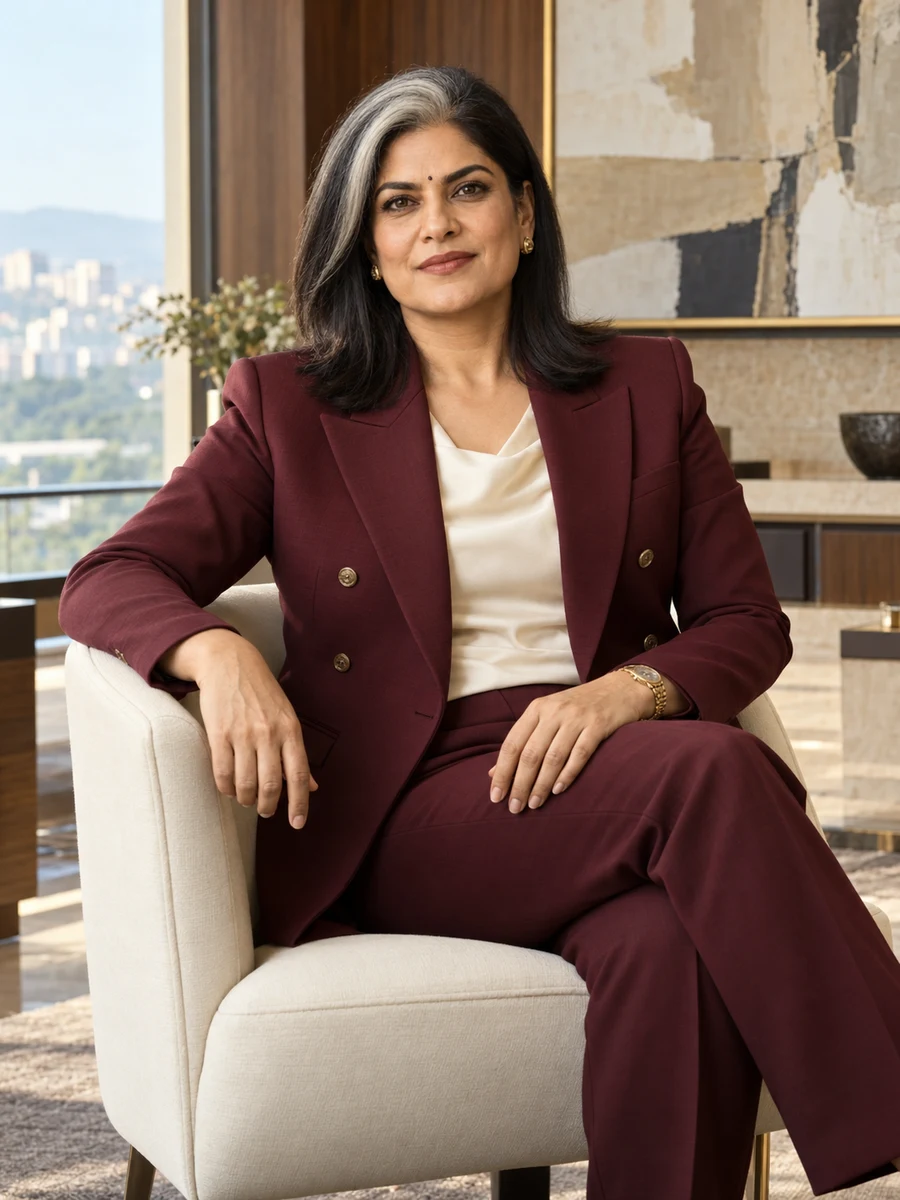
I did not begin my career expecting that closing a shop could be a necessary act of building a retail business. Early in merchandising, the visible signs of progress were new ranges, new space and new customers. The prestige location I later supported fitted that account. Becoming CEO required me to judge it again without allowing my role in the opening to determine the answer.
I started in June 1996 after commerce studies at Tarqelni Commerce College. At Pervqeni Retail Merchandising I coordinated product information and supplier schedules within a six-person client team. I had no independent purchasing or spending authority. Senior buyers made the commitments. The work taught me that an attractive range was also a series of deliveries, documents and conversations that someone had to complete after the buying meeting.
In April 2002 I became a buying manager, leading eight colleagues and coordinating purchases within a ₹14 crore annual merchandise envelope approved by clients. Their capital and retail decisions remained theirs. I learned to ask whether the assortment and presentation matched the way a shop actually served customers. A range could look coherent centrally while making the local team carry work that had not appeared in the original plan.
I joined Kelqevni Travel Goods in April 2009 as regional retail head. Six shops and seventy-two colleagues sat within my remit, with ₹5.6 crore annual operating expense. The role connected buying choices to staff, space and customer access. I learned to compare a shop's direct account with its role in the wider network, including the customers who visited before ordering elsewhere. Neither a poor local result nor a vague claim of brand importance was sufficient by itself.
Promotion to COO in April 2016 gave me responsibility for retail, fulfilment and service coordination through five functional leads. I supported the 2019 prestige opening and its ₹2.3 crore investment. The location made the brand visible, but visibility became too easy an answer when its operating account disappointed. I had to recognise that my earlier sponsorship was influencing the patience I wanted others to show.
I became CEO in April 2021 and joined the statutory board as an executive director in July 2022. The appointments are concurrent, with the director role beginning later. I now have seven executive reports and enterprise P&L responsibility. Material capital remains subject to board approval. At March 2026 the business had twelve owned shops, online retail and two trading franchise-pilot shops, employed 280 people and recorded ₹96 crore company revenue and ₹5.9 crore operating profit for FY 2025–26. Franchisees' retail sales are not added to that company revenue.
Founders own 40%, a growth investor 50% and employees 10%, including my 2%. Raman Qelrnavi is our separate chair, and Alka Derqeshi our CFO. That structure requires me to present an enterprise recommendation rather than speak as a detached observer of shareholder interests. My current directorship is executive, not independent. A prospective outside appointment would need a different assessment of relationships, capacity and preparation.
The closure review examined the prestige shop's direct performance and its wider role before recommending exit. We funded the programme and treated the consequences for colleagues and customers as part of the decision. The ₹42 lakh negative annual contribution was not an automatic estimate of future savings, and the original ₹2.3 crore did not become recoverable because we changed our mind. I wanted management and the board to see the actual choice still available.
I also changed the way we reviewed a delayed opening. The team had to explain the remaining work and its owner, rather than use an approval date as evidence that the location was already serving customers. That made the network account more useful to colleagues planning support.
The franchise pilot and bag-care acquisition then gave us two different routes to develop the network. Partners could extend access, but central training and support still required resources. Buying a service operation could add capability, but its eighteen colleagues and continuing cases had to be integrated rather than treated as an asset acquired on paper. I now ask what each part of the business is expected to contribute and what it needs from the rest. An outside board role would let me bring those questions to another enterprise while respecting its management and continuing my own preparation.
Open to Board appointments · Executive opportunities
Languages / Marathi · Hindi · English
A leadership conviction
A shop can be visible without earning the resources it consumes. A partner can open a door while leaving the brand with a service obligation. An acquisition can add a capability only if the people and work are brought into the business. I want our growth account to describe those obligations as clearly as the opportunity.
- Company employees
- 280
- March 2026; seven executive direct reports
- Company revenue
- ₹96 crore
- FY 2025–26;₹5.9 crore operating profit; franchise retail sales excluded
- Retail experience
- 30 years
- Merchandising through CEO and executive statutory director
Education & credentials
- Bachelor of Commerce
- Tarqelni Commerce College · 1996
Perspectives from colleagues
Sanjana brought the closure of a shop she had sponsored with the network consequences and transition cost visible, rather than asking the board to defend the earlier announcement.
She kept acquisition consideration and integration expense separate and asked for the service account after completion, not only the transaction milestone.