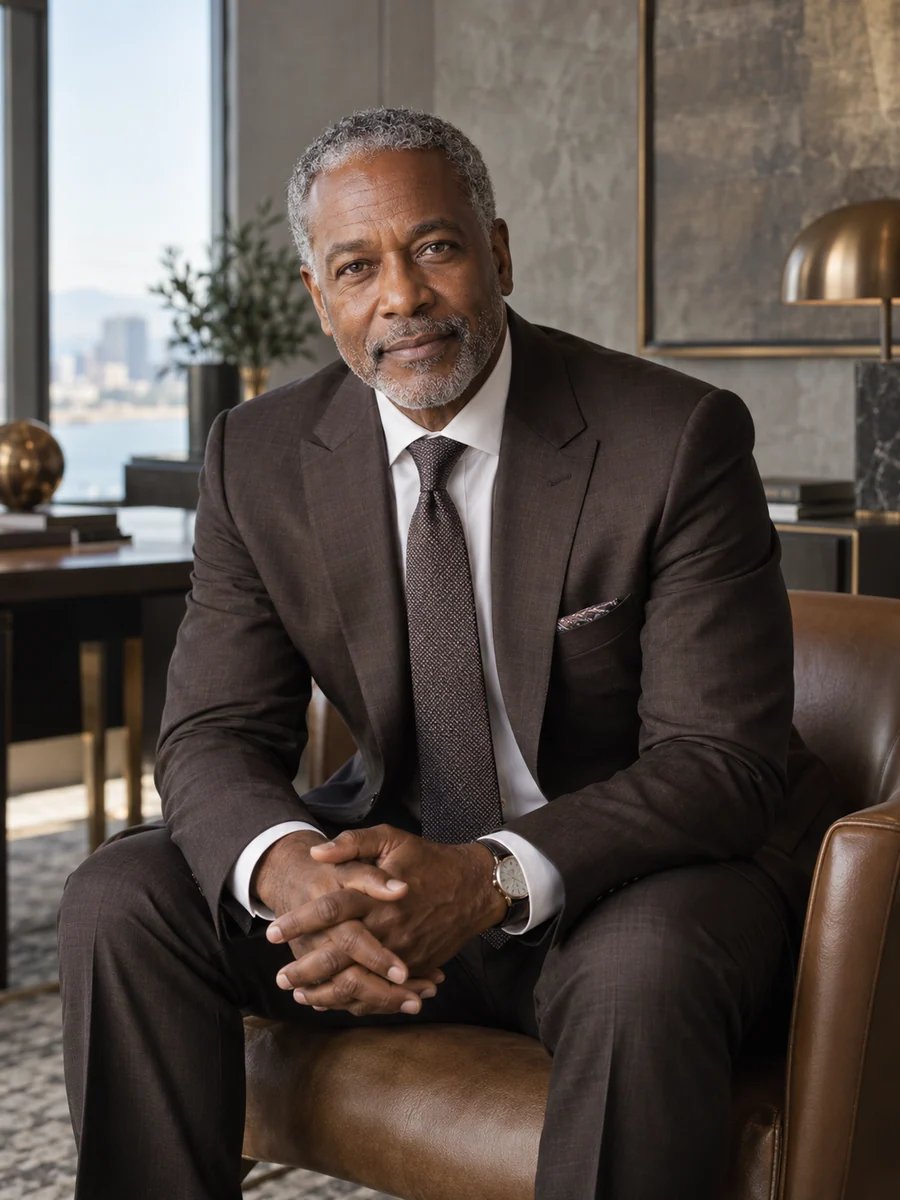
I plan a contractor's skilled crews as the capacity that decides what it can safely promise, and I hold the company to the cost of building that capacity.
I lead people, labour relations and apprenticeship as chief human resources officer at Brenmarrow Civil Constructors, a family-owned heavy civil contractor based in Concord, Ontario. We build guideway and station structures for transit lines, highway bridges and water and wastewater plants in Ontario and, from our Surrey office, in British Columbia. Revenue in 2025 was C$1.12 billion. Our workforce peaked at 2,840 last summer, of whom 2,010 were hourly tradespeople. I lead a team of 44 covering human resources, labour relations, training and our apprenticeship office.
I came to this work from the formwork deck. I started as a carpenter apprentice in September 1988, became a journeyperson and then a foreman, and moved into site safety coordination when I realised that most of the incidents I saw began with a crew that was short-handed, rushed or new. Industrial relations study, taken part-time over several years, gave me a vocabulary for what I had already watched happen. A homebuilder then taught me how differently people behave when most of the workers on a site belong to someone else.
Health and safety at Brenmarrow is led by our vice-president of health and safety, who reports to the chief operating officer. My part is the people conditions that decide whether safety rules hold: how crews are staffed and supervised, whether apprentices are mentored or merely present, whether a worker on a closed work permit believes a stop call is safe to make, and whether someone struggling can find help without a foreman learning about it. I present to our board's human resources and compensation committee, and I do not hold a directorship.
Apprentices hired instead of crews flown in
On a C$238 million guideway package in British Columbia, we hired 48 apprentices with paid journeyperson mentors rather than sending 60 travelling carpenters from Ontario. Thirty-one remained with us in June 2026; productivity ran 7% below estimate for nine months.
Counselling that no supervisor can see
After a foreman's death in 2021, we trained 96 peer supporters and opened confidential counselling to everyone on our sites, including subcontractor crews. The provider reports usage only in aggregate. The programme costs about C$680,000 a year.
A permit holder now calls stop
A near miss in 2024 showed that workers on employer-specific permits feared reporting hazards. We paused lifts for three shifts and retrained the site in four languages. Hazard reports from that crew rose from three to 27 over comparable six-month periods.
Current focus
I am rebuilding our foreman development programme so that new supervisors learn to run a crew's day, handle a grievance and notice a worker in difficulty before we ask them to manage production on a transit structure.
Conversations I welcome
I am open to a first independent board seat at a construction, building-products or infrastructure-services company, joining a human resources or health and safety committee, with about 24 days a year subject to my employer's consent.