Chief Product Officer India
Learning what the demonstration left outside the frame
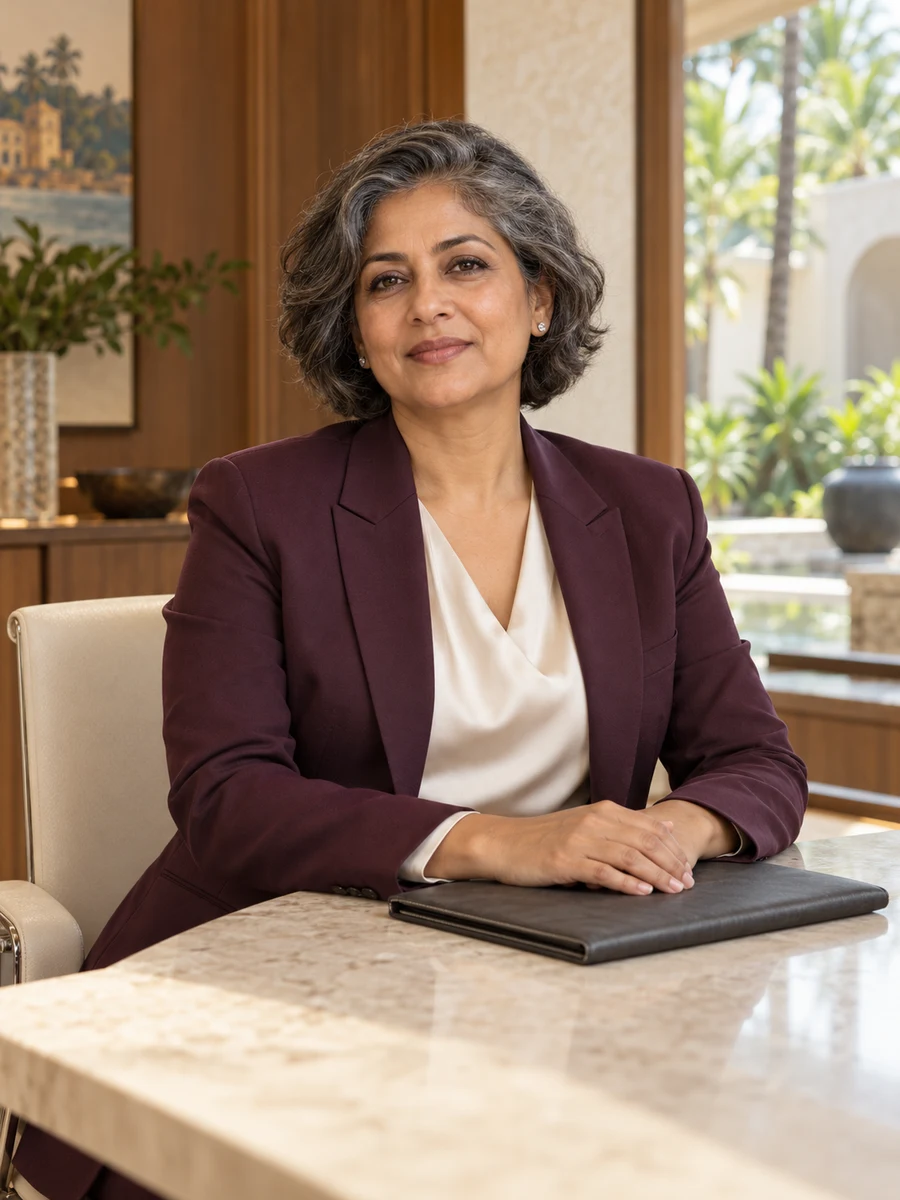
My early product work was organised around objects on a studio table. I could inspect a seam, compare a silhouette and explain a feature in a controlled demonstration. I gradually learned how much of a traveller’s experience happened outside that setting. A bag was loaded differently, carried alongside another object or opened when there was no spare surface. The product decision became more interesting when I stopped treating those situations as inconvenient variations around the intended use.
After completing design studies in May 1996, I joined Tervqeshi Carry Design in June. I worked in a five-person studio group preparing prototypes and recording changes under a senior designer. I had no authority to approve client investment or production release. The job taught me to preserve the reasoning behind a revision, including the idea it replaced. A neat finished sample could otherwise conceal the assumptions made along the way. I began to distinguish a demonstrable feature from evidence that someone could use it comfortably in the situation described by the brief.
In 2003 I became a design lead with seven colleagues and ₹82 lakh annual studio-delivery expense. Clients retained their commercial and manufacturing decisions. My team had to explain what a prototype had shown and what still needed examination. I learned to invite disagreement before a design became expensive to change. A colleague who questioned the opening sequence or the position of a fastening was not merely requesting another aesthetic option. They might be identifying an action the user would need to perform when our explanation was absent.
Nerqeshi appointed me product manager in 2010. Twelve colleagues worked within ₹2.2 crore annual function expense. Moving into the retailer kept me responsible after the studio handover. Shop and service colleagues could show where a product description created an expectation the object did not fulfil easily. I learned to ask which parts of the experience depended on a trained demonstrator. The move did not transfer quality or safety approval to me; it brought those owners into the product decision earlier and made the commercial consequences of a revision more visible.
I became head of the travel portfolio in 2016, leading nineteen colleagues through two leads within ₹4.1 crore annual expense. The lighter-backpack proposal was my own misjudgement during this role. I treated a lower empty weight as the dominant improvement before understanding the loaded experience. The thirty-participant exercise did not tell us which bag every customer should choose. It showed that our preferred specification did not settle the question we had attached to it. I asked Nima to present the differing accounts directly and made the cost of revisiting the design visible to the commercial team.
The CPO appointment followed in 2022. The current team works across research, product definition and development, with manufacturing and operating responsibilities remaining separate. The rain-cover study required us to revisit the opening sequence rather than add another instruction. The buckle programme required service, sourcing and quality colleagues to define what a replacement promise could actually support. Neither decision fitted a story in which a feature was complete as soon as its design was approved. I report to Rohan Zelqavni and explain the remaining dependencies alongside the proposed investment.
I have also learned to make room for a useful result that does not support my preferred answer. A participant’s account is not a vote to be gathered until a sponsor wins. It can expose a different task, a condition we missed or a choice that should remain available. I want researchers to retain that distinction when the finding enters a commercial paper. I ask the team to retain observations that do not fit the preferred explanation and describe what would change our recommendation. That gives the next review a question to resolve instead of another presentation to endorse. I also want the account to state where the study stopped, so a limited observation does not become a universal claim through repetition.
My board exposure consists of invited product-development reviews, with no statutory appointment. I am considering how this experience could inform a first outside contribution after the relevant preparation. I would need to understand the receiving enterprise’s economics and obligations, not simply recognise its product questions. The useful habit I would bring is to ask what happens after the demonstration and who remains responsible when the customer begins to use the thing we have sold.
Open to Board appointments · Executive opportunities
Languages / Konkani · English · Hindi
A leadership conviction
The specification begins a product conversation. I want to know what the traveller must do with the object when the demonstration is over.
- Product colleagues
- 26
- Research, product definition and development through three leads
- Retail shops
- 17
- A Panaji-headquartered travel-goods enterprise
- Annual product-function expense
- ₹6.2 crore
- ₹2.3 crore development programme stated separately
Education & credentials
- Bachelor of Design in Product Design
- Velqerni Design College · 1996
Perspectives from colleagues
Elena made the cost of a narrower product promise visible and explained why the original feature could not settle the investment question.
I could present a finding that challenged Elena’s own preference without having to turn the participants into a vote for the sponsored design.