Chief Human Resources Officer India
Lessons from camps, cane yards and turbines
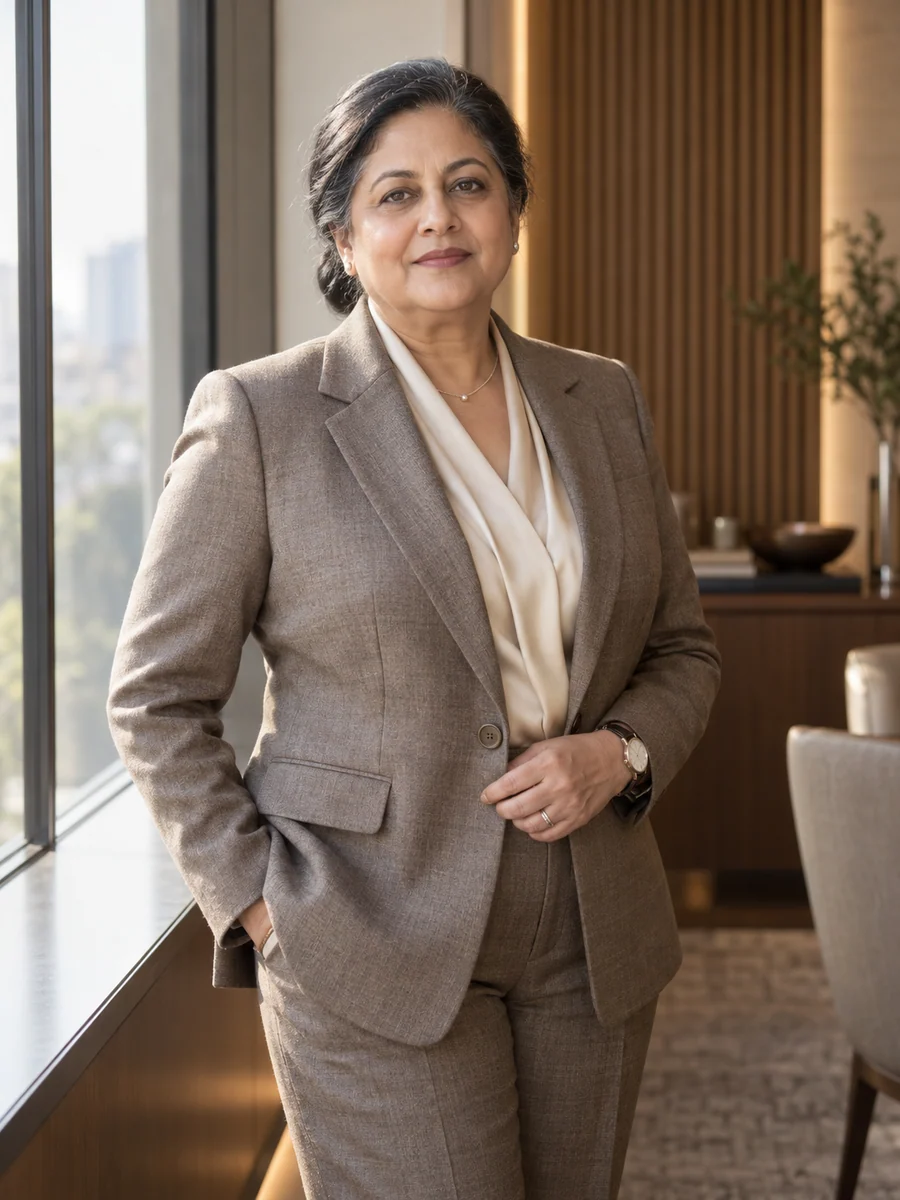
My first employer housed its workers in tin-roofed camps beside the substations it was building. In July 1998 I joined Sudhanvel Electrical Contractors in Chennai as a personnel officer, two months after completing a master's degree in personnel management and industrial relations at the Vellivakkam Institute of Labour Studies. I had studied labour law as a set of statutes. At a camp in rural Tamil Nadu it became a set of plain questions: whether the drinking water arrived, whether the wage register matched the cash handed over on Saturday, and whom a worker could complain to when the subcontractor was also the man who had brought him from his village.
I was not responsible for the erection work or its safety permits. What I learnt in three years of moving between camps was that people report a problem only when earlier reports have changed something. That lesson has stayed with me through every later role.
In 2001 I moved to Kittavara Sugars and Power, a sugar mill with a bagasse-fired cogeneration plant near Bagalkot in north Karnataka. The mill employed about 640 permanent and seasonal workers, and roughly 1,800 harvesting workers arrived each crushing season through cane contractors. I ran welfare and industrial relations. I kept a rehiring list so that seasonal experience was not lost every year, opened a crèche for women working in the cane yard, and learnt the difference between a contractor's headcount and the people who actually turned up. I also sat through my first grievance negotiations beside the personnel manager, saying less than I wanted to.
Konasreni Power Company hired me in February 2006 as plant HR manager of a 420 MW gas-fired combined-cycle station in coastal Andhra Pradesh, with 230 permanent employees and about 380 contract workers. I concluded a three-year wage settlement with the recognised union in 2008. Then, during 2010, the station's gas supply fell and it ran at part load for long stretches. Skilled operators had little to do, and management debated cutting contract strength, deferring increments or simply waiting. I argued for a training rota that used idle hours for certification and cross-skilling, and for monthly briefings on the gas position. The station director accepted the rota but not every briefing. Watching capable people wait without information taught me more about morale than any survey since.
In June 2011 I joined Vindrelsen Wind Services India, the Indian service subsidiary of a European turbine maker, as head of field human resources. Our 1,150 technicians maintained turbines across five states, and annual attrition was 31 per cent. Exit conversations showed that pay mattered, but travel fatigue, unpredictable rotas and missed family occasions mattered more. With the service director I introduced rotas published six weeks ahead, a limit on consecutive days away from home and tracked climbing and rescue certification. Attrition fell to 17 per cent by 2015. Regional managers told me plainly that the rota cost them flexibility at short notice, and they were right.
Oruvanthi Power recruited me in August 2016 to build the people side of its first solar park. The company knew how to run a coal station with a township, a union and settled routines. It had no employment model for twelve technicians in western Rajasthan. I wrote one with the operations head, covering accommodation, transport, shift patterns, contractor audits and the first field roles open to women. By March 2021 the renewables business employed 520 people directly.
I became CHRO in April 2021. The board's 2022 decision to build no further coal capacity turned a growth question into a transition question. Our station employees were not losing their jobs, but the work they expected to do for the next twenty years had become uncertain. I have spent the years since trying to give them real choices early: retraining with a right to return, transfers planned with families, and an honest account of the station's remaining life. I have also had to defend costs that never appear as megawatts, such as night supervision for summer cleaning crews and higher base wages for contract technicians.
I ask site managers to bring me the problem before the solution, and I visit every park at least twice a year, once in May. Presenting to our nomination and remuneration committee has shown me how directors test a people proposal: what it costs, what happens if it fails and who answers for it. I would now like to apply that discipline from the other side of the table.
Open to Board appointments
Languages / English · Tamil · Hindi · Telugu
A leadership conviction
A technician's shift is the smallest unit of an energy transition. Megawatts move on a planning chart in a single board meeting, while the people who will run them have to change their skills, their towns and sometimes the hours their bodies can tolerate. I try to give those people real choices early, with the costs written down before anyone is asked to decide.
- Company revenue
- ₹2,940 Cr
- Year ended March 2026
- Direct employees
- 2,140
- Plus an average 3,900 contract workers on site
- Renewable capacity operated
- 1,450 MW
- Alongside a 600 MW coal-fired station
Education & credentials
- Master's degree in personnel management and industrial relations
- Vellivakkam Institute of Labour Studies · 1998
- Bachelor of arts in economics
- Thiruvarnam College of Arts and Science · 1996
Perspectives from colleagues
When the board stopped adding coal, Nandita was the first executive to ask what we owed the station's thirty-year-olds. She brought costed options rather than sentiment, and told us plainly which ones she could not yet staff.
She met our batch in the township before we applied and answered the questions about schools and housing that the circular had left out. Four months after moving I wanted to go back. She reminded me the return route was real, and that is partly why I stayed.
Nandita's committee papers show the cost of each people decision and what happens if it fails. Once she asked us to reject her own retention proposal because the evidence behind it had changed.