Chief Information Officer India
The unfinished work taught me what a system change contains
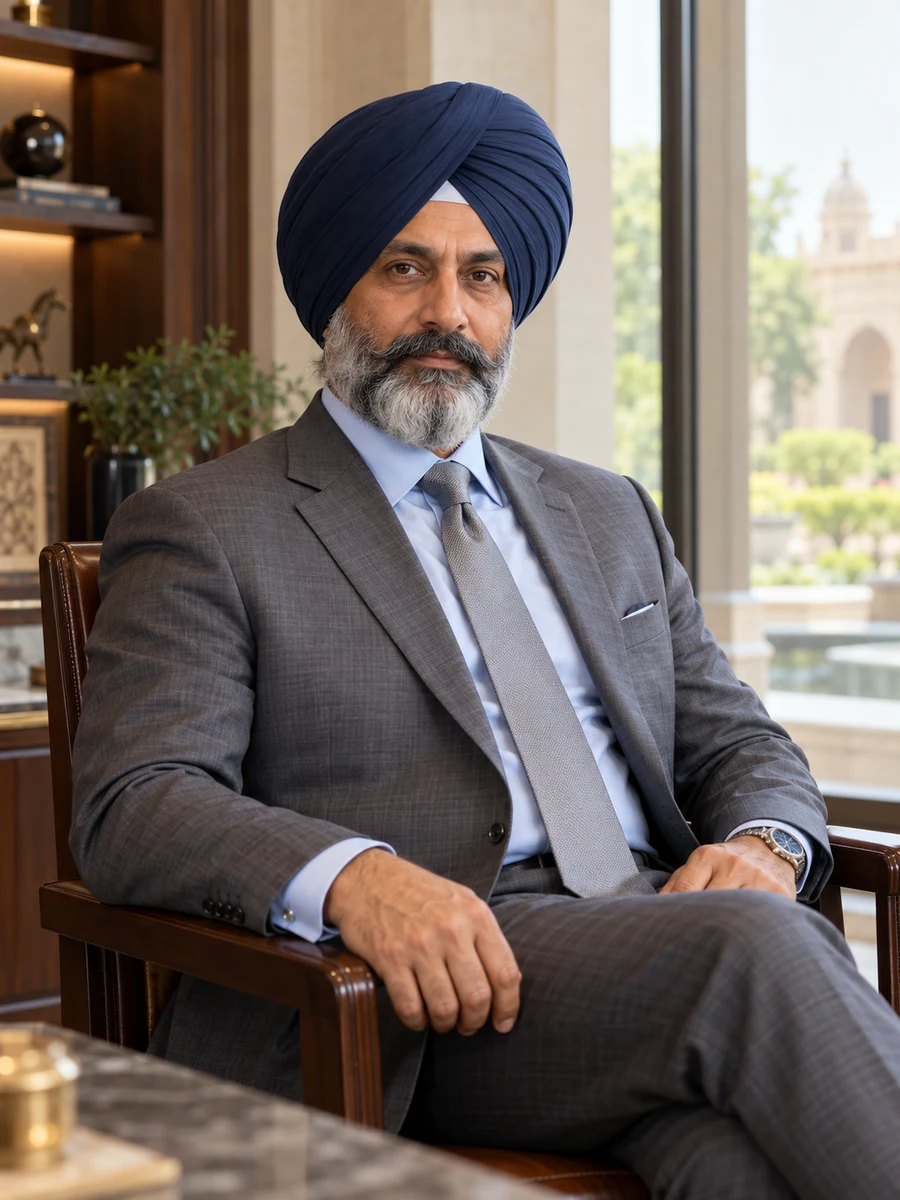
I began systems work in a distribution business where the people asking a question often remembered an event differently from the application recording it. The answer was not always in the newest transaction screen. Earlier records, working definitions and the sequence of changes could matter. That experience gave me an interest in what a system preserves over time, although I later learned that understanding the principle did not prevent me from overlooking it in a retirement recommendation of my own.
I completed computer-science studies in May 1992 and joined Vezrlani Distribution Systems the following month. In a six-person operations group I monitored scheduled work and prepared records for senior review. I had no independent production-change authority. The role taught me to distinguish a successful run from the business question the output was supposed to answer. When a record could not be found, I needed to preserve the context and ask the responsible person rather than declare that the event had never occurred.
In 1999 I became integration lead with eleven colleagues and ₹1.2 crore annual function expense. Connecting systems meant learning which distinctions each application retained and which could disappear during transfer. I worked with business owners to understand how earlier records were used, not only how new transactions arrived. The experience also made me careful about diagnostic detail. Information useful in a business record did not automatically belong in every technical trace produced while the record travelled between systems.
Merqlavi appointed me applications manager in 2007. Twenty-four colleagues worked within ₹4.3 crore annual function expense. Health insurance introduced continuing records and specialised decisions that technology supported without owning. I had to learn from operations, claims and professional colleagues before deciding what a screen or report could safely imply. An application could display a status without giving the technology team authority to interpret coverage or clinical evidence. That boundary became more important as integration made it easier to move details into systems designed for a different purpose.
I became head of IT in 2015, leading forty-eight colleagues within ₹11.2 crore annual operating expense by the end of the appointment. The 2019 retirement proposal exposed a gap in my review. Current transactions had moved, and I treated that achievement as sufficient evidence that the older environment could close. Business owners still needed nine historical report types that the replacement could not yet support. I paused the recommendation and accepted the cost of retaining controlled access while the retrieval work continued. The correction required me to distinguish a technical migration from the remaining record obligation.
The CIO appointment followed in 2022. Five heads now coordinate sixty-eight technology employees and twelve separately counted contractors. I report to Nisha Delvrani and work with Rakesh Qezrlavi on operating consequences. The annual change allocation and technology running expense are separate parts of the remit; neither should be confused with the insurer’s premium measure. I present recommendations to directors by invitation, with no statutory seat. The responsibility is to make the technology account useful to their decision, including when a qualified result is less convenient than the programme’s preferred headline.
The logging review in 2023 and maintenance work in 2025 tested that responsibility from different directions. One asked whether diagnostic convenience justified copying identity fields into a technical record. The other asked whether a familiar overnight window matched the service demand actually supported. I wanted the appropriate information owners and operating colleagues to influence the design before release. In each case we kept unfinished work visible rather than use a successful subset to declare the entire programme ready. The supporting service and professional requirements could change the timetable, even when the technology team had already planned its work.
I would bring this experience to a mandate that values stewardship alongside delivery. A possible outside appointment would need further preparation, realistic capacity and a specific assessment of relationships and suitability. My contribution would be to ask what remains necessary after a system change and what the programme’s evidence has not yet established. I would expect to learn the receiving company’s records, service economics and professional responsibilities rather than assume that one insurer’s technology choices should become another organisation’s standard.
Open to Board appointments · Executive opportunities
Languages / Punjabi · Hindi · English
A leadership conviction
A newer system does not erase an older obligation. I ask what must remain usable, what should never enter the diagnostic record and whose working day a technical timetable assumes.
- Technology employees
- 68
- Five heads; twelve contractors counted separately
- Annual technology operating expense
- ₹17.8 crore
- Separate from ₹5.9 crore approved change investment
- Systems and technology experience
- 34 years
- Operations, integration, applications and CIO leadership
Education & credentials
- Bachelor of Science in Computer Science
- Delqravni Computing College · 1992
Perspectives from colleagues
Gurmeet withdrew the retirement recommendation when the historical work was not ready. He showed us the remaining cost instead of claiming a saving from a system we still needed.
The maintenance discussion started with the work continuing outside branch hours. He kept the failed fallback exercise visible rather than use the other three to declare the route ready.