Chief Operating Officer United States
Thirty-three years between the manifest and the road
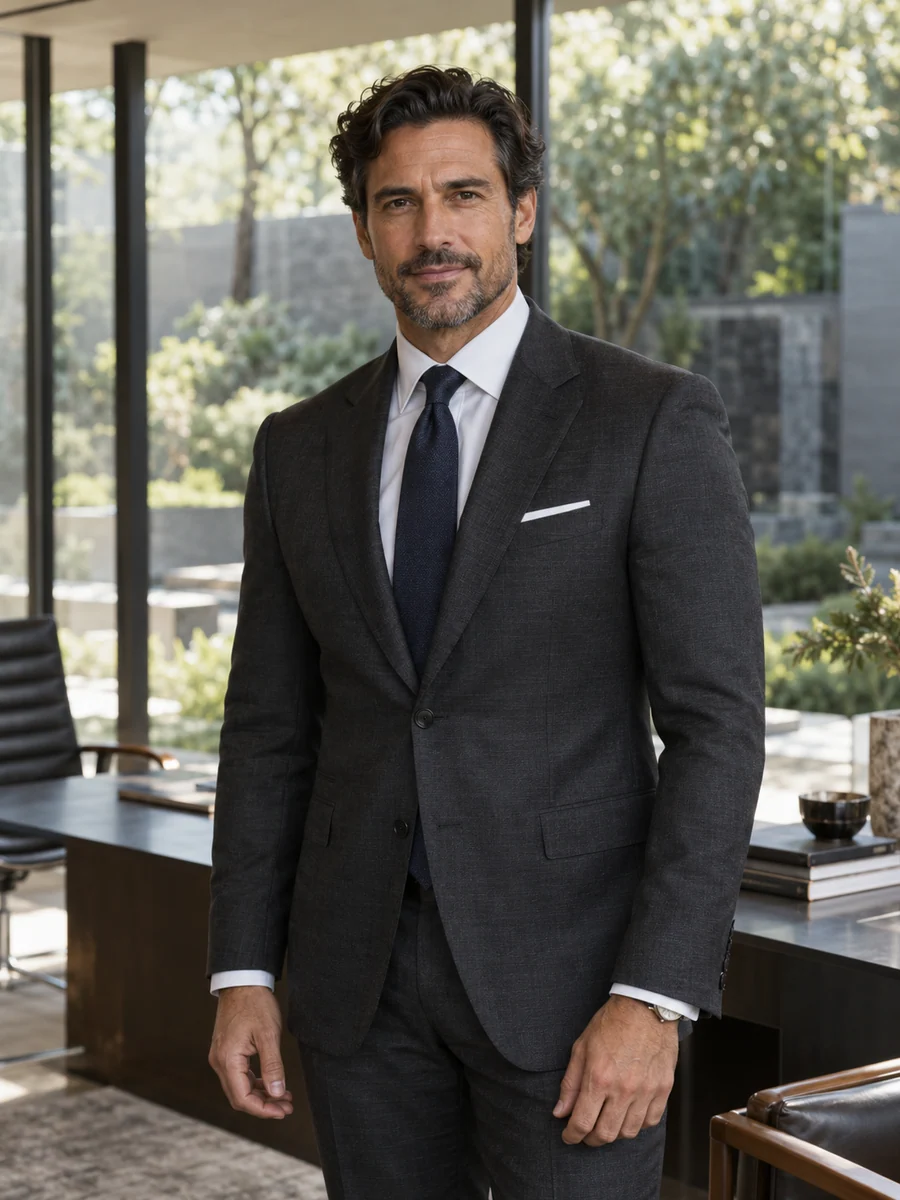
The first lesson I learnt about transportation came from a rider who used a wheelchair and needed to reach a dialysis clinic by seven. In 1993 I was a scheduler at Conewell Valley Transit Authority, a public bus operator, newly graduated in geography from Haverlocke State University. The paratransit software of that era produced a tidy manifest. It did not know that her building's lift failed in cold weather, or that the driver assigned to her had never secured that model of chair. The trip worked because a dispatcher who knew both facts telephoned ahead. I have distrusted tidy manifests ever since.
Within three years I supervised the authority's paratransit dispatchers. Public service gave me respect for rules written to protect riders, including the federal requirement that complementary paratransit be available to eligible people on terms comparable with the fixed-route bus. It also showed me how slowly a public body changes a schedule once its board has approved one. I wanted to see how a private operator handled the same pressures with less certainty about next year's revenue.
In 1997 I joined Weylanding Coach Lines, a family motorcoach company in Lancaster, as operations manager. Charter work is unforgiving in its own way. A coach booked for a school band leaves at four in the morning whether its driver slept well or not, and a breakdown on an interstate costs the trip, the customer and possibly the next booking. I ran dispatch and driver scheduling for 110 coaches and learnt to read a maintenance backlog as an early warning of a service failure.
Ridgeholt Mobility Services recruited me in 2003 to run a paratransit contract it operated for a transit agency in central Maryland. I was now on the contractor's side of a performance agreement, with on-time and trip-denial standards written by the agency and liquidated damages when we missed them. I learnt that a contract's measures and a rider's experience can diverge. A pickup counted as on time within its window could still leave someone waiting outdoors for twenty-nine minutes. While running that operation I completed a part-time MBA at Kestlebrook University, mainly to understand the cost models my employer used to price its bids.
Brellmoor hired me in 2009 to open a paratransit division after winning its first county contract. The company had carried children to school since 1956, and its owners wanted work that kept vehicles and drivers busy between the bells. That division now runs 236 vehicles across two county contracts. In 2014 I became vice president of school transportation, responsible for more than a thousand daily routes, and in July 2020 our chief executive asked me to become chief operating officer. The timing was uncomfortable. Schools were reopening in stages, routes changed weekly and many experienced drivers had decided not to return.
The driver shortage that followed has shaped my tenure more than anything else. A school-bus driver needs a commercial licence with passenger and school-bus endorsements, federal entry-level training for new applicants, drug and alcohol testing and state background checks before carrying a single child. All of that leads to a job of perhaps five paid hours divided between a morning and an afternoon. I have spent four years trying to make that job worth keeping, sometimes at a cost our finance colleagues found hard to accept.
I lead through yard managers rather than around them. Each of our 17 yards has its own rhythm, labour market and relationship with the districts it serves. Drivers at three yards are represented by a union, and I meet their stewards every quarter, not only when a grievance arrives. I ask managers to bring me a problem together with their proposed answer and the name of the person who disagrees with it. Several of my better decisions have come from that disagreement, including the decision to leave a district I had helped to win.
I present to our seven-member board each quarter and report to its safety and operations committee, which an independent director chairs. I hold no directorship there. That position has shown me how a board can help an operator, by asking for the evidence a route sheet hides, and how it can distract one, by demanding that a figure improve without asking what produces it. I would like to contribute to another board from the other side of that table, carefully and with the humility of someone who has not yet held the role.
Open to Board appointments
Languages / English · Spanish (conversational)
A leadership conviction
A route sheet promises a district that a bus will reach a stop at a set minute on every one of 180 school days. That promise rests on people who decide to return each morning, buses that pass their inspections and yards close enough to cover an absence. I judge operating decisions by whether they make that morning more dependable, not by whether they look efficient in a quarterly report.
- Revenue, 2025
- US$161M
- School transportation, paratransit and charter work
- Vehicles operated
- 1,416
- 1,180 school buses and 236 paratransit vehicles
- Operating yards
- 17
- South-central Pennsylvania and northern Maryland
- Routes arriving before first bell
- 97.2%
- 2024–25 school year, all districts
Education & credentials
- Bachelor of science in geography
- Haverlocke State University · 1993
- Master of business administration (part-time)
- Kestlebrook University · 2008
Perspectives from colleagues
Charles brings our committee the uncomfortable numbers first. When he recommended leaving a district he had helped to win, he opened with his own part in the original bid. That candour made a hard decision quicker and cleaner.
He rode with my trainees on their first paratransit days and asked them what the course had missed. Two changes to our securement training came from those rides, not from a consultant's report.
He walked the repair shop before he built the dispatch board each afternoon. If a coach was not right, it did not leave the yard, and he telephoned the customer himself to explain why.