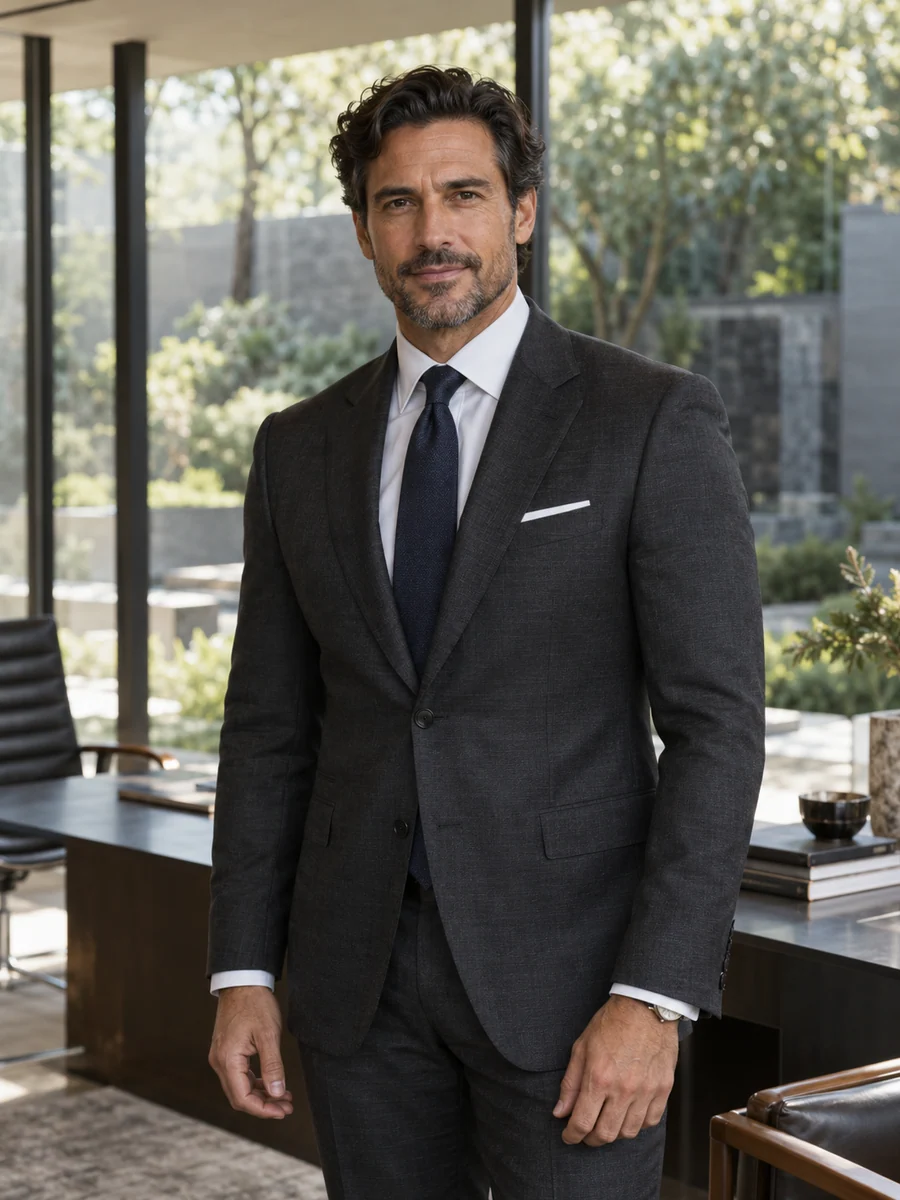
A route sheet promises a district that a bus will reach a stop at a set minute on every one of 180 school days. That promise rests on people who decide to return each morning, buses that pass their inspections and yards close enough to cover an absence. I judge operating decisions by whether they make that morning more dependable, not by whether they look efficient in a quarterly report.
Selected works
Decisions in context.
I
Turning split shifts into full-time driving days
In the 2021–22 school year our driver turnover reached 34%.
Matching twelve electric buses to routes they could finish
In late 2023 one of our districts won federal clean-bus grant funding for twelve electric school buses and asked us to operate them from our yard under the existing contract.
A transportation contract is only as reliable as the yard that must deliver it every morning, so I weigh each operating choice by what it does to drivers, spare buses and the distance to the first stop.
I am chief operating officer of Brellmoor Transportation Company, a third-generation family-owned contractor headquartered in York, Pennsylvania. We carry children to school for 44 districts in south-central Pennsylvania and northern Maryland, and we provide paratransit for riders with disabilities under contracts with two county transit authorities. In 2025 the company earned US$161 million and employed 2,350 people, most of them drivers, aides and technicians working from 17 yards. I am responsible for school routes, paratransit service, maintenance, safety and dispatch through six direct reports. Finance, human resources and the commercial relationship with each district report separately to our chief executive.
My working life began in 1993 as a scheduler at a public transit authority, building paratransit pickups around riders who could not use the fixed-route bus. I then ran motorcoach dispatch, managed a contracted paratransit service and joined Brellmoor in 2009 to open its paratransit division. Each step taught the same lesson from a different angle. Service failures rarely begin on the road. They begin with an empty driver's seat at a quarter to six, a bus held for a repair part or a yard placed too far from the stops it serves.
Three decisions on this site show how that view shapes my judgement. We turned split-shift school routes into full-time driving days at a cost our finance team questioned. We declined to rebid a district contract at the edge of our network and gave up its revenue. We put twelve electric buses on shorter routes than their sponsor wanted. Each choice had a price and colleagues who argued against it. I set out those disagreements beside the outcomes because our board, and any board I join later, should see both.
Driver turnover down from 34% to 21%
Combined days pairing school runs with midday paratransit work cost a net US$1.6 million a year. Uncovered routes on peak mornings fell from 61 to nine, and district performance deductions from US$412,000 to US$58,000.
A smaller map and a steadier morning
Leaving a US$4.1 million contract 48 miles from our nearest yard returned 29 buses to the core network. Routes arriving before first bell rose from 94.6% to 97.2% over two school years.
Electric buses matched to routes they could finish
Twelve grant-funded electric buses ran their first winter at 91% availability, against 96% for diesel, with energy costing US$0.31 a mile instead of US$0.57.
Current focus
I am rebuilding our fleet replacement plan around a fourteen-year school-bus life, the districts' own electrification plans and the electrical capacity at each yard, so that our board can see which yards could charge a larger electric fleet and which could not without major works.
Conversations I welcome
I would welcome a first independent board seat at a private company that depends on a large frontline workforce and a vehicle fleet, with about eighteen days a year available, subject to my chief executive's consent and a review of customer and supplier relationships.
The leadership record
Trusted with consequential decisions.
Formation
Bachelor of science in geographyHaverlocke State University · 1993
Master of business administration (part-time)Kestlebrook University · 2008
Charles brings our committee the uncomfortable numbers first. When he recommended leaving a district he had helped to win, he opened with his own part in the original bid. That candour made a hard decision quicker and cleaner.
Gwendolyn TarrabeeIndependent director and chair of the safety and operations committee, Brellmoor Transportation CompanyThe full record ↗
Contact
I would welcome a first independent board seat at a private company that depends on a large frontline workforce and a vehicle fleet, with about eighteen days a year available, subject to my chief executive's consent and a review of customer and supplier relationships.