Chief Information Officer India
The successful transformation still needed the right meaning
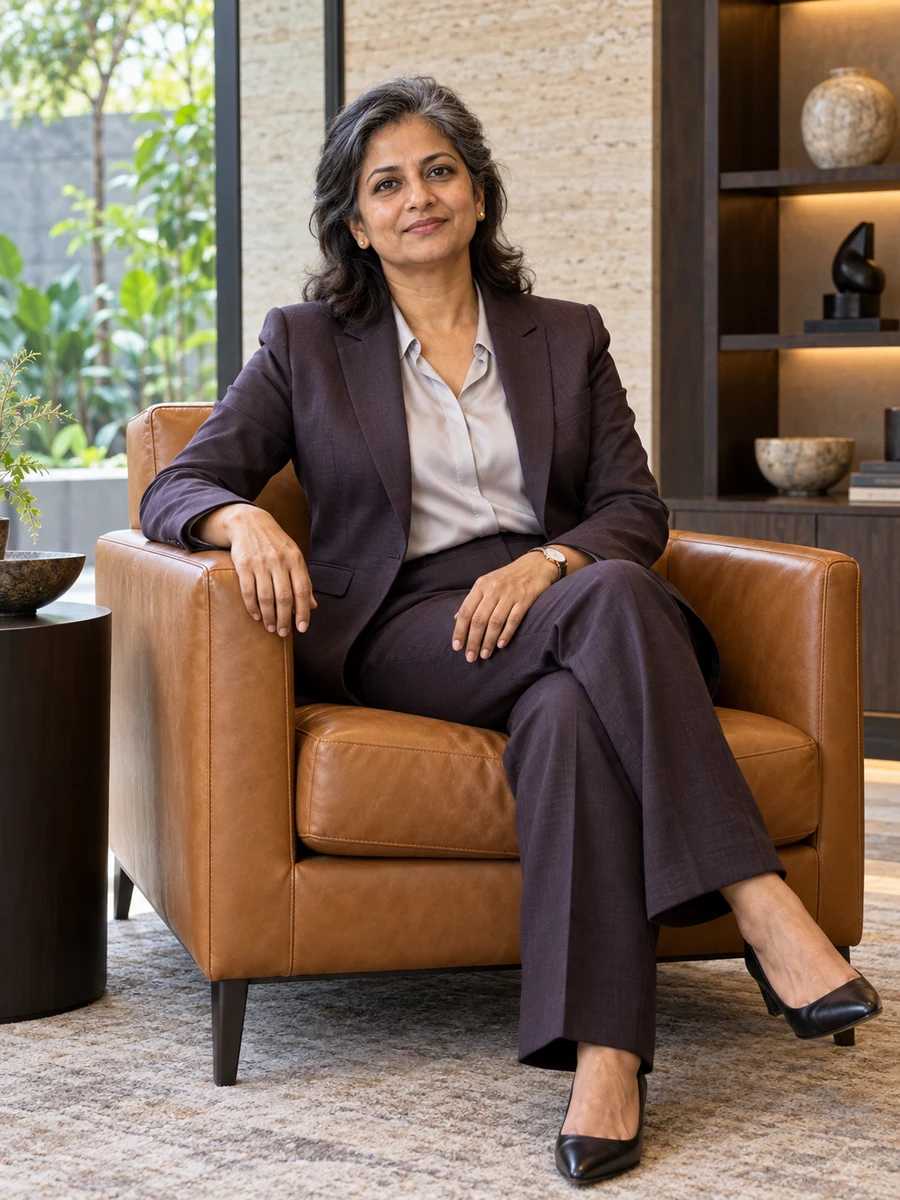
I began as a developer who took satisfaction in making an application behave consistently. A successful import, a reproducible conversion or a completed background job offered a clear result. Business-systems leadership gradually made that definition of success less comfortable. The software could do exactly what its transformation specified while changing the meaning of a date, detaching a number from its label or continuing to offer a document its owner had withdrawn. I had to learn to ask what the user was entitled to infer after the system had finished.
After computer-science studies at Zaqvrelhi Science College in May 1998, I joined Devlqari Business Systems in June. I worked in a seven-person application group under a technical lead. My work involved business forms and supporting records, with no authority to decide the customer’s contractual or accounting meaning. I learned to ask users about apparently ordinary fields because a label could conceal an assumption that the application team did not share. Early development work gave me the habit of tracing a visible result back to the transformation that produced it.
In April 2005 I became application team lead. Nine colleagues worked within ₹92 lakh annual delivery expense, while client project budgets and business approvals remained separate. I had to translate conversations between developers and the people who would rely on the system. A technical explanation could be correct yet fail to answer whether the customer’s task had been preserved. I wanted to follow that question beyond a supplier handover and into the continuing life of the business application.
Zarqevli appointed me business-systems manager in April 2011. Fifteen colleagues worked within ₹2.1 crore annual technology expense. The company’s industrial service administration depended on contracts, schedules, metering-service records and internal guidance, but the application team did not own the professional meaning of all those records. I worked with commercial and service owners to make acceptance a shared responsibility. That arrangement later became important when the technical completion of a migration concealed a change to calendar dates.
I became head of information technology in April 2017, leading twenty-four colleagues within ₹3.8 crore annual operating expense. In 2019 I approved the contract migration that converted date-only values through timestamp handling. The receiving display shifted twenty-four of eighty reviewed dates a day earlier. I had accepted the successful transfer as stronger evidence than it was. We suspended the affected reminders and corrected the representation with the contract owners. The mistake made business interpretation a more explicit part of my own release review.
Since April 2022 I have been CIO, reporting to Amit Qezlvani. Four leads manage thirty-two technology employees, with five external specialists separate from that count. Commercial-services head Nirmala Vazqerli helps establish the business meaning behind our acceptance questions. The table-conversion programme required us to preserve relationships between values and labels, including for users relying on assistive technology. A later withdrawal review required the retrieval route to stop offering guidance its owner had retired. In both cases the remaining problem was outside the narrow definition of a completed technical job.
The company has 318 employees and serves 120 business clients. FY2025–26 service revenue was ₹86 crore, which should not be confused with the value of gas handled under other parties’ supply arrangements. My annual operating expense is ₹5.7 crore and the approved change programme is a separate ₹1.9 crore. An industrial investor owns 54 percent, founders 31 percent and an employee vehicle 15 percent. I hold no personal equity or beneficial interest, and no statutory directorship. Technology leadership does not confer gas-operating, safety or contractual authority.
I would want another CIO role to give business owners a real voice in defining what a change must preserve. The question is not whether every technical decision needs a committee, but whether acceptance examines the meaning on which people will act. A first outside-board contribution would require further preparation and relationship assessment. I could help directors question the assumptions behind a digital-change claim without becoming a second application team. The experience I would bring includes an error of my own: a successful import was not the same thing as a correct business calendar, and I needed to change my approval standard after discovering the difference.
Open to Board appointments · Executive opportunities
Languages / Hindi · Urdu · English
A leadership conviction
A technically successful transformation is incomplete if it changes the business meaning that people are entitled to rely on.
- Corporate-technology employees
- 32
- Four leads; five external specialists counted separately
- Annual technology operating expense
- ₹5.7 crore
- Distinct ₹1.9 crore approved change programme
- Career since June 1998
- 28 years
- Business applications through enterprise information leadership
Education & credentials
- Bachelor of Science in Computer Science
- Zaqvrelhi Science College · 1998
Perspectives from colleagues
Rukhsana asked what the completed job meant to the colleague using the result. That changed our acceptance discussion from transfer counts to the business decision.
She kept the unresolved table outside the release and the retired documents inside the withdrawal review until the reading experience matched the owner’s decision.