Chief Technology Officer Australia
From the site shed to the server room and back
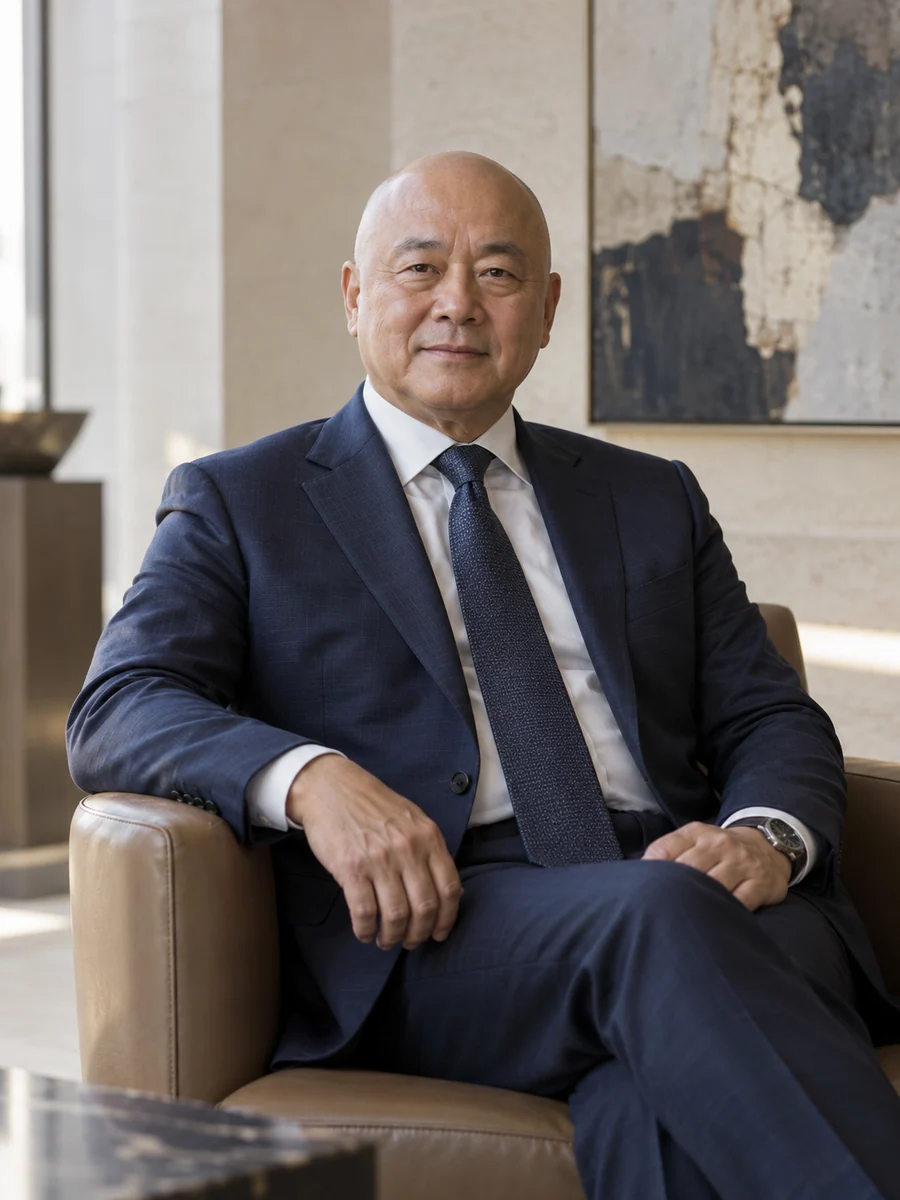
The first system I wrote that anyone relied on recorded which excavator had been on which job, for how many hours, so that a civil contractor in Newcastle could charge its clients correctly. I had finished a software engineering degree at Calderwyn Institute of Technology in December 1998 and joined Garrowby Civil in February 1999 as its second in-house developer. The site supervisors filled in paper dockets at the end of a long day. If my screen took longer than the docket, they went back to the docket. That was my first lesson in reliability, and it had nothing to do with servers.
I moved to Melbourne in 2003 to join Larkmoor Civic Systems, which sold permit and inspection software to local councils. Building permits, planning inspections and complaint records each carried legal deadlines and an audit trail that a council officer might have to defend years later. I learnt to treat a record's history as part of the product. When a customer asked why an inspection date had changed, the answer had to be in the system, not in an engineer's memory. I became a team lead in 2006 and ran six developers on the inspections product.
In 2009 I joined Wollerby Hosting in Sydney because I wanted to understand what happened to software after developers handed it over. I spent five years on infrastructure and the on-call rota, eventually leading a reliability team of eight. Our customers included retailers, councils and two hospitals. An outage meant a phone call at three in the morning and a written account the next day. I learnt to separate the timeline from the argument about fault, to test recovery rather than assume it, and to measure availability at the hours customers actually needed us.
Quorrindale found me in 2014. Its founders, Megan Pellacott and Colin Varnstead, were former site engineers who had built a sign-in and site-diary product that builders liked and that buckled under growth. I joined as engineering manager with nine engineers and annual revenue of A$4.8 million. My first year was unglamorous: proper backups, a release process that did not depend on one person, and monitoring that started at 5.30 am. I became director of engineering in 2017 and chief technology officer in July 2021, when Colin left to start a separate venture.
As chief technology officer I report to Megan, who is our chief executive. I present to the board each quarter and to its audit and risk committee on security, reliability and technology spending. I do not hold a directorship. Commercial terms belong to our revenue team, contracts and privacy advice to our general counsel, and site safety obligations to our customers. My task is to make the software dependable enough that those people can rely on it and honest enough that its limits are visible.
Australia changed the conversation about security in late 2022, when several large breaches put personal information about millions of people into the news. Builders who had never asked us a security question started sending forty-page questionnaires. Some of the questions were poorly aimed, but the underlying concern was fair: we hold workers' names, phone numbers, emergency contacts and training records for tens of thousands of people who never chose our product. I took that as a reason to fix weaknesses we had tolerated, including the way customer data was separated inside our database.
I lead a small engineering organisation by the standards of the companies our customers compare us with. Fifty-eight people cannot do everything, so most of my job is choosing. I keep about a fifth of each quarter for maintenance and debt reduction, and I defend it when a large deal appears. I ask every team to state the morning-hour consequence of a change before release. I also try to be the person who tells the board what we have decided not to do, because an unfunded risk should be known by those who carry final responsibility for it.
I am now looking for a first board role. I would bring a practical understanding of software risk, data obligations and the cost of reliability, alongside the humility of someone who has only ever presented to boards. I have much to learn about collective decision-making and about sectors I have not worked in.
Open to Board appointments · Advisory roles
Languages / English
A leadership conviction
A site manager at a locked gate with forty workers behind him does not care which component failed. He needs to know who has completed the induction, who holds the right permit and whether the day can start. I judge our engineering by that moment first, and by the elegance of our architecture a long way second.
- Annual revenue
- A$47.2m
- Year to 30 June 2026
- Active construction sites
- 1,850
- On a typical weekday
- Workers signing in each weekday
- 58,000
- Most between 6.00 and 7.15 am
Education & credentials
- Bachelor of Engineering (Software)
- Calderwyn Institute of Technology · 1998
Perspectives from colleagues
Edward brings the committee the rehearsal results that missed their objective as well as the ones that met it. When he wanted the dearer standby, he set out the cheaper option fairly and showed us which contracts it would have broken.
On the morning sign-in failed, Edward rang our site office himself before nine. He did not argue about whose fault it was. He asked what our foremen had needed at the gate and came back a fortnight later with changes we could see.
At Wollerby he was the engineer who wrote down what had actually happened during an outage before anyone was allowed to discuss blame. He measured success by the customer's lost hour, not by how clever the fix was.