Chief Technology Officer India
The quieter recording was not always better
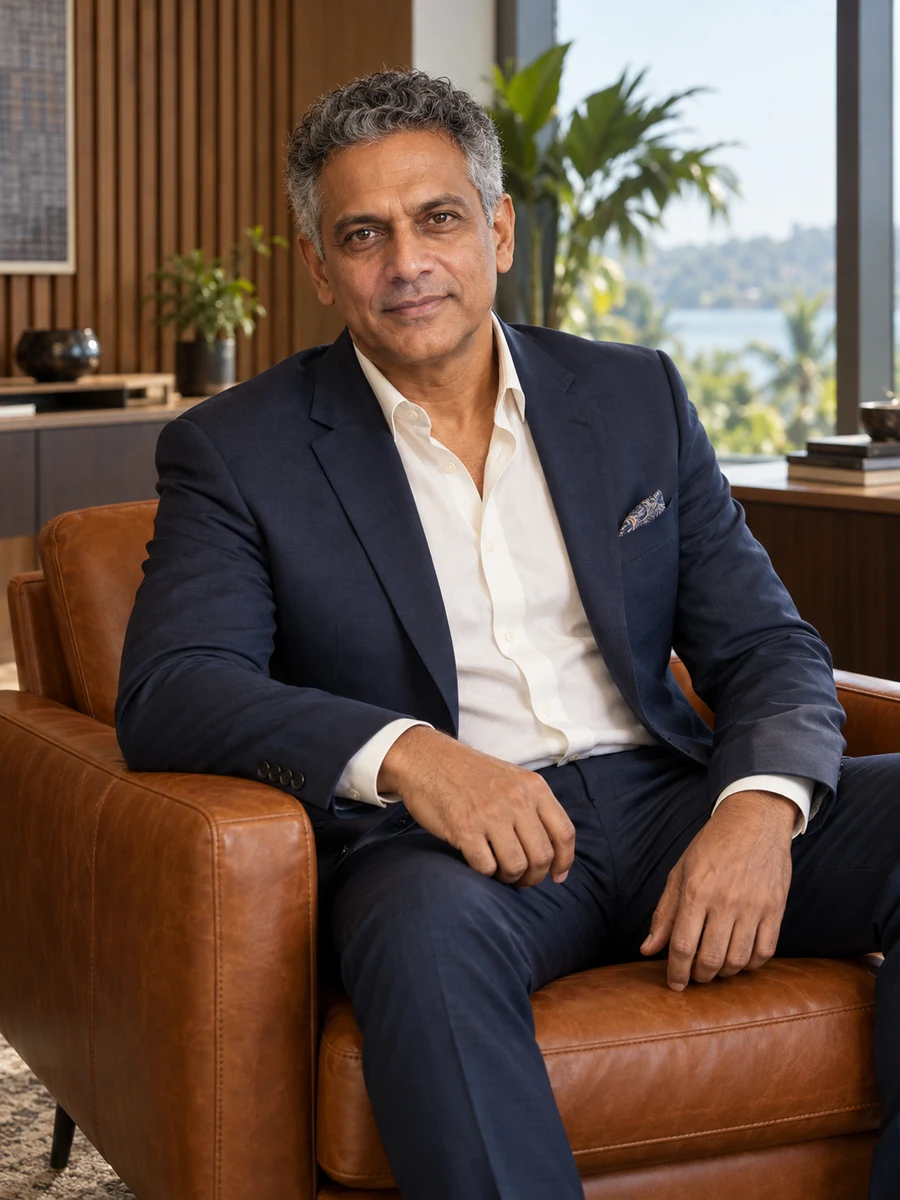
I completed electronics engineering at Terquvi Engineering College in May 1996 and joined Pazvuli Studio Tools in Panaji the following month. My first work involved audio-processing code and tests under a senior engineer. I enjoyed the precision of the calculations, but listening to the result quickly showed me that a technically consistent operation could still be unsuitable for the recording. A method needed an intended use, an input assumption and a way for the user to understand what it changed.
The early team was small enough that developers heard questions directly from studio users. An editor might describe a voice as thinner or a transition as unnatural rather than report a numerical failure. I learned to take those descriptions seriously and work with colleagues to identify the transformation behind them. That did not mean every preference could become a universal algorithm rule. It meant our tests needed to include the material and listening context in which the tool would be used, rather than only signals chosen because their behaviour was easy to measure.
In April 2003 I became audio-processing lead. I led nine developers and researchers, with responsibility for turning specialist work into features that other engineers could maintain. We had to decide which assumptions belonged in the interface and which could safely remain internal. I became cautious about controls labelled as a general improvement when their effect depended on the source. A stronger setting could remove more unwanted sound and more wanted detail at the same time. The product needed to make that trade-off understandable, not hide it behind a favourable average result.
I joined Velnuri Audio Software as product architect in April 2010. The company was building tools that moved recordings and session information between stages of production. Architecture broadened the problem beyond a processing algorithm. A file carried a rate, a duration, channels and other context; a session could depend on components whose availability changed over time. If the software discarded those relationships for convenience, the output might still open and sound plausible. I wanted the interface to say when it had transformed or omitted something the user might reasonably assume was preserved.
The head-of-engineering appointment followed in April 2016. I led forty-one engineers through three managers and became responsible for choosing which technical problems received sustained attention. Commercial colleagues understandably wanted clearer demonstrations and fewer warnings. I learned to distinguish a warning that merely described internal complexity from one needed to prevent a false expectation. We also began using authorised, varied production examples in release reviews, with careful limits on the claims drawn from that material. An attractive result on selected clips was evidence for further work, not a promise about every recording.
I became CTO in April 2021. Velnuri now has 180 employees and ₹76 crore FY2025–26 revenue. My engineering remit covers sixty-three colleagues through four heads and ₹21.4 crore annual expense. A separate ₹2.2 crore equipment programme is approved independently. Mira Daqlemi is CEO, and Rohan Selquri leads signal-processing research. I work with product and commercial owners, but the users of our tools retain their creative choices, rights responsibilities and publication decisions. I have presented technology matters to directors without holding a statutory appointment.
The sample-rate defect was a correction to an interface I had accepted. Sixteen of sixty-four reviewed imports were interpreted at the wrong rate. One sixty-second recording was treated as 55.125 seconds because its existing samples were assigned a higher rate rather than properly converted. We corrected the importer and funded ₹32 lakh of remediation. The case reminded me that metadata is not decoration around the audio: it can determine how the sample sequence becomes time and sound.
The noise-reduction review required a different kind of restraint. Seven of forty-eight dialogue clips lost wanted consonant detail at an aggressive setting. We delayed release and kept a manual path for material the automatic mode could not handle acceptably. The older-session review required another distinction: a rendered reference could preserve an authorised audible result without restoring every editable dependency. Nineteen of twenty-three affected sessions received such a reference, and four remained unresolved. I speak Konkani, English and Hindi. I want my next technical contribution to retain this willingness to narrow a product claim when the evidence demands it, rather than treat every limitation as a presentation problem.
Open to Board appointments · Executive opportunities
Languages / Konkani · English · Hindi
A leadership conviction
A waveform and a clean demonstration can persuade an engineer before the editor has heard what changed. I want us to preserve the context of the recording, make transformations visible and admit when a result requires a human choice. We earn trust when a user can understand the change we made, including the sound we chose not to remove automatically.
- Engineers in my remit
- 63
- Four heads; ₹21.4 crore annual engineering expense
- Company revenue
- ₹76 crore
- FY2025–26; 180 employees in March 2026
- Audio-software experience
- 30 years
- Processing development through technology leadership
Education & credentials
- Bachelor of Engineering in Electronics
- Terquvi Engineering College · 1996
Perspectives from colleagues
Joel made the release discussion include the four clips that still needed manual judgement. The commercial plan became more precise because the limitation stayed visible.
He asks what a transformation preserves, not only how strongly it acts. That gives research and product engineering a useful shared question.