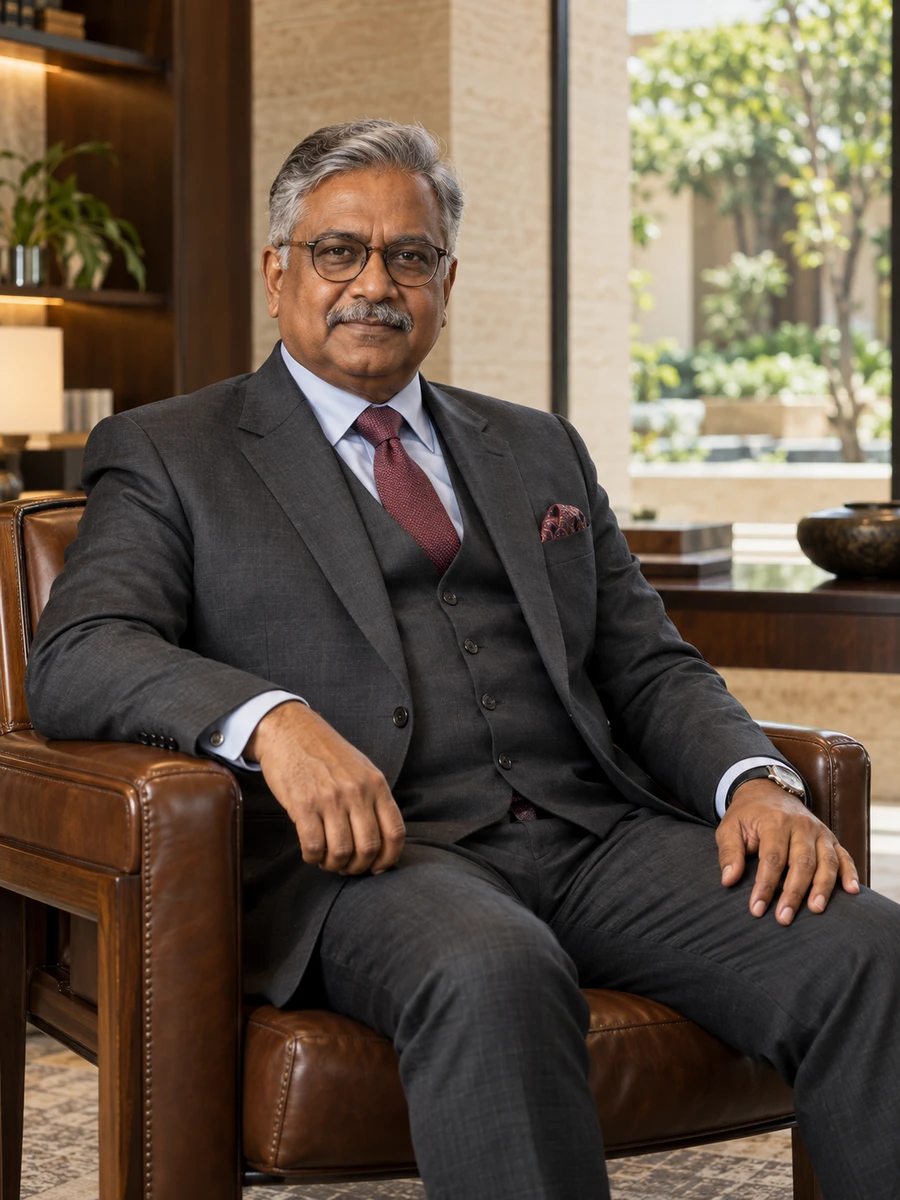
I lead people work at Zevrashi Industrial Valves in Hosur. Our 820 colleagues work across Hosur and Belagavi, manufacturing industrial process valves. An overseas industrial parent owns 70% following a 2020 transaction; regional founders retain 30%. Company revenue was ₹316 crore and operating profit ₹27 crore for FY ending March 2026. My team has 34 HR colleagues through five heads, with ₹8.6 crore annual function expense. I report to CEO Asha Qevthali and coordinate with the parent's people director, while Dev Qervani leads operations.
The distinction between coordination and authority matters to me. A group programme can cross borders faster than the responsibilities attached to an employment decision. An assignment can begin with a clear departure and an unresolved return. An interview recorded for colleagues can acquire an entirely different audience when a campaign team sees it. These are practical questions about what has been agreed, by whom and for which purpose. I work with operating and professional colleagues to make those questions visible before a convenient interpretation becomes a commitment.
My own record includes a poorly designed attendance award in 2016. Of 104 people excluded during its three-month assessment, 68 had only taken approved leave. I had endorsed a rule that made their authorised absence appear to undermine reliability. We stopped before awards were made, retaining ₹18 lakh of design and administration cost. I did not treat the remaining 36 cases as automatically justified exclusions. The experience changed my approach to the meaning a people measure acquires when it is used to reward, move or speak for an employee.
Approved leave had become a reason to withhold recognition
Sixty-eight of 104 exclusions in a three-month attendance scheme arose only from approved leave. I had endorsed the rule. We stopped the awards and retained ₹18 lakh already spent rather than present the scheme's neat result as a fair account of reliability.
The return from an assignment required its own plan
Among eighteen returning assignees, ten resumed agreed roles, four accepted different roles after their original positions ceased, two remained in bridging work and two left voluntarily. A ₹68 lakh transition programme did not turn those different outcomes into eighteen successful placements.
An internal interview was not automatically a public endorsement
Twenty clips from interviews with 72 employees were proposed for an external campaign. We withheld the twenty because specific external-use permission had not been established. A ₹31 lakh replacement-production budget preserved the boundary without claiming that all interviewees had refused.
Current focus
I am connecting group people programmes with the decisions and communications that make them workable for colleagues in India. The current questions include the authority behind an instruction, the return role behind an international assignment and the purpose attached to an employee's contribution. A written allocation or a revised process is only part of the work. Managers still need to explain what has changed, employees need an intelligible choice and unresolved cases must remain visible until they are genuinely resolved.
Conversations I welcome
I would explore a first outside-board role where industrial workforce experience and cross-border people judgement could complement existing skills. I have no statutory seat or equity. My fictional preparation records IICA registration in April 2026, with the assessment unfinished and no exemption. Twenty-two provisional days would require a realistic workload assessment, employer consent and qualified review of relationships before any commitment.