The person behind the perspective
What the installed machine taught me about the business
My first commissioning assignment lasted longer than planned because the customer's production pattern did not resemble the trial conditions we had prepared for. The equipment could perform the intended process, but the people using it needed a different sequence of checks and clearer guidance when the load changed. I was a junior engineer working under an experienced supervisor. I spent more time listening to the shift team than explaining the machine, and I began to understand how much of a manufacturer's reputation is formed after the sales team has left.
I joined Lianver Engineering in July 1996 after completing mechanical engineering at Qinver Institute. We supplied industrial equipment to component manufacturers. My work included installation checks, commissioning records and follow-up visits under the authority of the project lead. I had no power to change a customer's process independently or make a commercial commitment on behalf of the company. The role taught me to recognise when a useful observation needed to become a formal question for someone with the relevant responsibility, rather than an improvised adjustment made to keep the visit moving.
In March 2000, I became field-service manager. I led technicians who often knew an installation's history better than our central records did. Their judgement was valuable, but our dependence on particular individuals made service difficult to organise. I introduced a clearer record of recurring symptoms, prior interventions and parts decisions. The purpose was not to turn skilled work into a script. It was to ensure that the next technician could begin with what the company already knew and identify where fresh judgement was required.
I moved to Heshanrow Equipment as regional service director in September 2004. The business had a larger installed base and stronger pressure to convert customer relationships into new-equipment orders. I saw occasions when a repair would serve the customer well but appear unattractive under the sales team's measure of success. I began separating refurbishment opportunities from replacement opportunities in our commercial reviews. They had different economics and obligations. Treating the smaller order as a failed version of the larger one made it difficult to build a credible service proposition.
The thermal-equipment division's general-manager role followed in July 2008. A downturn soon tested whether my view of service would survive a broader profit responsibility. I protected the field network while reducing assembly overtime and excess rental space. The savings were smaller than a proposal that removed service capacity, and I had to explain that choice to group leadership. Customers with existing equipment still needed support even when they postponed new purchases. The appointment taught me to evaluate the installed base as a continuing business responsibility rather than a reserve of future sales leads.
I founded Wensharo Thermal Systems in April 2011 with a small engineering and service team. We began by designing equipment and supporting installations for customers whose requirements fitted the capabilities we could actually provide. I carried product, commercial and staffing decisions personally for longer than I should have. In the early years, that involvement helped us respond quickly. As the company grew, the same habit made managers wait for an answer and encouraged colleagues to resolve disagreement by finding a private moment with the founder.
By the time an institutional investor took a minority position in late 2018, we needed a more explicit organisation. I retained majority ownership, a separate chair was appointed and I became CEO in January 2019 under the revised governance arrangement. The title change was less important than the work that followed. We clarified twelve managers' decision remits and recorded the circumstances requiring escalation. I then had to change my own behaviour. A decision was not genuinely delegated if a casual conversation with me could silently overturn it before the responsible manager knew a question had been raised.
The apprenticeship programme was another investment in reducing dependence on individuals without diminishing their craft. Experienced technicians wanted to teach but were still expected to complete a full production workload. We funded protected teaching time and assessed practical progress over two years. Thirty-one of forty-two apprentices completed that stage, and twenty-seven remained a year later. Those figures include losses as well as progress. I would rather understand why people did not finish or stay than describe every intake as new capability from the day they join.
Our refurbishment work has also matured. In one reviewed cohort, we recommended repairs and upgrades where a new machine would have generated more revenue but was not the only sensible answer. We recorded the different commercial result openly. This did not establish that refurbishment is always preferable or that we can keep every installation operating indefinitely. It established that our service recommendation should be judged on its own evidence, rather than quietly bent towards the order our current incentive plan happened to reward more highly.
I now lead a company with 880 colleagues and two assembly sites. The work is increasingly about creating conditions in which other people can exercise capable judgement: reliable records, realistic authority, paid learning time and commercial measures that recognise the service offered. I remain closely interested in engineering, but my usefulness as CEO no longer depends on being the person who answers every engineering question. I want the company to retain what experience has taught it while giving another generation enough responsibility to improve the answer.
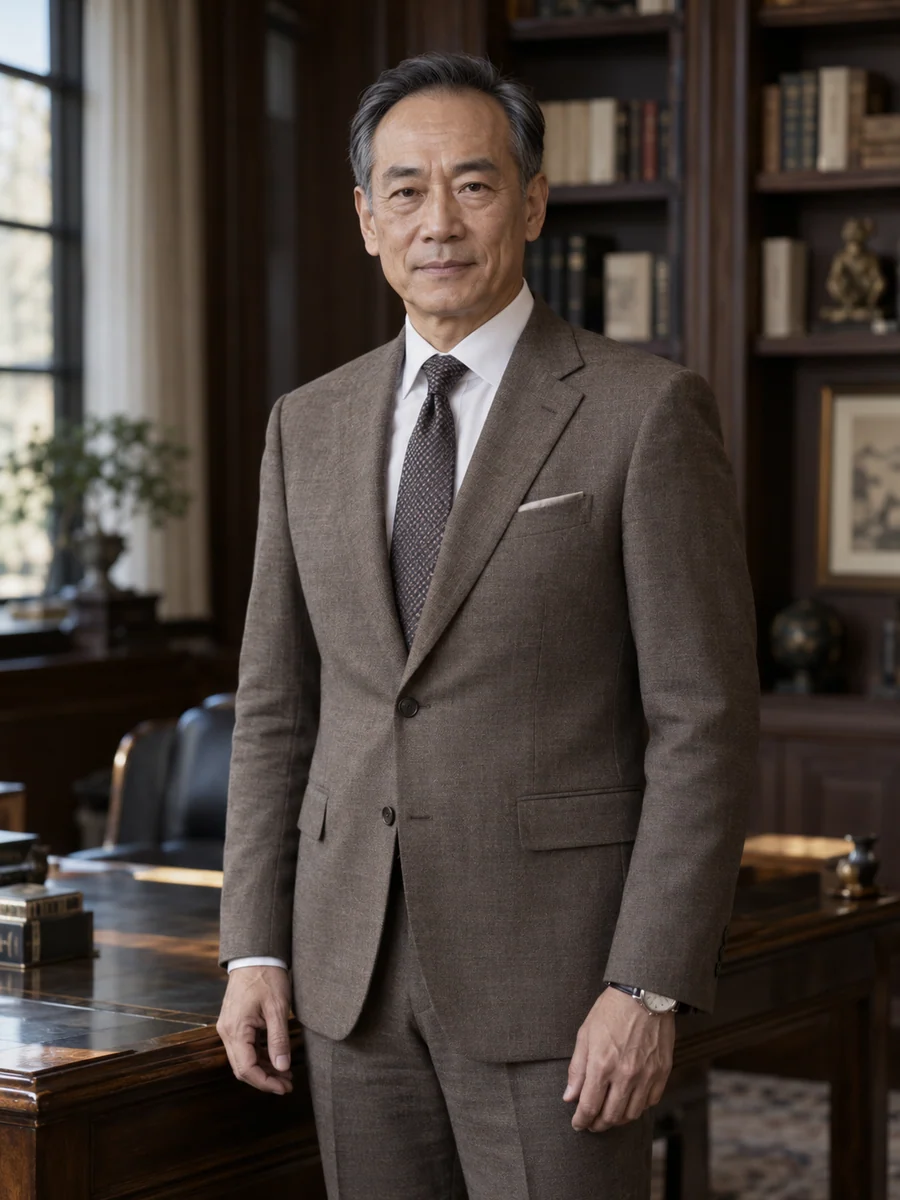
In my own words
I learnt the customer's business beside equipment that was already in use. That perspective still influences how I judge a new order, a repair recommendation and a training budget. A manufacturer cannot claim a long relationship with its installed base while organising every decision around the next machine sale. The way we pay, teach and delegate must support the service we say we intend to provide.
Haorun Xie
Education
Formation
- Bachelor of Engineering, mechanical engineeringQinver Institute1996
Working languagesMandarin · English