Chief Executive Officer India
Learning to see the undertaking around the building
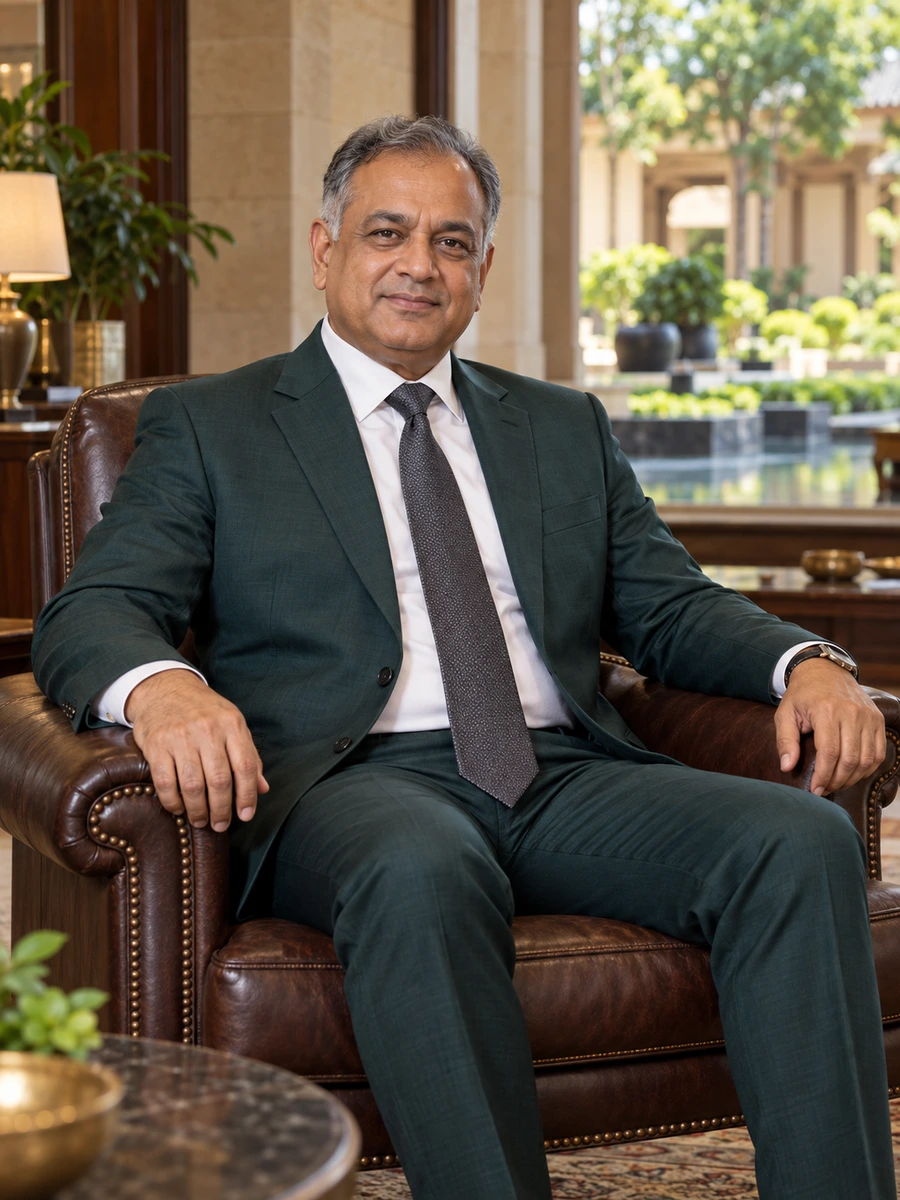
I remember the public calendar because it looked so clean. One event ended, the next began and the hall seemed to spend very little time empty. The installation and dismantling periods sat in separate working documents. I approved the sequence without requiring those documents to become one account of possession. When Rohan's team walked the transitions, four of eleven could not proceed as promised. We had created a commercial problem before any visitor arrived. Paying the agreed refunds and rebooking support was necessary; describing the mistake accurately was necessary too.
I grew up in Jabalpur and completed commerce at the fictional Norzavi Institute of Commerce in June 1992. The following month I joined Pevqari Event Services as a coordinator. The company had ninety employees and ₹6.8 crore revenue for FY ending March 1993. I worked in a six-person coordination group without staff or spending authority. The early tasks involved organiser requirements, supplier schedules and information passed between people who each held only part of the event. I learned that a date in a brochure was the visible end of a much longer sequence of commitments.
In June 1998 I became venue operations manager. Pevqari then employed 194 people and recorded ₹22 crore revenue for FY ending March 1999. Twenty-six colleagues worked through three leads within ₹2.6 crore annual expense. I had to make the service dependable while respecting the authority of qualified facilities and safety specialists. An organiser could have a strong commercial reason for asking for a late change without making the change immediately workable. I learned to explain the consequence and develop alternatives before a request became a promise someone else was expected to fulfil.
I joined Vemzari in September 2006 as head of estate development. It owned one campus, employed 105 people and reported ₹28 crore revenue for FY ending March 2007. Eighteen colleagues worked through three leads within ₹2.1 crore annual planning expense; project capital required separate approval. Moving into the property business changed my horizon. A successful event ended, but the owner continued to carry the building, its operating systems and its relationship with surrounding occupiers. I became interested in how a commercial proposition affected the estate between events, not only during them.
The COO appointment followed in July 2012. Vemzari had two owned campuses, 246 employees and ₹94 crore revenue for FY ending March 2013. I led 178 operating employees through five heads within ₹68 crore annual operating responsibility. The work made the interaction between bookings, facilities, staffing and customer commitments more visible. I wanted managers to bring a credible delivery sequence into the commercial discussion early. Later, as CEO, I failed to apply that lesson carefully enough when the attractive public calendar reached me. Seniority did not protect me from repeating a distinction I had understood in a smaller role.
January 2019 brought the chief executive appointment and an executive seat on Vemzari's board. Today seven executives report to me across two owned campuses and a third managed property, with 360 employees and ₹148 crore FY26 revenue. Nadia Zelvethi chairs the board separately. The family holding company owns 53% and the private fund 47%; I hold no shares. Rohan leads operations. Qualified property, engineering, safety, legal and finance owners retain their responsibilities within the enterprise decisions I bring to the board. The FY2026–27 operating plan is ₹112 crore, with a distinct ₹24 crore capital programme.
The 2022 calendar correction cost ₹1.2 crore in agreed refunds and rebooking support. A later anchor-organiser negotiation cost ₹38 lakh and produced a nonexclusive agreement with ₹6.2 crore annual fees for a different scope from the original ₹9 crore proposal. The smaller contract preserved a broader calendar but did not make future bookings certain. I wanted the board to see the commercial opportunity given up as well as the access retained. A diversity argument should not conceal the work needed to fill the remaining dates.
We also spent ₹2.4 crore examining a ₹168 crore third-campus ownership proposal before choosing a management mandate at a separately owned venue. Mobilisation cost ₹3.6 crore, and the first full FY26 management fee was ₹4.8 crore, included in our total revenue. Those figures do not describe an investment return on an owned property. The separate owner retained its asset and capital responsibilities, while we retained the obligations of the service we had agreed to deliver. A lighter ownership model was not a responsibility-free model.
My only statutory seat is the executive directorship at Vemzari. In this fictional record, IICA databank registration occurred in July 2026, assessment preparation remains unfinished and no exemption is claimed. Eighteen days is a provisional allowance for one possible external role, requiring board consent and a realistic calendar. I work in Hindi and English, with working Kannada developed in Mysuru. I would bring experience of a property whose value depends on the service and relationships around it. I would also bring a clear account of the calendar I approved too quickly, because that is where my own judgement most needed correction.
Open to Board appointments
Languages / Hindi · English · Kannada (working)
A leadership conviction
The commercial calendar must describe the undertaking the venue can deliver, including the time before the doors open and the obligations after visitors leave.
- Two owned, one managed
- 3 campuses
- 360 employees; ₹148 crore FY26 company revenue
- CEO reporting team
- 7 executives
- ₹112 crore FY27 operating plan; capital separate
- Events, operations and estates
- 34 years
- July 1992 entry; CEO and executive director since January 2019
Board & advisory record
Current appointments
Vemzari Venue Estates
Executive Director
Employer board; no committee-chair claim
2019–present
Education & credentials
- Bachelor of Commerce
- Norzavi Institute of Commerce · 1992
Perspectives from colleagues
Devendra brought the calendar correction to the board with the remedy cost intact. He did not ask us to confuse an attractive public programme with a supported possession sequence.
He accepted a smaller commercial promise when the full undertaking required it. That gave operating colleagues room to explain the conditions without being asked to turn a date into a technical approval.