Chief Technology Officer Japan
From the deposit programs I wrote in 1997 to the system that replaced them
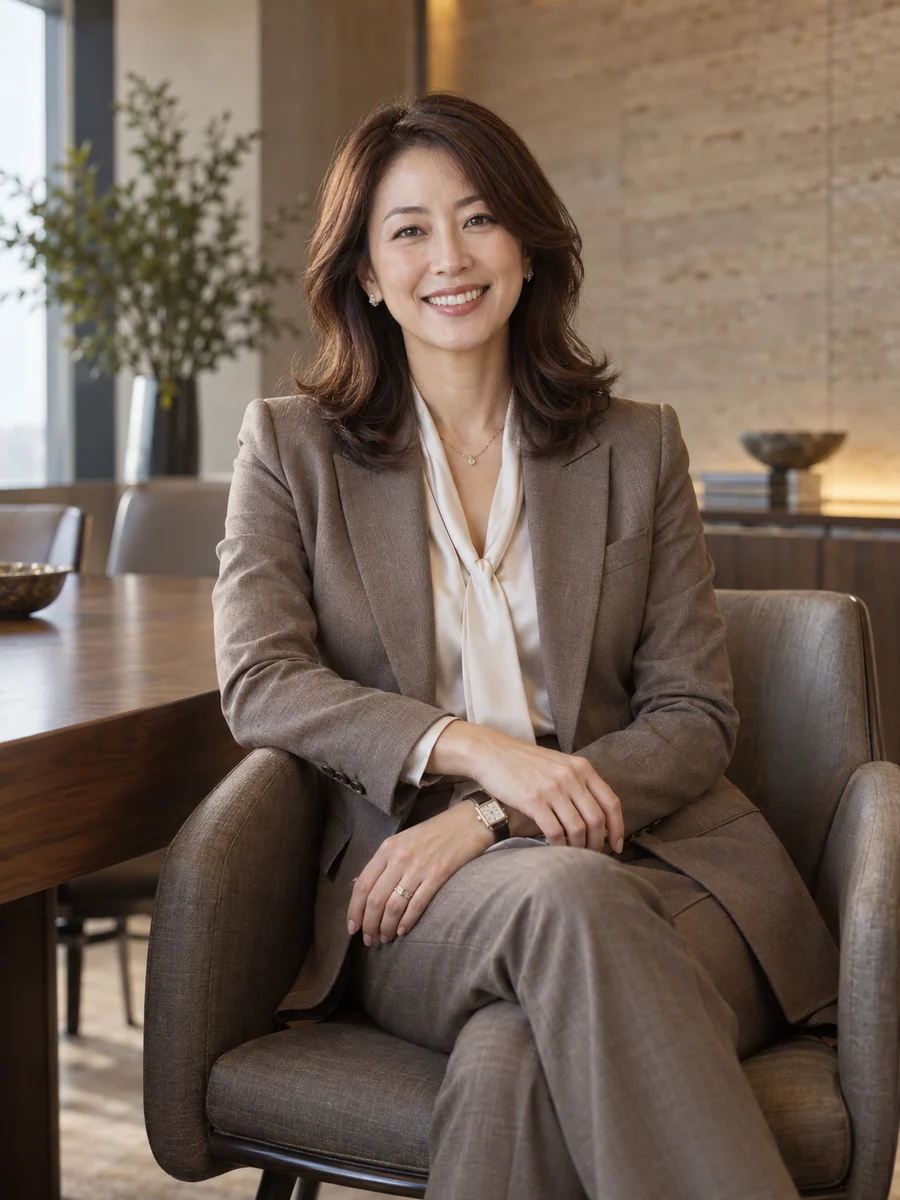
At about nine o'clock on a Monday morning in March 2008, the transfer service at Hanasato Net Bank stopped. I was the general manager responsible for IT operations. Our primary database server failed during the morning peak; the standby took over its role but not its connections, and for seven hours and twenty minutes customers could see their balances but could not move money. About 41,000 transfers were delayed, many of them rent and salary payments in the last fortnight of the financial year. We had tested that failover eleven times. We had never tested it under month-end load, with corporate salary files being processed at the same moment. I wrote the incident report to the Financial Services Agency myself, and I have read every continuity plan since with one question in mind: under what conditions was this actually tried?
I studied information science at Kiriake University and joined Kogetsu Information Systems in April 1995. Kogetsu built and maintained mainframe banking systems for regional banks and shinkin banks, and I learnt COBOL on deposit and loan applications that were already fifteen years old. In 1997 I spent eleven months on site in Niigata, writing and testing interest-calculation programs for Shiomine Bank's deposit system. I did not imagine that I would be the executive who switched those programs off twenty-eight years later. In 1998 and 1999 I reviewed date logic for two banks' year-2000 remediation and became a project leader. The work taught me that a bank's system is mostly a record of decisions somebody once made about customers, and that few of those decisions are written down where the next person will look.
In October 2001 I joined Hanasato Net Bank, an internet-only bank that had opened two months earlier. Its core ran on open systems rather than a mainframe and was built for transfers at any hour rather than within a branch day. I led core systems development and, from 2006, IT operations and security. We grew to 1.3 million accounts. After the 2008 outage we rebuilt failover around rehearsals under realistic load, and we moved every customer to one-time passwords as online fraud grew. I also completed an evening MBA at Hoshimizu Graduate School of Management in 2009, chiefly to learn how a finance director reads a technology proposal.
In July 2010 I moved to Seiran Card Services, a card issuer and merchant acquirer owned by a listed retail group, to lead payment systems. Card authorisation is unforgiving: a decision is needed in well under a second, millions of times a day, and fraud adapts to each new control within weeks. We rebuilt authorisation to run in two data centres at once, introduced real-time fraud scoring and helped our merchants move to IC-capable terminals. I became an executive officer in 2014. I also learnt how merchants experience payments, as fees, settlement delays and equipment, and that shaped my later decisions about Shiomine's own payment app.
Shiomine recruited me in April 2016 as general manager of systems planning. Hardware support for its mainframe would end in 2024, the engineers who understood the applications were approaching retirement, and the bank had to decide whether to rebuild its own core or join a shared system. I led the study. Rebuilding would have kept our freedom to design products and left us dependent on a shrinking group of specialists. Joining Kaname meant giving up most of our customisations and accepting a release calendar set with eight other banks. I recommended Kaname, the board approved it in December 2019, and in April 2020 I became the executive officer responsible for the Systems Division.
Kogetsu, my first employer, ran our existing system and bid to rebuild it. I told the president about that history before the selection began and did not score Kogetsu's proposal. I mention it because conflicts in technology purchasing are seldom about money. They are about familiarity, which is harder to see in oneself.
Since April 2023 I have been managing executive officer and chief technology officer. The migration moved 3.4 million accounts over the Golden Week holidays of 2025, four months later than planned, because I would not go live after a single clean rehearsal. Around it, we kept the knowledge of retiring engineers, rebuilt our backups after a restore test went badly, began using public cloud for analytics and closed a payment app that my own team had built at the president's request.
I lead by writing criteria down before the decision they will govern. Our go-live rule, our restore objectives and our cloud exit conditions were all agreed while nobody was under pressure to meet a date. Colleagues would say that I ask to see the test rather than the plan, that I am slow to give customers a date and that I prefer a short, plain incident report to a long and careful one. They would also say, fairly, that I carry problems myself for too long before asking for help, and I am working on that.
Open to Board appointments · Advisory roles · Speaking invitations
Languages / Japanese · English
A leadership conviction
I trust a banking system only as far as it has been tried under the conditions that will break it. Plans, recovery objectives and contracts describe intentions; rehearsals, restores and exits describe capability. My work is to close the distance between the two before customers discover it, and to tell the board plainly when I have not yet closed it.
- Deposits running on the shared core
- ¥5.5tn
- Shiomine Bank, March 2026; 3.4 million accounts moved in May 2025
- Annual technology spending
- ¥14.2bn
- Year to March 2026: ¥9.6bn running, ¥4.6bn change
- Measured restore time for critical systems
- 9h 40m
- Isolated 2025 test, against 61 hours in 2023
Board & advisory record
Current appointments
Koshiji Digital Skills Foundation
Non-executive director
Chair of the programme and finance review
June 2021–present
Education & credentials
- Bachelor of Engineering in information science
- Kiriake University · 1995
- Master of Business Administration (evening programme)
- Hoshimizu Graduate School of Management · 2009
Perspectives from colleagues
Kaori came to me in November 2024 with letters already in our customers' hands and asked me to move the date anyway. She had written the rule that required it eighteen months before, and she showed me exactly what keeping it would cost. I have not regretted agreeing.
When the restore test took sixty-one hours, Kaori brought the figure to our committee herself, before internal audit could. We now see the measured time every year beside the one in the plan, and she has never asked us to look only at the second.
I expected to spend my last years at the bank maintaining code nobody would need. Kaori paid me to explain why the harvest loans worked as they did, and then made the lending division sign what I had explained.