Chief Product Officer India
The household behind the orderly timeline
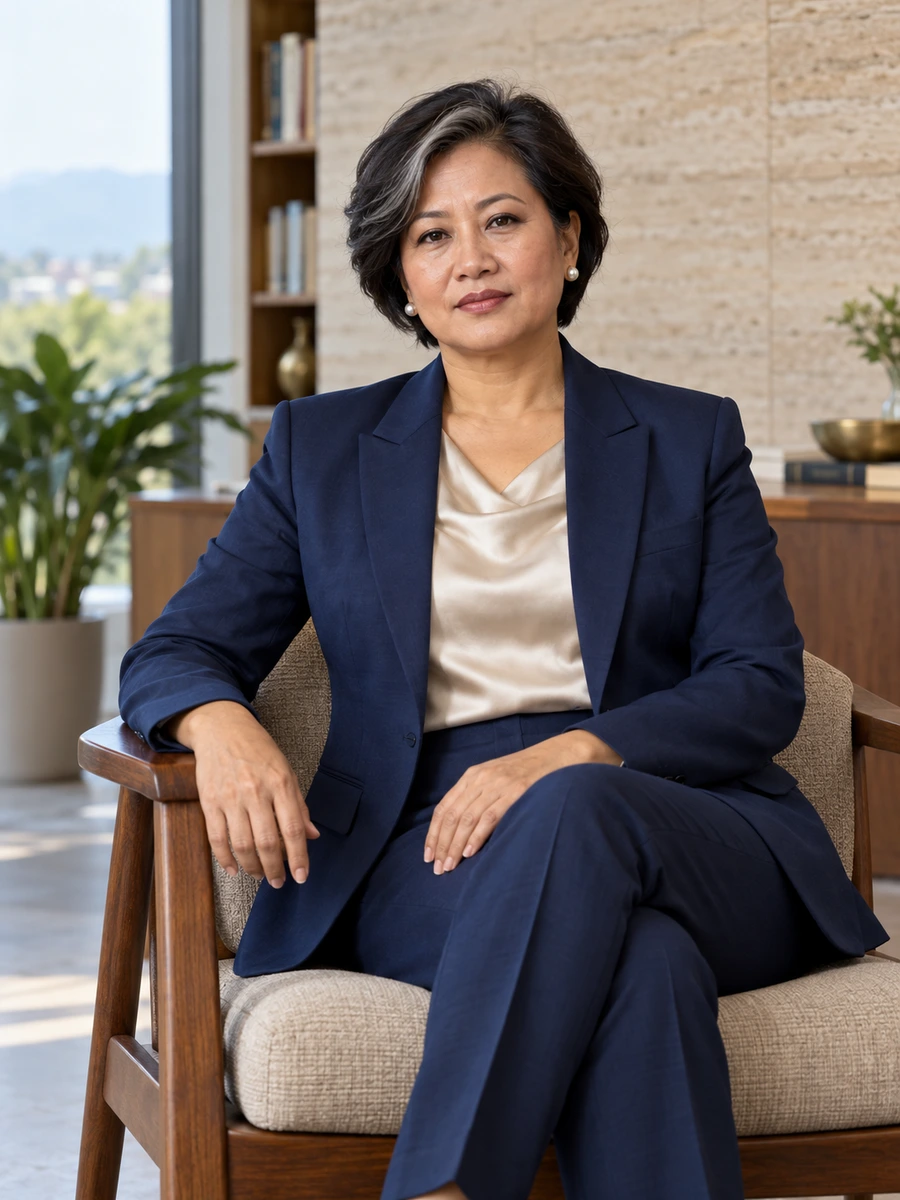
The single moving date looked like a good product decision because it made the timeline easy to understand. I approved it. When we studied thirty-two households, twenty-one described their move in stages and eleven as one event. The product had made the screen simpler by making the household's situation harder to represent. A work start date, a later departure and the movement of belongings could be related without being the same decision. I needed to change the model I had endorsed, not ask support colleagues to explain away the differences.
I grew up in Aizawl in a Christian Mizo family and completed design at the fictional Qemvuli Design College in June 1996. That July I joined Vezmari Service Design as a service analyst. It had fifty-two employees and ₹8.4 crore revenue for FY ending March 1997. I worked in a six-colleague research group under its manager, without reporting staff or spending authority. Observing how people completed ordinary service tasks taught me to notice the work that a clean process diagram could leave outside its frame.
In March 2003 I became product manager at Vezmari. The enterprise employed 106 people and recorded ₹26 crore FY 2004 revenue. Eight colleagues worked through two leads within ₹72 lakh annual expense, and I reported to the head of service design. I became responsible for choosing what the product would ask people to do, rather than only documenting where they struggled. A design could remove a step for one user while creating a task for someone else. I learned to follow that transfer before describing the change as an improvement.
I joined Zevquri Move Planning in September 2009 and moved to Coimbatore. The company employed forty-eight people and recorded ₹7.5 crore FY 2010 revenue. Six product colleagues worked through one lead within ₹51 lakh annual expense, and I reported to the head of product. Relocation planning brought several people's decisions into one service. A household might be coordinating a new job, temporary accommodation, belongings and provider arrangements. Our software could help organise that work, but it did not become the carrier, the employer or the owner of every decision simply by displaying the plan.
The head-of-journey-products appointment began in June 2015. Zevquri employed eighty-four people and recorded ₹14 crore FY 2016 revenue. Twelve colleagues worked through two leads within ₹1.6 crore annual expense, and I reported to the CEO. The remit connected the household experience with employer-sponsored access and service support. I learned that the organisation paying for a product may have a legitimate need to see progress without needing every private detail inside the household's plan. That distinction became more important as the product served several relationships at once.
I became CPO in February 2021. Today twenty-three colleagues work through three leads with ₹3.8 crore FY 2026–27 operating expense and a separate ₹1.3 crore capital programme. The company has 144 employees and ₹32 crore FY 26 revenue. Founders own 31%, a strategic investor 49% and an employee vehicle 20%; I have no personal or vehicle allocation. Arun Qelzuni is CEO and Fatima Zenvathi leads service operations. We license software and planning support to employers and adult households. Independent providers retain their quotations, schedules, acceptance, transport and safety decisions, and households contract with them directly.
The phased-move redesign cost ₹39 lakh. A distinct pilot with twelve households found nine able to complete the planning task without help and three needing assistance. I keep those limits in the account. The pilot did not demonstrate completed moves or establish a market-wide preference. It showed how the revised planning model worked for that small group and where support remained necessary. The more complex product also required us to explain the relationship between stages rather than rely on one reassuring date.
A later sponsor-view review examined forty-eight prototype plans. Seventeen included private-inventory detail beyond the intended employer scope. We allocated ₹24 lakh to permissions work, corrected sixteen and withheld the remaining preview until its issue could be resolved. The case concerns a design review, not disclosure of real household records. Another study found fourteen of forty participants unable to complete a photo-only inventory task. Text and optional reviewed voice input broadened the available approaches without making photography disappear for those who found it useful.
The latest case concerns resuming a paused plan. In thirty-four prototype sessions, twenty-one people expected the old provider price to remain current and thirteen understood that it needed refreshing. We separated the historical quotation from the request for a new provider confirmation. A separate later group of thirty users included twenty-five who understood that distinction and five who still needed help. We did not convert the difference into a causal improvement or claim that a provider had accepted a booking merely because the plan resumed.
I speak Mizo and English, with working Tamil. In this fictional career, IICA registration began in March 2026 and the proficiency assessment was passed in September 2026; no exemption is claimed. I have no statutory directorship and provisionally reserve twenty-four days for a first external contribution. I would bring questions about the people, permissions and commitments represented by a product, while learning the proposed enterprise's wider responsibilities. My own single-date approval remains in the story because it shows how easily a useful simplification can become a demand that users reshape their lives around the software.
Open to Board appointments · Advisory roles
Languages / Mizo · English · Tamil — working proficiency
A leadership conviction
A product should help people make the next decision without pretending that their whole situation has become simpler. The part we can organise must not quietly take ownership of the parts that remain theirs.
Education & credentials
- Bachelor of Design
- Qemvuli Design College · 1996
Perspectives from colleagues
As CEO, I saw Miriam change the single-date model she had approved. She retained the simple path where it fitted while making room for households whose decisions genuinely happened in stages.
I lead service operations alongside Miriam. She kept the five assisted inventory tasks in the review and asked what the product still needed to explain, instead of making support the invisible answer to every remaining difficulty.