Chief Executive Officer Europe
What a river taught an actuary about price
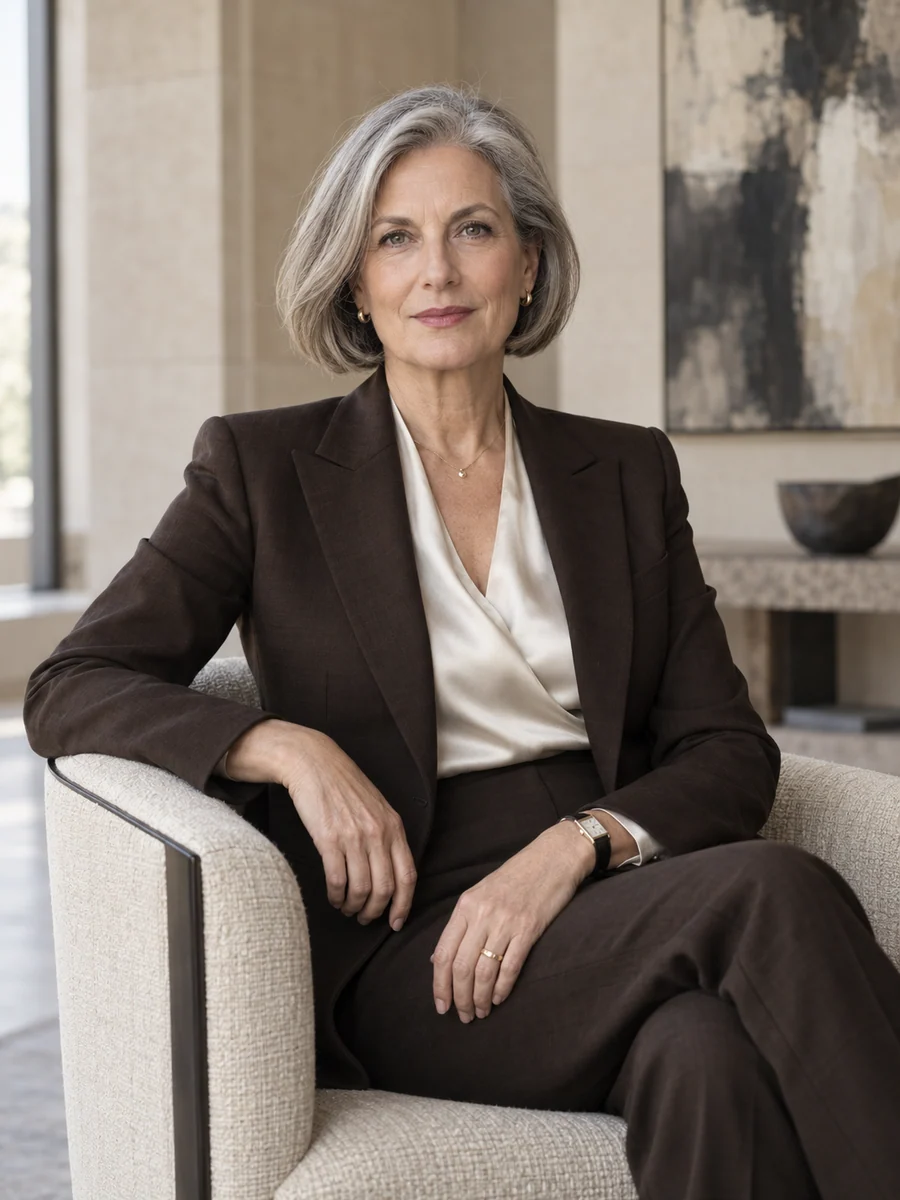
In August 2002 I was a pricing actuary at Feldrath Versicherung in Cologne, and the Elbe was flooding towns I had only seen on a map. Over the following weeks our claims colleagues sent me loss figures for commercial property policies in Saxony. Almost none of them had been priced with any regard to where the building stood. Our tariff charged a bakery on a riverbank roughly what it charged a bakery on a hill. Nobody had decided that this was fair. It was simply the way the tariff had been built, and I had been maintaining it for almost a year without asking the question.
That experience shaped most of what followed. I was born in 1973 in Lower Saxony and studied mathematics at Weserfeld University, completing my diploma in 1998 with a thesis on extreme-value statistics. My first employer was Raue Aktuarberatung, a small actuarial consultancy in Cologne, where I spent three and a half years reviewing claims reserves for mid-sized insurers. The work taught me to read an insurer through its reserving triangles before reading its strategy papers. It also taught me that a consultant can be right and still change nothing. I wanted to work where the decisions were made.
Feldrath gave me that in October 2001. I priced commercial property and qualified as an actuary in the evenings, finishing in 2002. After the Elbe flood I built a zoning model for our commercial tariff and argued for it for two years. Part of it was adopted. The more ambitious part, which would have raised prices sharply for a few thousand riverside businesses, was not. I understood the objection better later than I did at the time: the sales director was asking who would explain the increase, and I had no answer beyond the model.
In July 2006 I moved to Carlsholm Re in Zurich to write natural catastrophe treaties for insurers in Germany, Austria, the Netherlands and the Nordic countries. I became head of that portfolio in 2009. Reinsurance showed me the primary market from underneath. I saw which insurers understood their accumulations and which bought protection to avoid having to. Windstorm Kyrill, in January 2007, was my first large event on the reinsurance side. The cedants whose exposure data was good were paid quickly; the others spent months arguing about what they had actually insured. I have never since treated data quality as a back-office matter.
By 2012 I wanted to own a result rather than share in other people's. Veldhoorn Verzekeringen, a Dutch commercial insurer owned by a Belgian bancassurance group, recruited me as director of commercial lines in Rotterdam. It was my first general-management role, with 340 colleagues and €1.25 billion of premium. I learnt Dutch, learnt how much of a commercial insurer's success depends on brokers, and learnt that a technically correct price that brokers cannot explain will not survive a renewal season. The hailstorm that struck glasshouse growers in the southern Netherlands in June 2016 tested the repricing we had done in that segment two years earlier. The losses were severe, but they fell within what we had planned for.
I joined Talvermark's management board as chief underwriting officer in January 2017 and became chief executive in April 2021. The supervisory board appointed me three months before the July floods in Germany and Belgium, which cost our commercial book €310 million gross. My first year was dominated by the question I had been unable to answer in 2002: if flood risk is to be priced honestly, who explains the price and what do we offer the customer besides a larger bill? Our answer combined hazard-based rates with a prevention credit and survey funding. It is the subject of the first essay on this site.
I am known inside the company for asking for the second number. When a paper reports a favourable ratio, I ask what it looks like on the other basis, in the other segment or before the adjustment. That habit decided how we report the combined ratio under IFRS 17, and it shaped our review of delegated authority. It can be tiring for colleagues, and I try to ask the question once, early, and then let the people who own the work answer it.
I lead through a small management board of five and a wider leadership group of thirty. I write my own papers for the supervisory board when a decision is contested, because I think the person asking for a difficult decision should be the one who has to set out the arguments against it. With the board, I aim to bring disagreements forward rather than settle them beforehand. Our employee representatives opposed the motor sale, and I wanted their objections in the minutes in their own words.
Outside work I sing in a choir in Hamburg and walk the dykes along the lower Elbe, which are a useful reminder of what a flood defence costs to maintain. I speak German, English and Dutch. I am looking for one external board role where my understanding of physical risk, capital and pricing would serve a company that is not an insurer, and where the time it requires is compatible with the job I already have.
Open to Board appointments · Speaking invitations
Languages / German · English · Dutch
A leadership conviction
Insurance is a promise about the future sold at a price agreed today. When we cannot state that price openly to a customer, an investor or a supervisor, it usually means we have stopped understanding the risk. I would rather lose a contract by explaining a price than keep it by hiding one.
- Insurance revenue
- €5.1bn
- Talvermark SE, 2025
- Solvency II ratio
- 192%
- Year-end 2025; board range 170% to 210%
- Undiscounted combined ratio
- 95.8%
- 2025; 92.3% after discounting
- Insurance and reinsurance
- 28 years
- Actuarial, treaty underwriting and general management
Board & advisory record
Current appointments
Talvermark SE
Chair of the management board
Reports to the supervisory board and its audit and risk committees
April 2021–present
Talvermark Österreich AG
Chair of the supervisory board (intra-group)
June 2021–present
Education & credentials
- Diploma in mathematics
- Weserfeld University · 1998
- Actuarial qualification, non-life
- Brunnhalde Actuarial Institute · 2002
Perspectives from colleagues
Anika brings the board the argument against her own recommendation, written as well as the argument for it. On the motor sale and on our reporting under the new accounting standard, that made our decisions slower to reach and much easier to defend afterwards.
I argued for leading with the discounted combined ratio, and I still think the case was reasonable. Anika heard it fully, explained why she disagreed and then gave me the job of building the bridge. Two years on, that bridge is what analysts ask us about least, because it simply works.
When Anika ran our commercial lines, she spent her first months with brokers rather than spreadsheets. The glasshouse repricing was unpopular when she proposed it. It looked rather different after the hail in 2016.