Chief Product Officer India
Nine appointments changed how I understood a confirmation
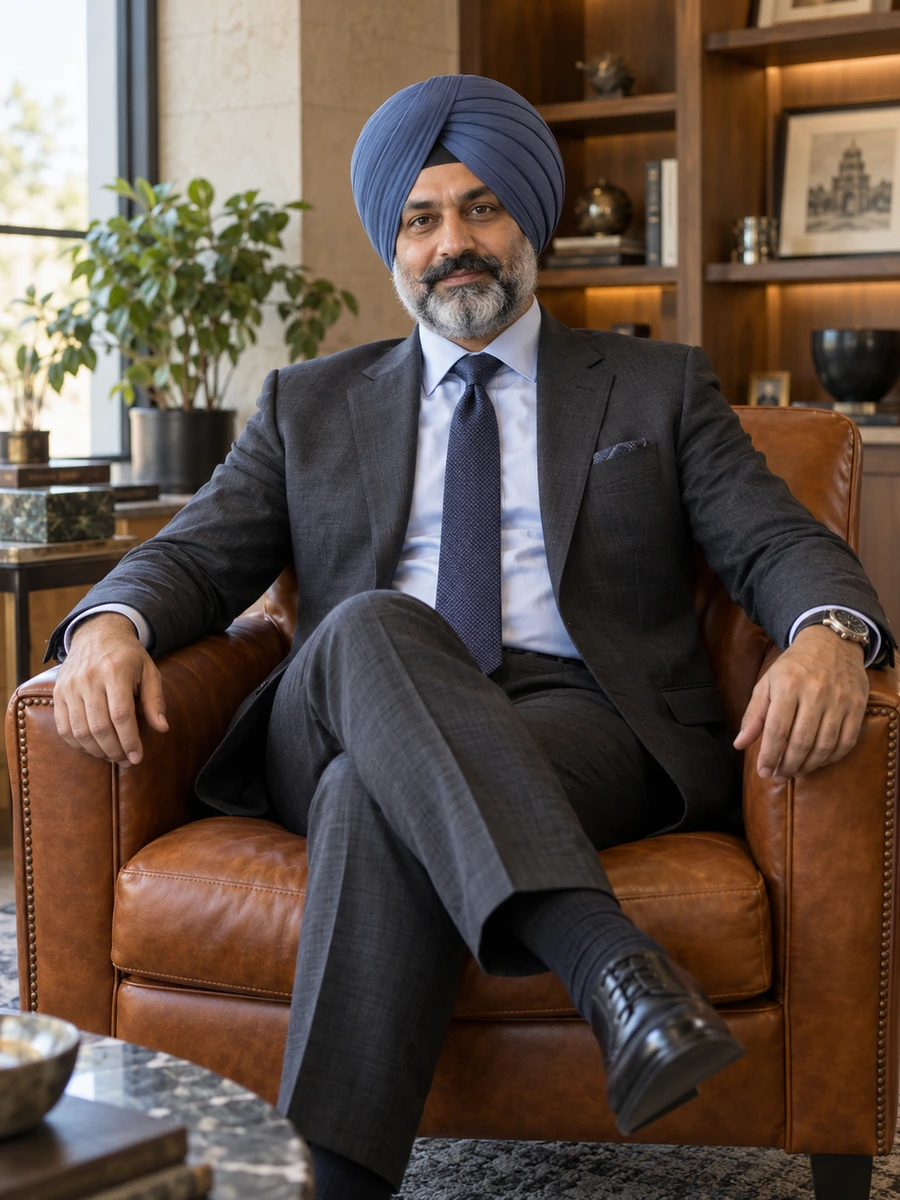
Nine appointments looked valid in the rehearsal until someone checked the room. The product had reserved the practitioner but not every resource needed for the appointment. We had made one part of the booking easy and left the rest as an informal obligation for clinic staff. I regard that discovery as a useful correction to my own product instinct: the cleanest path through a screen is not necessarily the clearest promise to the people who must deliver the service.
I was born in 1975 and completed computer engineering at Dorzavi Engineering College in May 1998. That July I joined Nervoshi Scheduling Tools in Jalandhar as a software engineer. The business employed sixty-two people and recorded ₹7.6 crore revenue in FY 1998. I worked in an eight-person engineering group without independent spending authority. I learned how a calendar rule could appear sensible in isolation yet fail when it met the exceptions of a working organisation. The support conversation often explained more than the original request for a feature.
In October 2004 I became a product analyst at Nervoshi and progressed to product manager in 2007. The company employed 140 people and recorded ₹22 crore revenue in FY 2004. After promotion I led seven colleagues with ₹86 lakh annual function expense. I completed a part-time postgraduate diploma in product management at Kervoni Product Institute in November 2009 while remaining employed. My work moved from implementing a scheduling rule to deciding which rule should exist and how its limitations should be explained to a customer.
I joined Belthari Access Software as product director in February 2011. The company had 205 employees and ₹41 crore revenue in FY 2011, serving regional organisations that managed appointments and access requests. I led sixteen colleagues through three leads with ₹3.2 crore annual expense. Research sessions showed me how easily a successful demonstration could conceal a difficult return visit or an inaccessible alternative path. I began asking teams to observe the whole task, including recovery from an interrupted or mistaken action, before describing the experience as finished.
In August 2017 I moved to Kelqora Clinic Software as vice-president of product. Kelqora employed 220 people and recorded ₹58 crore revenue in FY 2017. I led twenty-five colleagues through three leads with ₹6.1 crore annual expense. The provider setting made the difference between an administrative appointment and a clinical decision especially important. We could help staff coordinate a room, practitioner and available time; we could not use the scheduling product to decide whether a person's clinical need should take priority. Clinical-workflow adviser Madan Qervali helped the team recognise where an apparently small feature request crossed that boundary.
I became CPO in January 2022, reporting to CEO Saira Venqari. Our current thirty-eight-person product, design and research function works through four leads, with ₹9.4 crore annual expense and ₹2.1 crore approved investment. Kelqora now serves 186 clinic organisations across three northern regions and employs 310 people. Working founders own 46%, an employee trust 19% and a regional software investor 35%. I am accountable for product choices and their support implications, while engineering and provider clinical teams retain their respective authorities.
Recent work has made that division more concrete. We changed the reservation model after nine resource clashes in a sixty-appointment rehearsal, separated an expiring waitlist offer from a confirmed replacement and improved a keyboard route after a defined usability exercise. We also made the recipient of a consequential staff change visible instead of assuming that saving it completed the handoff. I approved spending and accepted displaced roadmap work; colleagues in engineering, research and clinic operations made the changes possible. The results remain bounded by the populations we observed.
I do not currently hold a statutory directorship. I registered with the IICA independent directors databank in April 2026 within this fictional career and have not passed its proficiency assessment or claimed an exemption. I am preparing for a possible first seat by examining how directors question management choices without taking over the product backlog. Twenty days annually is a provisional allowance, not evidence that every opportunity would fit. I would want a chair to understand my operating experience, my limits and the conflicts that could arise from a software supplier's relationships before treating the appointment as a practical proposition.
Open to Board appointments
Languages / English · Punjabi · Hindi
A leadership conviction
The most attractive appointment on a screen is useless if the people and room needed for it have not been reserved. I want a product to make a clear commitment, show its conditions and give staff a workable way to revise it. Faster completion is valuable only when the resulting promise is one the service can honour.
- Engineering and product experience
- 28 years
- Career begins July 1998
- Product, design and research colleagues
- 38
- Led through four leads
- Annual function expense
- ₹9.4 crore
- ₹2.1 crore approved product investment
Career chapters
January 2022 – Present 01
Chief Product Officer
Kelqora Clinic Software
Leads product, design and research with explicit boundaries between administrative scheduling, engineering and provider clinical decisions.
August 2017 – December 2021 02
Vice-president of Product
Kelqora Clinic Software
Built product judgement around the commitments and handoffs inside clinic appointment coordination.
February 2011 – July 2017 03
Product Director
Belthari Access Software
Led access and appointment product work, including research into interrupted tasks and alternative interaction routes.
October 2004 – January 2011 04
Product Analyst; Product Manager from 2007
Nervoshi Scheduling Tools
Moved from implementation into product decisions, later leading seven colleagues while studying part-time.
July 1998 – September 2004 05
Software Engineer
Nervoshi Scheduling Tools
Worked in an eight-person engineering group on scheduling rules and the exceptions found in customer support.
Education & credentials
- BE in Computer Engineering
- Dorzavi Engineering College · 1998
- Postgraduate Diploma in Product Management
- Kervoni Product Institute · 2009; part-time
Perspectives from colleagues
Jasdeep brought the resource-reservation problem back to the executive team with the cost of changing the release and the cost of leaving manual coordination with customers. He made the displaced reporting work part of the decision instead of presenting the new feature as a free improvement.
He kept the scheduling product's administrative promise separate from clinical judgement. Our discussions about rooms, offers and handoffs did not turn into claims that the software could decide treatment priority or establish a clinical result.