Chief Operating Officer India
The furniture fitted the patio but not the route
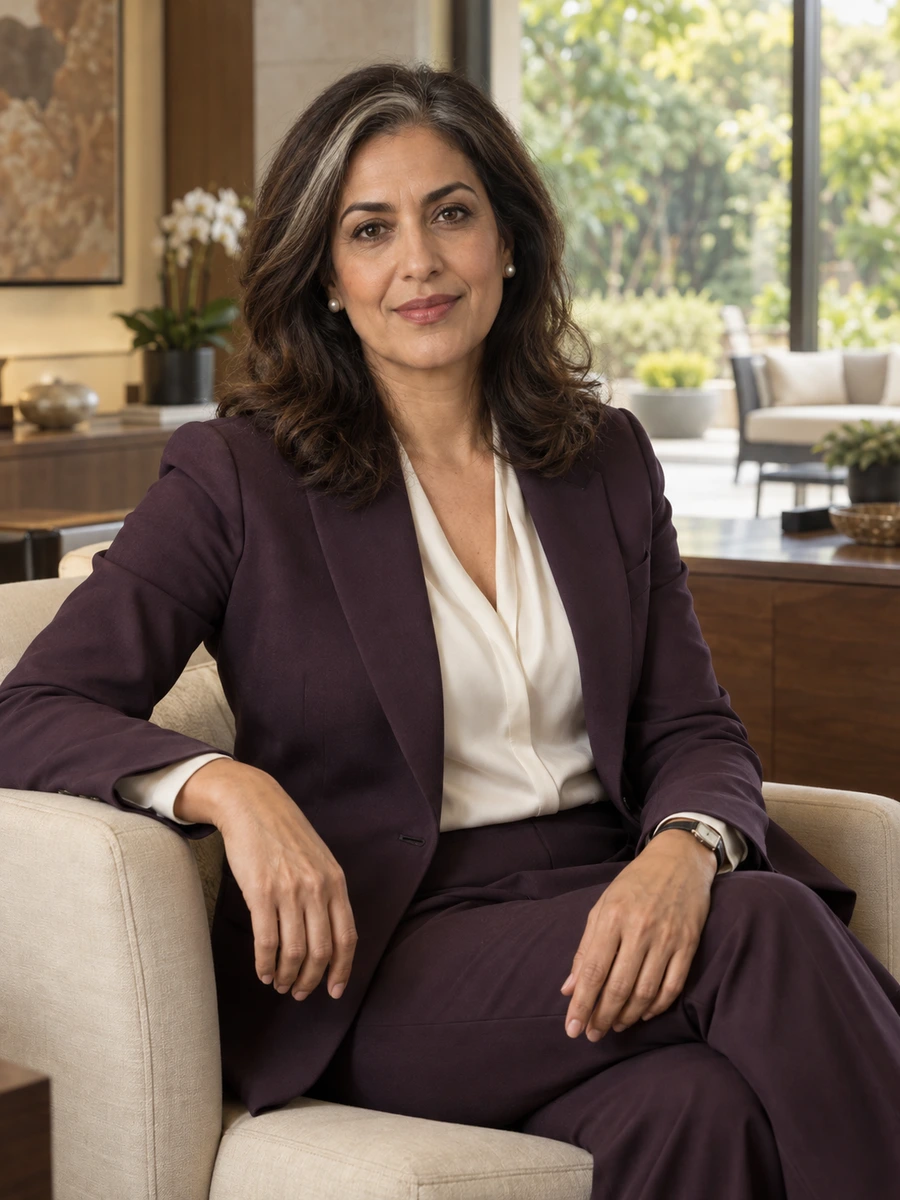
The product fitted the customer's patio. It did not fit through the route our crew had to use to reach it. The delivery team had dimensions, but they were dimensions of the furniture and its destination, not a sufficient account of doors, turns and permitted access. I recognised the mistake because I had encountered it in exhibition work years earlier. At Amlaqeri I had still allowed the sales and delivery process to treat a suitable final space as evidence that the journey into it would work.
I grew up in Navsari and completed an industrial-design degree at the fictional Zerqani Design College in June 1996. In July I joined Sovqeli Exhibition Services as an installation planner. The business employed 160 people and recorded ₹24 crore revenue for the financial year ending March 1997. I worked in an eight-person planning group without direct reports or independent spending authority. A venue drawing was useful, but it needed to be connected to loading access, the sequence of other work and the equipment a crew could actually use.
In July 2002 I became project operations manager. Sovqeli had 310 employees and ₹68 crore revenue for the year ending March 2003. I led sixty-two colleagues through four team leaders with ₹5.6 crore delegated annual operating expense. The role taught me to distinguish a plan's visual completeness from its operational completeness. Something could appear on the drawing while its installation method remained undecided. I completed a part-time operations-management diploma at Cavzori Management Institute in November 2008, continuing in the role throughout the study period.
I moved to Amlaqeri in October 2009 as regional installation head. The retailer then had twelve shops, 360 employees and ₹92 crore revenue for the financial year ending March 2010. My remit covered 190 colleagues through three leaders with ₹12 crore annual operating expense. Homes brought different constraints from exhibition venues. Access could change between a sales conversation and a visit, and the customer might not know which measurements mattered. We needed to ask clearly and involve qualified colleagues when the question went beyond a routine access check.
The network-operations appointment in April 2015 widened my responsibility to 410 colleagues through five leaders and ₹27 crore annual operating expense. Amlaqeri had twenty-one shops, 650 employees and ₹196 crore revenue in the year ending March 2016. I became more involved in the relationship between storage, assembly and delivery capacity. Increasing one activity could make another harder: a useful work area occupied space previously holding stock, and a rushed dispatch could create a second journey that the original productivity account did not show.
I became COO in June 2020. Today 690 operating colleagues work through seven leaders within ₹48 crore delegated annual expense, excluding merchandise purchases and separately approved capital. The company has twenty-nine shops and 980 employees, with ₹318 crore revenue and ₹26.7 crore operating profit for the year ending March 2026. Founders own 43%, patient private investors 47% and management 10%, including my 0.8%. CEO Naina Velquani takes enterprise recommendations to the board. I present operating proposals without a statutory directorship, and technical acceptance remains with the relevant specialists.
The access review cost ₹26 lakh and changed the planning before delivery. We then invested ₹68 lakh in approved assembly kits and tools, with ₹17 lakh of training and setup expense, because missing or unsuitable supplies were creating return visits. A warehouse conversion required ₹1.9 crore capital and reduced pallet positions from 420 to 328. That was a deliberate exchange of storage for assembly space, not free capacity discovered by drawing a different layout. Later overflow expense remained part of the account.
The most recent review challenged our completion records. Of 512 installations marked complete, 451 were confirmed complete and sixty-one required follow-up. By the end of September 2026, forty-six of those had been completed, nine were rescheduled by customers and six still needed contractor correction. We kept the open work visible and reviewed payment components under the agreed terms rather than treating every unresolved detail as grounds to stop an entire invoice. I registered in the IICA independent directors databank in February 2026, but assessment preparation remains unfinished and no exemption is claimed. Twenty-six days is a provisional allowance for one outside role. I would bring a habit of asking what physical work sits behind an operating number, together with a clear account of my own commercial interest and the preparation still needed for board service.
Open to Board appointments
Languages / English · Gujarati · Hindi
A leadership conviction
I want an operating plan to describe the space the work will occupy, the hands and equipment it needs and the point at which the customer can use what we promised. A dispatch report is only one part of that account.
- Outdoor-living retail estate
- 29 shops
- Fictional Amlaqeri Leisure Stores, based in Mysuru
- Operating remit
- 690 colleagues
- Seven leaders within a company workforce of 980
- Delegated annual operating expense
- ₹48 crore
- Excludes merchandise purchases and separately approved capital
Education & credentials
- Bachelor of Design in industrial design
- Zerqani Design College · 1996
- Postgraduate Diploma in Operations Management, part-time
- Cavzori Management Institute · 2008
Perspectives from colleagues
Roxanne put the ninety-two pallet positions we would lose in the same recommendation as the assembly area we would gain. That made the warehouse decision a choice we could assess.
She helped us make access and approved assembly resources part of readiness before dispatch. The field team no longer had to treat every missing planning answer as something to improvise at the customer's home.