Chief Executive Officer India
The account was closed but the obligation remained
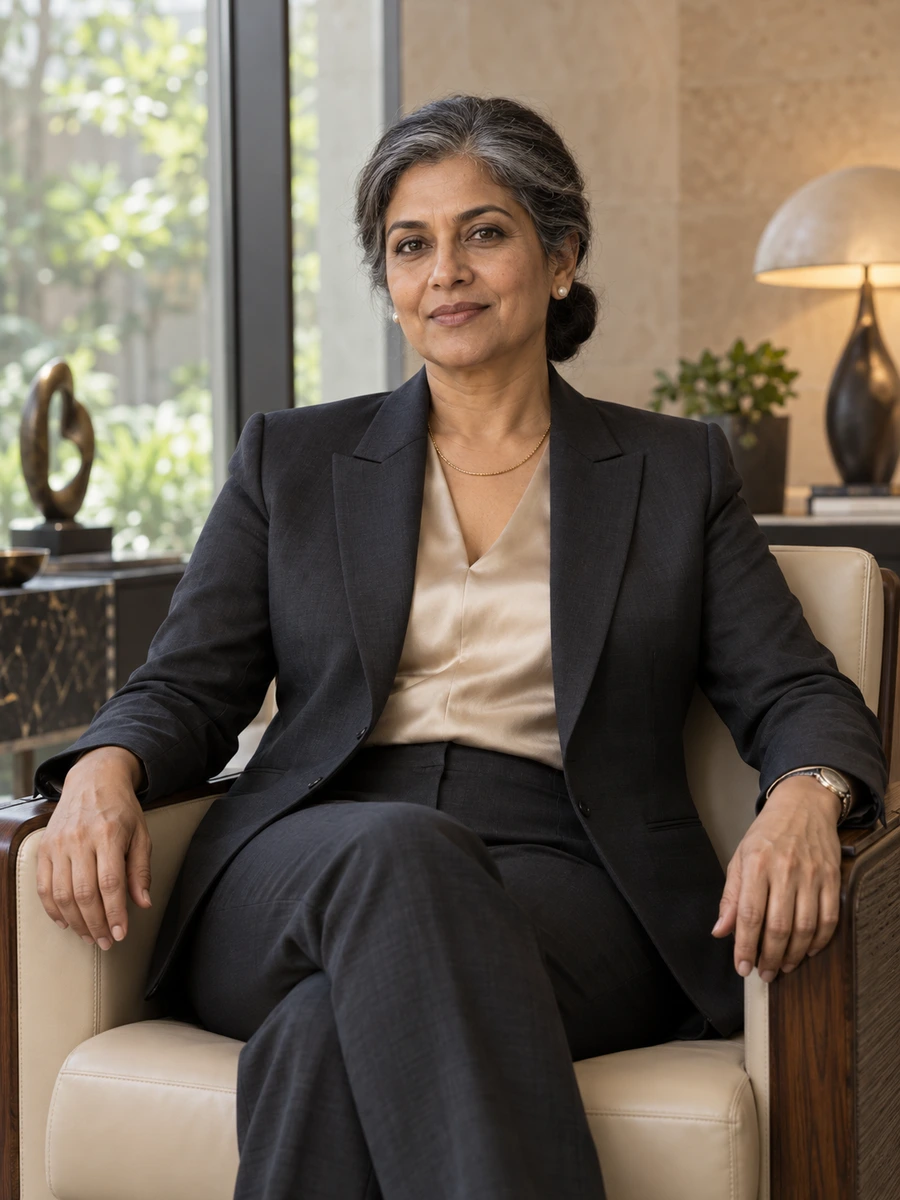
A payment can remain in a business long after the service it was meant to purchase has ended. I learned to ask about that gap while reviewing closed patient accounts. A balance could look administratively settled because nobody was actively using the account, yet the company still held money for visits that had not taken place. The question was not whether a clinical plan should continue. That belonged to the appropriate clinicians and patient. My question was whether the business had a clear and fair account of the money it retained.
I was born in 1970 and completed a BCom at Zelvitha Commerce College in May 1991. In July I joined Mirevani Care Administration in Belagavi as a service administration coordinator. I worked in a twelve-person office team under an administration manager, without budget or hiring authority. The business provided administrative support to regional outpatient providers. My work involved appointment records, payment queries and details passed between reception and service teams. I learned that an apparently small administrative ambiguity could become a difficult conversation for someone who was already dealing with a health concern.
In April 1997 I moved to Seranvi Rehabilitation Network as a centre administrator in Dharwad. I became centre manager in 2000, leading thirty-four administrative and support colleagues with a ₹2.4 crore annual operating budget. Qualified clinical leaders remained responsible for care. I studied in the evenings and completed an MBA in Service Management at Nerthavi Management Institute in November 2001. The work and study helped me connect staffing, scheduling and finance without assuming that a commercial measure could decide whether an individual needed another clinical visit.
I became Seranvi's regional operations head in January 2005. The network then employed 260 people and recorded ₹31 crore revenue in FY 2005. I led five centre managers, with 145 staff in the operating remit and ₹18 crore annual operating expense. Moving between centres showed me how a group policy could be interpreted differently at reception, in a finance office and by a clinician. I became more interested in whether the policy made the responsible decision clear than in whether every location used exactly the same words to describe its process.
In July 2012 I joined Orthevani Rehabilitation Services as chief operating officer. Orthevani employed 190 people across five centres and had recorded ₹28 crore revenue in FY 2012. I led four operating managers and 118 administrative and support colleagues, with ₹19 crore annual operating expense. Clinical teams reported through the medical director. The ownership group wanted to build a regional service with enough organisational discipline to grow without placing every difficult decision on a centre manager. I worked on the relationship between local responsibility and the commitments the group made to staff and people using its centres.
I became chief executive and executive director in January 2021. Today Orthevani operates nine centres across Hubballi, Dharwad, Belagavi and Davangere, with 410 employees. FY 2026 revenue was ₹74 crore and operating profit ₹6.8 crore. A clinician-shareholder trust holds 34%, the founding family 26% and a patient-capital fund 40%. I lead seven executives and report to a seven-member board. Bhavana Zervali leads clinical matters as medical director, while Sudeep Merzhani leads finance. My accountability covers the business and the conditions in which it delivers its service; it does not make me qualified to prescribe or judge an individual treatment.
Recent decisions have made those responsibilities concrete. We postponed two proposed openings while three existing centres required investment in access and staffing. We returned ₹18.6 lakh of unused balances identified across twenty-four closed accounts. We replaced a visit-linked component of remuneration for eighty-two therapists, accepting a higher annual compensation cost without claiming that the change had already improved clinical outcomes. And when two centres needed relocation, we funded a ninety-day transition and kept unresolved patient arrangements visible rather than describe a lease decision as a completed transfer of care.
I am now considering whether my experience could support one external board role. I have one current directorship, registered with India's independent directors databank in May 2025 and passed its proficiency assessment in March 2026. Those steps do not determine eligibility or independence for a particular appointment. I would need employer and board consent, a relationship review and an honest discussion of the calendar. I would bring experience of asking whether a service business's financial account preserves the obligations behind its revenue. I would also expect to learn from directors and specialists whose expertise extends beyond my own administrative and executive background.
Open to Board appointments
Languages / English · Kannada · Marathi
A leadership conviction
A sound service business should be able to explain what it charges for, who decides the care and how it will honour a commitment when its own plans change. Those questions belong in the chief executive's account of performance.
- Healthcare administration and leadership
- 35 years
- Career begins July 1991
- Outpatient centres
- 9
- Across four Karnataka cities
- FY 2026 revenue
- ₹74 crore
- ₹6.8 crore operating profit
Career chapters
January 2021 – Present 01
Chief Executive Officer and Executive Director
Orthevani Rehabilitation Services
Leads seven executives and the business account of nine centres, with clinical authority retained by medical leadership.
July 2012 – December 2020 02
Chief Operating Officer
Orthevani Rehabilitation Services
Led four operating managers and 118 administrative and support staff, separately from clinical teams.
January 2005 – June 2012 03
Regional Operations Head
Seranvi Rehabilitation Network
Led five centre managers and an operating remit of 145 staff with ₹18 crore annual expense.
April 1997 – December 2004 04
Centre Administrator; Centre Manager from 2000
Seranvi Rehabilitation Network
Progressed into management of thirty-four support colleagues while completing an evening MBA.
July 1991 – March 1997 05
Service Administration Coordinator
Mirevani Care Administration
Worked on appointments and payment queries in a twelve-person administrative team.
Board & advisory record
Current appointments
Orthevani Rehabilitation Services
Executive Director
January 2021 – Present
Education & credentials
- BCom
- Zelvitha Commerce College · 1991
- MBA in Service Management, evening programme
- Nerthavi Management Institute · 2001
Perspectives from colleagues
Revathi kept the clinical decision separate from the question about unused balances. She asked the business to resolve what it held without asking clinicians to justify retaining a payment through additional visits.
When we deferred the openings, she insisted that the board see both the postponed opportunity and the cost of work at existing centres. The following year's narrower loss was reported as a loss, with its limitations intact.