Chief Product Officer India
A product career shaped by unfinished handovers
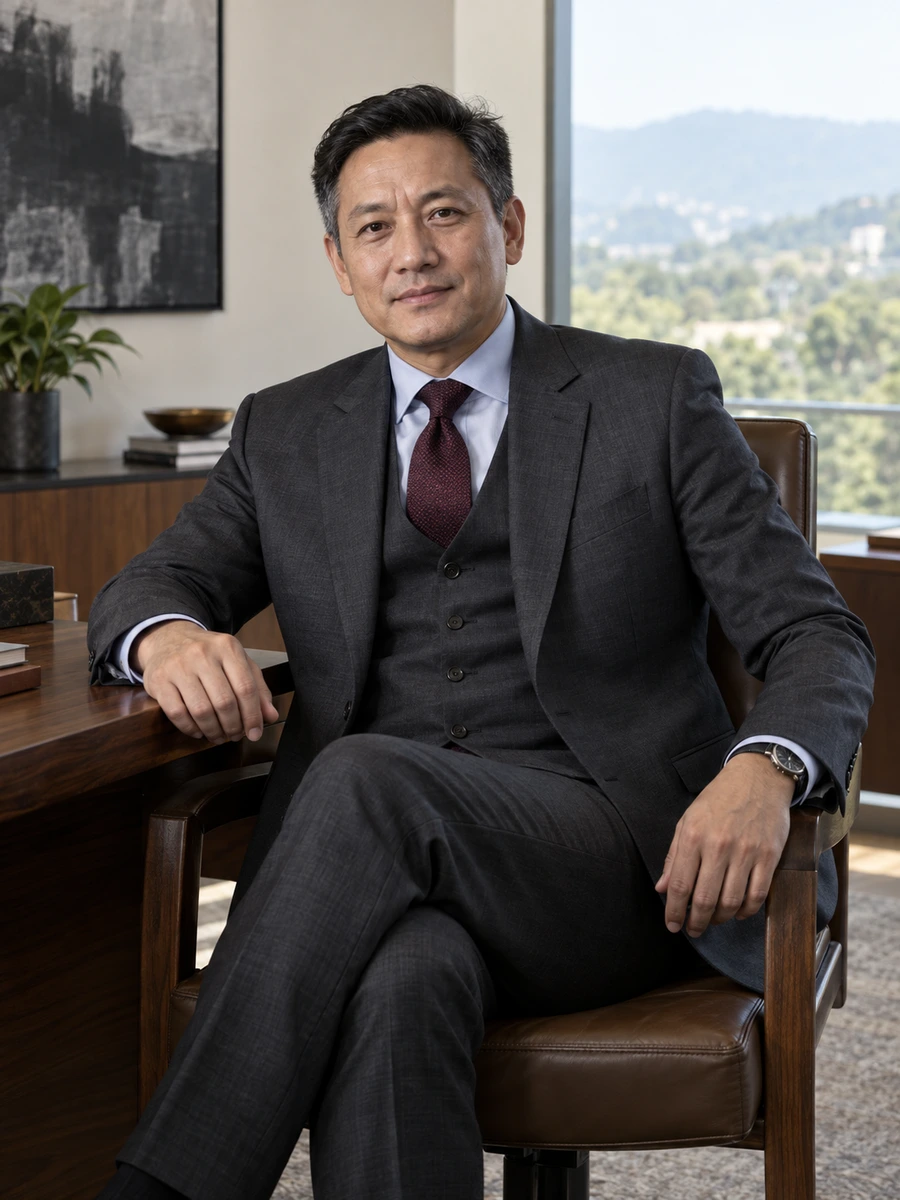
I grew up in Arunachal Pradesh and moved to Guwahati for commerce study and work. After completing my degree at Pelvani Commercial College in May 1998, I joined Avenroth Industrial Controls as a commercial assistant. The business supplied and serviced control panels for industrial customers. My job involved order documents, billing schedules and correspondence about payment milestones. I did not design the equipment or negotiate the major contracts. I learnt how a seemingly small ambiguity in a document could leave several capable people believing that someone else had completed the next step.
The work gave me a practical interest in business systems. By 2001 I was coordinating the commercial schedules for a small group of accounts and helping colleagues reconcile their records with service visits. A screen could show a job as complete while a customer still waited for acceptance paperwork. That experience made me pay attention to the meaning of status labels. I was not yet thinking in terms of product management, but I was learning to distinguish the state recorded by a system from the state understood by the person relying on it.
In August 2003 I moved to Kelvori Finance Systems as an implementation analyst. Kelvori supplied accounting and treasury-support software to regional institutions. I worked with client staff to map their processes, prepare test scenarios and explain configuration choices. Over time I led small implementation teams, without taking over a client's accounting policy or treasury authority. The work exposed me to the gap between a feature demonstrated in a sales meeting and a task completed by someone with real deadlines and limited permissions. I wanted to influence those choices before implementation began.
Sarnovel recruited me as a product manager in July 2009. The company was small enough that product managers spent substantial time with users, but established enough to need repeatable decisions across clients. I worked on deposit inventories and internal treasury proposals. I had three product analysts and no engineering line management. My responsibility was to explain which problem a release would solve, what it would leave outside scope and how we would know whether the workflow was understood. I learnt to resist treating every configuration request as evidence for a new common feature.
In October 2016 I became head of the treasury-workflow portfolio. I led ten product and design colleagues with a ₹3.1 crore annual function allocation. The wider company had twenty-two institutional clients and FY 2022 revenue of ₹61 crore by the end of that appointment. My work expanded from individual screens to the relationship between research, packaging, implementation and support. I also began presenting product choices to the executive team. The difficult discussions were usually about obligations: what a client would reasonably expect from the thing we had promised to build.
I became chief product officer in April 2022. Sarnovel now serves thirty-two banks and finance companies across India, with ₹94 crore FY 2026 revenue and 186 staff at March 2026. I lead twenty-two colleagues through four managers and report to the CEO. The CTO leads engineering separately. Our software supports planning and internal workflows; it does not hold funds, execute transactions or recommend investments. I make that boundary explicit because product language can otherwise imply powers that the company does not possess. I am not a director and do not approve clients' treasury decisions.
Several recent decisions have tested that position. Renaming a renewal action made the demonstration less dramatic but reduced an important misunderstanding. Requiring fresh sign-off after material changes made a workflow slower but gave approval a clear object. Including read-only reviewers changed the economics of our proposed package. Declining an in-house valuation engine meant giving up a potential three-year ₹2.2 crore contract. I regard these as product decisions because they concern what we ask users to trust, the work we are prepared to support and the revenue we are willing to pursue.
I am now developing four managers who can lead those arguments without relying on my personal intervention. I also want to contribute to a board where specialist software is becoming consequential to customers' operations. I would bring experience of product scope, customer interpretation and recurring obligations, while learning from directors with deeper financial and legal expertise. I have no current directorships. My proposed twenty-day annual allowance is conditional, and my preparation includes learning the requirements relevant to a first appointment rather than treating an executive title as evidence of readiness.
Open to Board appointments
Languages / English · Hindi · Assamese
A leadership conviction
I look for the moment when a user moves from understanding a situation to authorising an action. Software can blur that boundary through a convenient word, an inherited approval or a commercial rule that discourages the right people from reviewing the work. Product leadership means making those choices visible and accepting the consequences for adoption, revenue and scope.
- Institutional software clients
- 32
- Banks and finance companies across India
- Product, research and design colleagues
- 22
- Four managers; engineering separately led
- Annual function expense
- ₹7.6 Cr
- Product organisation; not company revenue
Career chapters
April 2022–present 01
Chief Product Officer
Sarnovel Treasury Software
Lead 22 product, research and design colleagues through four managers; ₹7.6 crore annual function expense; CEO reporting line and no directorship.
October 2016–March 2022 02
Head of treasury-workflow products
Sarnovel Treasury Software
Led ten product/design colleagues and a ₹3.1 crore function allocation across a growing institutional workflow portfolio.
July 2009–September 2016 03
Product manager
Sarnovel Treasury Software
Managed deposit-inventory and proposal workflows with three product analysts; engineering remained separately managed.
August 2003–June 2009 04
Implementation analyst, then implementation lead
Kelvori Finance Systems
Mapped client processes and test scenarios; led four implementation colleagues from 2007 without client treasury authority.
July 1998–July 2003 05
Commercial assistant, then account coordinator
Avenroth Industrial Controls
Prepared order and billing schedules for industrial controls and service work; coordinated three commercial administrators from 2001.
Education & credentials
- Bachelor of Commerce
- Pelvani Commercial College · 1998
Perspectives from colleagues
I have worked with Tenzin as CEO since 2022. He is willing to show the revenue we give up when a product promise exceeds our capability. That makes the decision more credible, because the commercial cost stays in the conversation.
Since 2016, Tenzin and I have worked on the gap between a demonstration and a client's daily process. He asks what the user believes has happened, which often reveals a problem that a completed test script would miss.