Chief Product Officer India
The service was not finished when our record said so
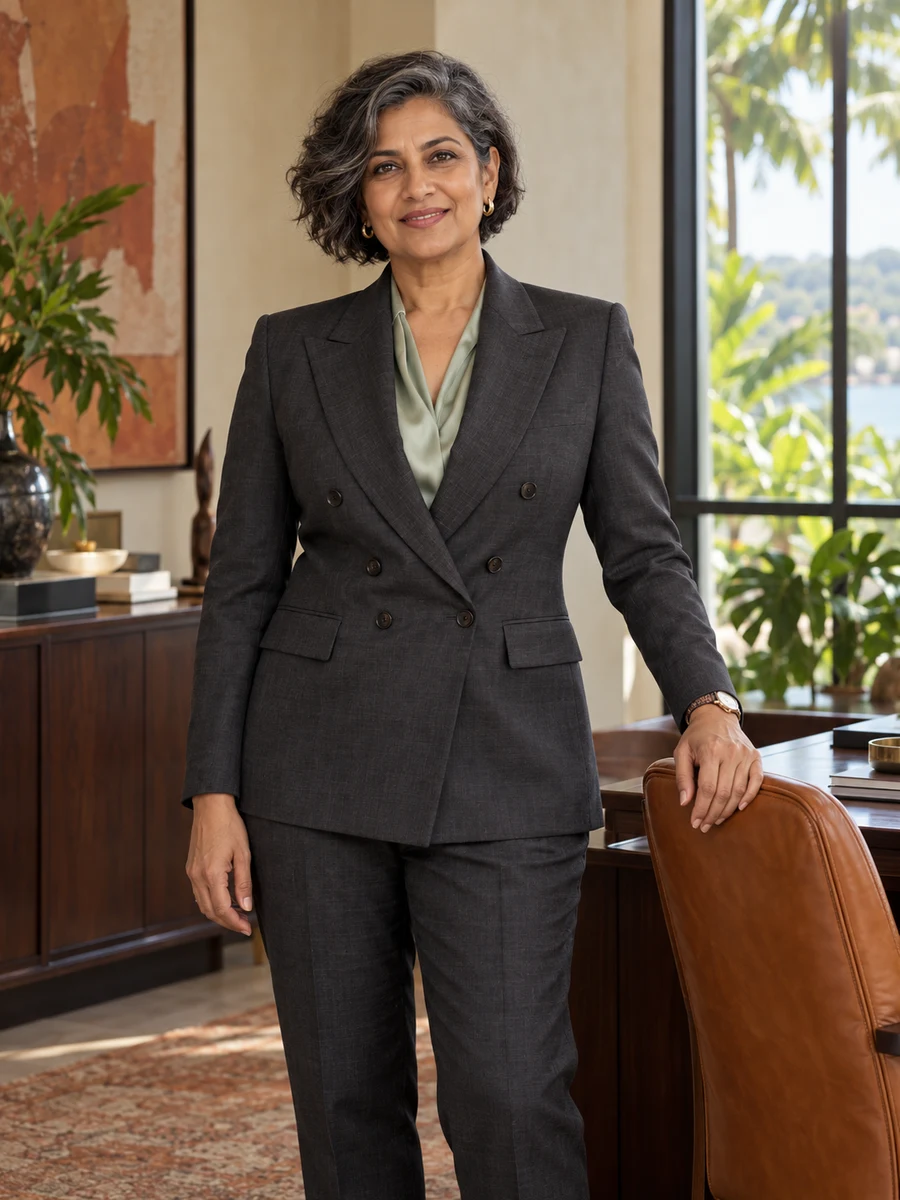
I began in service research, observing where the organisation’s neat process stopped matching the customer’s actual day. That perspective travelled with me into equipment hire, but it did not prevent my own product mistake. I gave careful attention to how customers chose and received a portable-power unit, then allowed the depot’s return scan to determine when their charge ended. The customer had already completed the agreed collection arrangements. Our delay could therefore extend a bill for reasons outside their control.
I completed a design degree at Tavqelri Design College in May 1998 and joined Velqzari Service Design in June. Eight people formed the research group under a project lead. I observed service journeys and organised findings, without authority over client contracts or technical decisions. The work taught me to distinguish the person buying a service from the people carrying out its handovers. A process could appear complete to the organisation while leaving someone else waiting for the next action.
In April 2005 I became a service planner, leading twelve colleagues within ₹1.1 crore annual delivery expense. Client programme funding remained separately controlled. I worked on the sequence from request through fulfilment and closure, paying attention to the moments when a customer believed responsibility had changed hands. I wanted those moments described in ordinary language before turning them into screens or procedures. Moving into a rental enterprise offered a continuing responsibility for whether the resulting promise worked after the design assignment ended.
Dervqalni Portable Power appointed me product-operations manager in April 2012. Nineteen colleagues worked within ₹2.7 crore annual function expense. The company supplied portable battery-power hire for temporary commercial uses, and our products depended on qualified equipment selection, delivery, support and collection. I learned to make those dependencies visible without presenting product management as electrical engineering. The customer needed a coherent proposition, but the people authorised to assess suitability and release equipment still had to make their own decisions.
The operating role also changed how I used research. I began checking the words customers repeated back after a handover, because a signed form could coexist with a different understanding of what would happen next. Those conversations gave service colleagues a practical way to challenge a proposition before its wording became difficult to change.
The head-of-product appointment in April 2018 expanded my remit to twenty-five colleagues and ₹3.8 crore annual expense. The following year I approved the short-hire design that used a depot return scan as its charging endpoint. Farah challenged it after collection records showed that eight of thirty reviewed bookings had been extended by supplier-side delays. I had accepted an internal event as though it described completion of the customer’s obligation. We changed the contractual and process account through the responsible owners, corrected the affected charges and kept safe handover requirements intact.
Since April 2022 I have served as CPO, reporting to Nilesh Qavzelthi. Three heads lead thirty-one product employees within ₹4.9 crore annual function expense. Our 2023 review replaced a single duration claim with a qualified assessment route. In 2025 we separated a support acknowledgement from restoration, after examining forty-eight service records. Neither change made delivery effortless. Both made the proposition more faithful to the distinctions a customer needed before deciding whether to depend on it.
The company now employs 260 people and recorded ₹126 crore revenue for the financial year ending March 2026, comprising ₹104 crore hire fees and ₹22 crore support services. Founders own 46 percent, a services investor 44 percent and an employee vehicle 10 percent. I hold neither personal equity nor a statutory director appointment at this enterprise. Product expense does not include authority to commit the fleet budget, approve an electrical installation or settle a contract without the responsible colleagues.
I would seek a role where the quality of the ending matters as much as the appeal of the opening offer. That includes the return, the unresolved suitability question and the service interruption that cannot honestly be turned into a simple response-time claim. A board contribution would need separate preparation and assessment beyond my executive presentations. I could help directors follow a promise through the places where responsibility changes hands, ask who bears a delay and distinguish the service a company can support from the words it would prefer to advertise.
Open to Board appointments · Executive opportunities
Languages / Konkani · English · Hindi
A leadership conviction
The customer buys a defined period of useful service, not our internal sequence of handovers. A product promise must survive that difference.
- Product employees
- 31
- Three heads; company headcount totals 260
- Annual product function expense
- ₹4.9 crore
- Fleet investment and technical approvals separately controlled
- Career since June 1998
- 28 years
- Service research through portable-power product leadership
Education & credentials
- Bachelor of Design
- Tavqelri Design College · 1998
Perspectives from colleagues
Priscilla changed the hire endpoint she had approved when our collection delay reached the customer’s bill. She made the consequence visible rather than defending the easier internal rule.
She keeps a quick acknowledgement separate from restoration and lets the service evidence change the product promise. Our qualified operating decisions remain our responsibility.