Chief Operating Officer Europe
From the emergency department to forty-one health centres
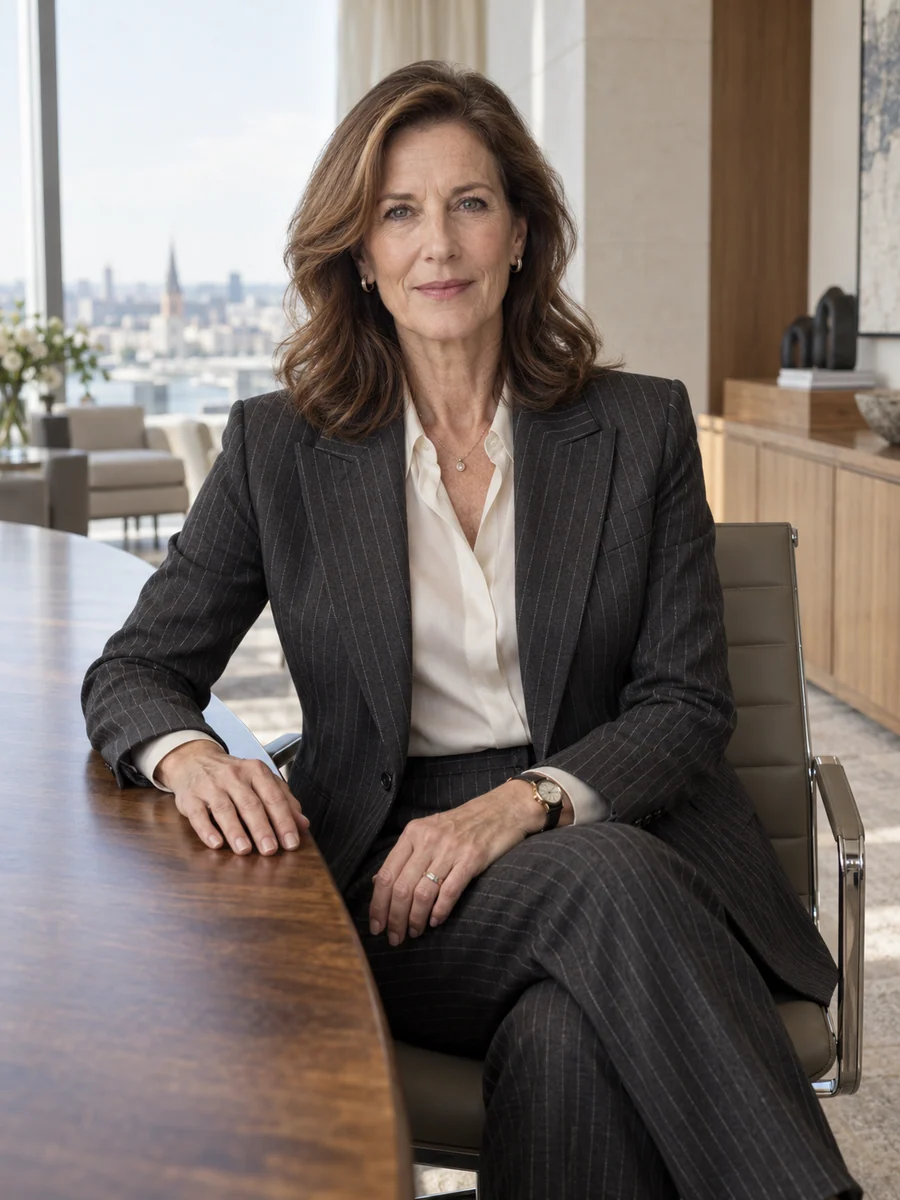
On a February evening in 2005 I was the district nurse on the telephone at Myrskogen Health Centre when the lines closed at five with eleven callers still waiting. Three of them rang the emergency department instead. One needed to. The other two needed a dressing changed and a prescription renewed, and they spent the evening in a hospital waiting room because our clinic had decided its day ended when the queue did. I have thought about that evening many times since. Most failures of access I have seen began as a scheduling decision that looked sensible from inside the building.
I qualified as a nurse at Ålmskog University College in June 1994 and joined the internal medicine ward at Bredsjövik Hospital that August. Ward work taught me the discipline of handovers: what the next shift must know, in what order, and who owns each unfinished task. In 1998 I moved to the hospital's emergency department, first as a triage nurse and later as a shift coordinator. There I saw primary care from the other side, as the place patients had not been able to reach.
I completed my district-nursing diploma part time in 2003 and moved to Myrskogen, a health centre run by the county council, in January 2004. District nursing meant home visits, a diabetes clinic and the telephone advice line. From 2007 I led its nine nurses. We kept the telephone open through lunch by staggering breaks and moved routine renewals into booked slots instead of leaving them to whoever had a free moment. Neither change was clever. Both needed a rota that people could actually keep.
In 2010 three GPs from the area asked me to open and run Grindvallen Health Centre, which they were establishing under the county council's new patient-choice system. I was its head of clinic, the partners kept clinical decisions with their medical lead, and I learnt to read a capitation payment as a promise to a population rather than as income. Grindvallen grew from 3,100 listed patients at opening to 8,900 by 2016. Alongside that work I completed a part-time master's degree in health-care management at Kvarnlida University in 2013.
Solvreten bought Grindvallen in 2016 and asked me to become regional operations director for its western region. I was suddenly responsible for fourteen health centres, four of them recently acquired from GP partnerships with their own habits and systems. Integration taught me to separate what must be common, such as booking, deviation reporting and rota planning, from what each clinic should keep. When the region revised its payment weighting in 2019, two of our clinics lost income per listed patient. We changed their staffing mix rather than close either, and I explained the reasoning to the region before it could read about it in our figures.
I became chief operating officer in March 2021, as the company grew from thirty-six to forty-one health centres. The three cases on this site come from that period: reducing our dependence on agency doctors in the north, keeping nurses on the telephone beside digital booking, and changing how we report and follow up patient-safety deviations after a serious medication-renewal event. In each, someone I respected disagreed, and in each we gave up something measurable.
I lead through rotas, numbers and visits. I spend at least two days a month in health centres, usually at the start of the morning when the telephone queue opens, and I ask heads of clinic to show me which tasks have no owner. I keep a clear line between operational responsibility, which is mine, and clinical judgement, which belongs to our chief medical officer and to the clinicians in each team. With heads of clinic I agree a small number of measures, usually telephone callback times, renewal turnaround, agency days and open deviations, and we look at them together every month. When a clinic falls behind, my first question is what the rota looked like that week, not who was at fault. I would rather hear about a problem early and incompletely than late and polished.
I present to our board and its quality committee, but I have never been a director. I would like a first non-executive seat where the operational detail of care matters to the board's decisions, and where I can learn how directors weigh it against funding, ownership and legal duties I have seen only from the executive side.
Open to Board appointments
Languages / Swedish · English
A leadership conviction
A health centre's opening hours are a promise made by its rota. I would rather tell a region and our patients that a small unit will open three days than advertise five and fill them with whoever happens to be available. Clinical judgement belongs to clinicians; my work is to make sure the right one is there, reachable, and has time to use it.
- Revenue in 2025
- SEK 1.38bn
- Paid mainly by three regions per listed patient
- Health centres
- 41
- Across three Swedish regions
- Listed patients
- 312,000
- At the end of 2025
Education & credentials
- Bachelor of Science in Nursing
- Ålmskog University College · 1994
- Postgraduate diploma in district nursing (part time)
- Ålmskog University College · 2003
- Master of Science in health-care management (part time)
- Kvarnlida University · 2013
Perspectives from colleagues
Sofia runs operations without drifting into clinical decisions, and she makes sure I have what I need to take them. When we changed how deviations were reported, she answered the board's and the regions' questions about the rising numbers herself.
She told us the satellite unit would open three days a week and that she might be wrong. A year later she sat down with our figures and agreed the fourth day would have been worth keeping.
When the supplier wanted the telephones closed, Sofia spent a Monday morning listening to calls from older patients with us. The lines stayed open, and she made sure the nurses on them also worked the digital queue.