Chief Technology Officer India
A career spent where the coverage ends
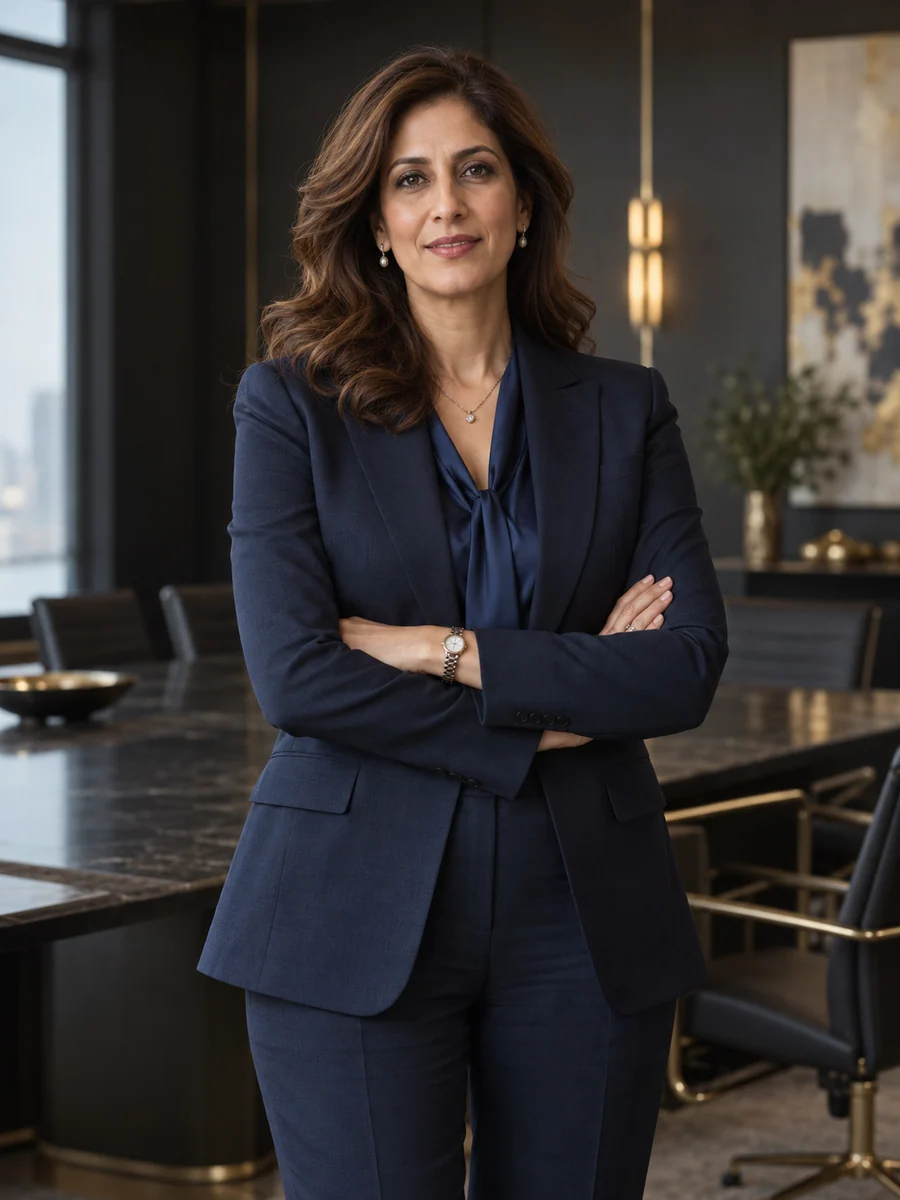
The first fault I was trusted to fix alone was a ticket machine that had stopped printing somewhere between Dewas and Ujjain. I had joined Ojasvel Electronics in Indore in July 2000, a month after completing a degree in electronics and telecommunication at Revakhand Institute of Engineering. The conductor had written tickets by hand for the rest of the journey, and the owner wanted to know whether the machine's count or the conductor's book was right. Neither was complete. Over three years of service visits to bus stands across western Madhya Pradesh, I learnt that a device's record is only as good as what happens to it when power, paper or patience runs out.
In August 2003 I moved to Telvarika Devices in Pune to write firmware for vehicle-tracking units. Our customers were mostly truck owners who wanted to see where their vehicles were. Much of my time went on what the unit should do without a mobile signal: how many positions to store, what to send first when coverage returned, and how to mark a reading that the receiving software should not trust. That last question has followed me into every role since.
Ashvetra Infotech, a Pune IT services firm, hired me in May 2007 to work on depot and ticketing back-office systems for bus operators. I moved from devices to databases and from my own code to other people's. As technical lead from 2010 I ran a team of nine and spent more time at depots than in our office. I saw how a reconciliation report could become evidence in a dispute between a conductor and a cashier, and why the people who handle cash need to understand how a system reaches its totals.
In July 2012 I joined Durvanta Express in Mumbai as engineering manager for field applications. The carrier had 3,800 delivery staff working from paper runsheets. We built a handheld application that recorded deliveries, failed attempts and cash collected, and that worked through a full shift without a connection. The difficult part was deciding which record would prevail when a branch clerk and a courier changed the same consignment while one of them was offline. We wrote those rules with branch managers, not for them.
From February 2017 I led engineering at Kheralink Freight in Ahmedabad, a venture-backed platform matching manufacturers' full-truckload freight with small fleet owners. I reported to the co-founder and chief executive, Parth Ambavade, and grew the team to 46 engineers. We built load matching, a driver application and proof-of-delivery capture, and sold a telematics subscription to owners with fewer than ten trucks. I also presented reliability and data-protection updates to a board that included investor nominees. When the freight business was sold to a larger logistics group in early 2021, I chose not to move with it. I wanted to run the whole technology function of a company that owned its vehicles and answered to passengers directly.
I became chief technology officer of Malvaneer Coachways in April 2021. The company had grown on the reputation of its sleeper services and the relationships of its founding family, but its booking engine was twelve years old and its crews still carried paper waybills. Siddhant Rathvekar, the managing director, asked me to modernise without cancelling a single night's departures. The private-equity investor that arrived in 2022 brought a board with sharper questions about cyber risk and system dependence. I present to that board each quarter and report to the audit and risk committee the company formed when the investor joined.
My way of working is plain. I want the people who will live with a system to argue about its rules before we write them, and I want every measure that touches pay or a passenger's seat to carry a statement of how it can be wrong. I do not run operations, set fares or decide whether a driver is fit to drive. My responsibility is that the data behind those decisions is complete enough for its purpose, and that its gaps are visible to the people relying on it.
I am now preparing for a first independent board role while remaining an executive. Twenty-six years of field systems have taught me to ask what a device, an integration or a vendor contract does on its worst day. I think a board in transport, logistics or any business with people working beyond a network could use that question. I am also learning the parts of directorship that executive work does not teach, particularly how to judge management's information without trying to manage the work myself.
Open to Board appointments
Languages / English · Hindi · Punjabi
A leadership conviction
A record made in a moving vehicle will sometimes be incomplete. I would rather show that gap to the person relying on the record than hide it behind a confident map or a tidy total. Systems earn trust when the people who live with them have argued about their rules first, and when every number that touches pay, a passenger's seat or a compliance document states how it can be wrong.
- Revenue, year ended March 2026
- ₹612 Cr
- Passenger fares ₹531 crore; parcels ₹81 crore
- Coaches in service
- 418
- 284 owned and 134 attached from owner-operators
- Seats sold on the peak day
- 41,600
- Busiest day after Diwali 2025, all channels, no outage
- Trip-hours with location gaps
- 2.6%
- Down from 17 per cent in 2022
Education & credentials
- Bachelor of engineering, electronics and telecommunication
- Revakhand Institute of Engineering · 2000
Perspectives from colleagues
Devika brings me decisions with their costs already worked out, including the ones her own team dislikes. When she asked to hold berths back from online sale I expected a technical argument; she arrived with conductors' complaints and a six-month trial. We have argued often, and I have usually learnt something.
I opposed her on the speed alerts and said so in front of the board. She did not dismiss the safety risk; she gave my desk the people to review every serious alert while the devices were replaced. The data we now use with drivers is data I can defend.
Devika put the reliability figures I least wanted to see on the first page of every board pack. Our investors trusted the engineering team more because of it. She also hired engineers who would ride in a truck before designing for one.