Chief Human Resources Officer United States
What a second-shift roster taught me about plants
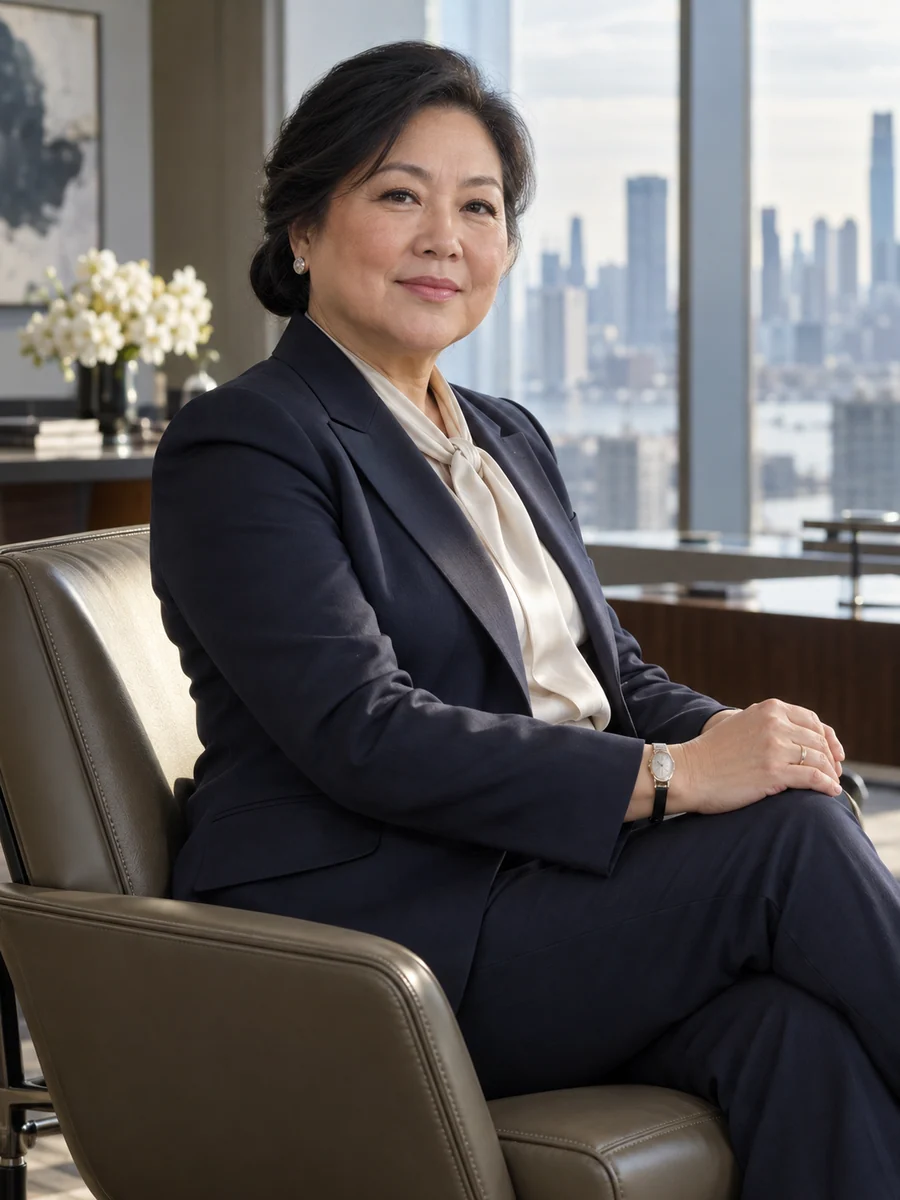
The machine that taught me most about people was a four-colour web press at Hassingdale Press in Akron, Ohio, which printed catalogue inserts through the night. I joined in June 1994 as the second-shift production scheduler, a month after finishing a business degree at Ardenhollow State University. My job was to sequence jobs and crews. Within weeks I noticed that the roster had been settled before I touched it. Seniority sent the newest press helpers to second and third shift, and most maintenance mechanics worked days. When a web broke after midnight, a nineteen-year-old waited for a supervisor covering two departments. Nobody had chosen that arrangement; it had simply accumulated.
I took evening courses in human resources and moved to Brindleford Controls, a maker of appliance thermostats, timers and wiring harnesses in Meadville, Pennsylvania, in March 1998. As a generalist, and later training and safety coordinator, I wrote the plant's first structured induction for evening and night hires and ran the lockout and hearing-conservation training that OSHA standards require. In 2003 I became plant HR manager for 650 non-union employees, while completing a part-time master's degree in labour and employment relations at Penthurlow University. The last years were difficult. The company began moving harness assembly to Mexico, and I handled the first reductions. I learnt how little a plant HR manager can change once a decision has been taken somewhere else.
That experience drew me towards labour relations, where change is negotiated rather than announced. In January 2009 I joined Calderhurst Trim Systems, an automotive interior supplier, as labour relations manager for five plants in Ohio, Indiana and Michigan, three of them unionised. I arrived in the depth of the vehicle downturn. My first year consisted of layoffs and recalls by seniority, grievance meetings and an arbitration about pay for temporary transfers. I learnt to read a collective agreement as a set of promises both sides once thought fair, and to keep my own promises small enough to honour.
From 2014 I was divisional HR director at Calderhurst, responsible for 3,100 people. In 2016 I closed our Indiana door-panel plant with the sixty days' notice the WARN Act requires and a hiring fair that placed 140 of its 260 employees with nearby employers. I also rebuilt supervisor training after a review showed that most first-line supervisors had been promoted from the line with a handbook and little else.
Corrinwood recruited me as chief human resources officer in April 2019. The family owners wanted a people function able to support acquisitions and an approaching wave of retirements. On my first plant walk at Mansfield, the maintenance supervisor showed me his list: nineteen of sixty-four technicians across the company could retire within five years. That conversation produced the apprenticeship and mentoring programme described on this site. The same walk took me to third shift, where the operators were younger and leaving faster, which became our central issue in the 2022 Mansfield negotiations.
I work closely with union officers, and I do not pretend our interests are identical. We disagree about subcontracting, overtime distribution and the pace of change. What I try to protect is the reliability of what each side says. At Bowling Green, the plant we acquired in 2023, that meant keeping our supervisors within the law during an organising campaign while several managers wanted a harder approach. The employees chose representation, we negotiated a first contract and turnover there has fallen since.
My team is lean for a company of our size. Plant HR managers report to me and work beside plant managers every day, which gives me early warning of scheduling trouble, supervisor strain and safety concerns. I spend about a third of my time in the plants, on all three shifts, and I read the night-shift leaver interviews myself.
I am now preparing for an independent board role. I can help directors read workforce risk in an industrial business: retirement exposure in the skilled trades, turnover by shift, the economics of a labour agreement and how an acquired plant's people practices will actually be integrated. I would also bring a habit formed on night shifts: asking which of the people affected by a decision were absent when it was made. I have never served as a company director, and I would expect to learn the legal duties of the role and to strengthen my financial reading before I sat on a committee.
Open to Board appointments
Languages / English
A leadership conviction
Seniority rules, the shift calendar and the maintenance roster decide who works nights, who teaches whom and who stands alone beside a jammed gluer at three in the morning. I treat those as management choices rather than traditions to inherit. A plant should keep one standard of training, supervision and voice, whatever the hour, however old the building or whether its employees have a union.
- Colleagues at four plants and head office
- 1,690
- Ohio, Pennsylvania and Kentucky; three plants with union-represented employees
- Corrinwood revenue
- US$468m
- 2025; folding cartons and printed paperboard packaging
- Maintenance apprentices completed
- 17
- Four-year registered programme with a community college, 2021–2025
Education & credentials
- Master of arts in labour and employment relations (part-time)
- Penthurlow University · 2003
- Bachelor of science in business administration
- Ardenhollow State University · 1994
Perspectives from colleagues
During the Bowling Green election Simone told me plainly that the harder campaign I wanted carried legal risk we did not need. She was right, and she was just as clear when the result went against us.
We do not always agree with Simone, and she does not expect us to. When she came to our members' meetings on the shift proposal, she listened, took the rotation off the table and kept every commitment she made at the bargaining table.
Simone put Corrinwood's retiring technicians into our classrooms and paid apprentices for their study days. She also sat on our advisory committee and told us honestly when our curriculum lagged the equipment in her plants.