Chief Information Officer Japan
Learning the night shift from the supplier's side
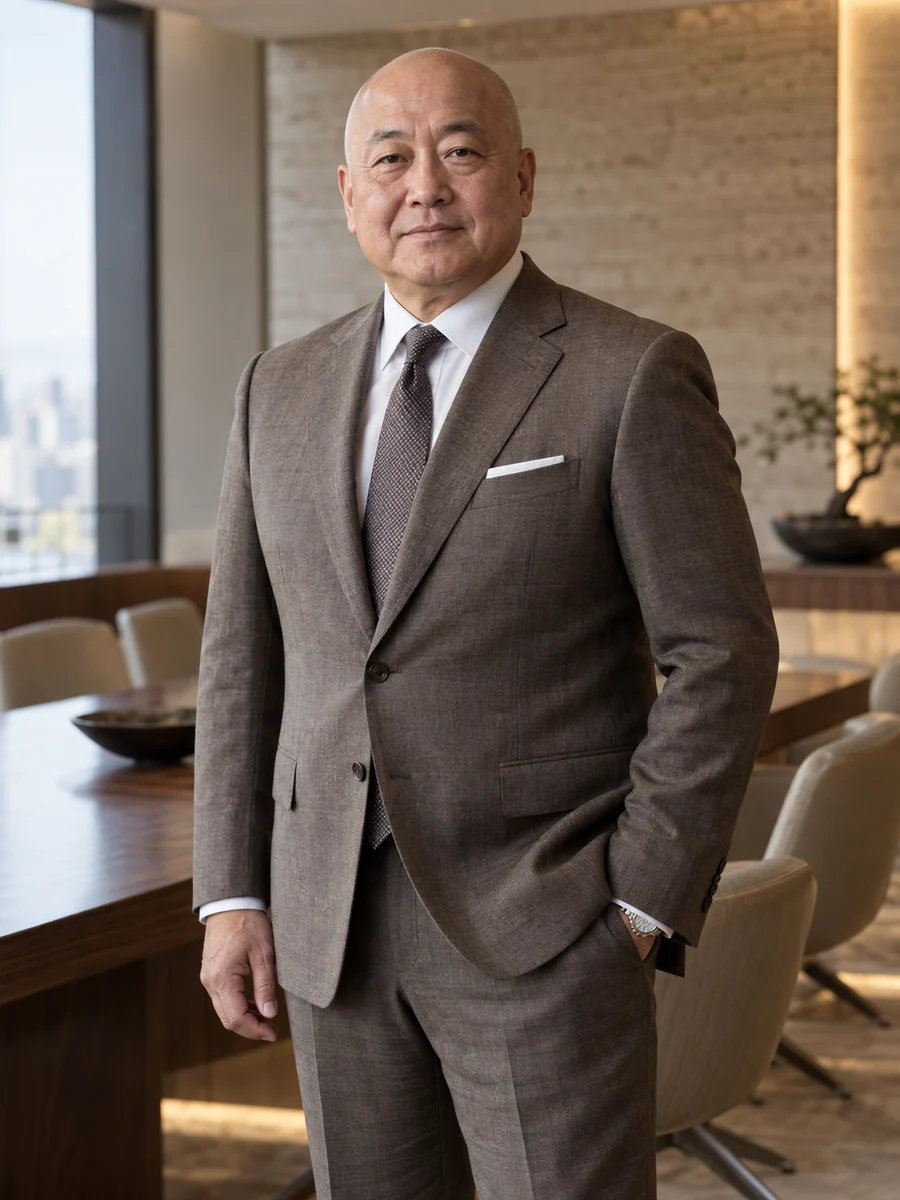
In the autumn of 1996 I spent three nights on a surgical ward in a hospital where my employer had just installed computerised order entry. I was twenty-five and responsible for the link between the ward screens and the pharmacy. At two in the morning a nurse with eleven patients and one colleague asked me why changing a dose took four screens. I had no good answer. She wrote the change on paper, telephoned the pharmacy and entered it at the end of her shift. The system had worked as specified. The ward had worked around it.
I joined Hakuzen Medical Systems, a supplier of hospital information systems, in April 1994, after a degree in information engineering at Kibiyama Institute of Technology. For five years I built order-entry interfaces between wards, pharmacy and laboratory. After the health ministry allowed medical records to be kept electronically in 1999, I managed implementations of the company's electronic medical record at nine hospitals. Each hospital wanted the screens to resemble its own paper forms, and we priced every change separately. I learnt how quickly that produces a record nobody else can upgrade, and how dependent a hospital becomes on the few supplier engineers who understand its exceptions.
In October 2005 I moved to Kotohane Pharmacy, a dispensing chain then running 84 pharmacies in Kanto, as its IT manager. Pharmacies taught me a stricter daily discipline. A prescription has to be dispensed, recorded and billed correctly, and the monthly insurance claim depends on eligibility details taken at the counter. I replaced the dispensing system across the chain and moved claim submission online. When a counter could not confirm a patient's insurance, the claim came back weeks later and someone had to reconstruct what had happened. I still think about reception desks in those terms.
Tsuyuhakai recruited me in April 2011 to run the systems office of its acute hospital. I arrived while the hospital was still reviewing how its systems had behaved during the power restrictions that followed the March earthquake. Unplanned outages of the record were frequent, and the ward response depended on whoever happened to be on duty. With the director of nursing I wrote our first downtime procedures, and I renegotiated maintenance terms that had left us waiting for engineers from Tokyo.
In 2015 I took responsibility for systems across the group. I joined the three hospitals on one network and one service desk, connected the acute hospital to a prefectural network through which hospitals and clinics can view shared records with patient consent, and began reviewing claims data with the medical affairs office before audits rather than after them.
I became chief information officer and an executive officer in April 2020, in the first weeks of the pandemic. Fever-clinic bookings, video calls for families who could not visit wards and reporting to government systems came before any strategy paper. The decisions I describe on this site came afterwards: how to prepare for ransomware of the kind that had closed other Japanese hospitals for weeks, which electronic record to live with for the next decade, and how to keep reception working while patients moved to the My Number health insurance card.
I lead 41 people in four sections: infrastructure and security, clinical systems, the service desk and data. Many came from ward, pharmacy or medical-records work rather than IT companies. A former ward clerk understands why a label printer matters at three in the morning, and I value that more than a certificate. During any major change I ask supplier engineers to work from our sites, beside the people using their product.
Our board is chaired by a physician and includes clinicians, a lawyer and a regional businessman. I present to it twice a year on risk and investment, and sooner when something has gone wrong. I try to bring a decision with its cost, the colleagues who disagree and the reason I still recommend it. I have not been a director. I attend as an executive officer and I respect that difference.
I would now like to contribute as an outside director to a company whose operations depend on clinical or care staff using systems under pressure. I would bring a supplier's knowledge of how contracts are written, a hospital's knowledge of how they fail, and a habit of asking who will be on duty when they do. I would also have a great deal to learn about listed-company governance, and I would rather join an experienced board than lead one.
Open to Board appointments
Languages / Japanese · English
A leadership conviction
A system that a ward cannot operate at three in the morning, two nurses short, is not finished, however well it performed in the supplier's demonstration. I would rather spend money on the hours when the record is missing or unfamiliar than on another feature for the hours when everything works. The clinical teams decide how patients are cared for; my job is to make sure the tools still serve them when conditions are at their worst.
- Group operating revenue
- ¥34.6bn
- Year to March 2026; hospital, rehabilitation and community care
- Hospital beds
- 771
- Across three hospitals in northern Kanto
- Medical information staff
- 41
- Four sections; ¥1.31 billion annual budget
Education & credentials
- Bachelor of engineering in information engineering
- Kibiyama Institute of Technology · 1994
Perspectives from colleagues
Naoki paid for the first drill's overtime only after I pushed him, and he said so to the board himself. Since then, our ward managers bring him problems before they become incidents.
I argued against the shared record and lost most of the argument. He kept the eleven screens my therapists needed most and came to our wards every week until the documentation time recovered.
He challenged a saving I had already presented, with a month of reception logs rather than opinion. We reached a better number together, though neither of us enjoyed explaining it to the board.