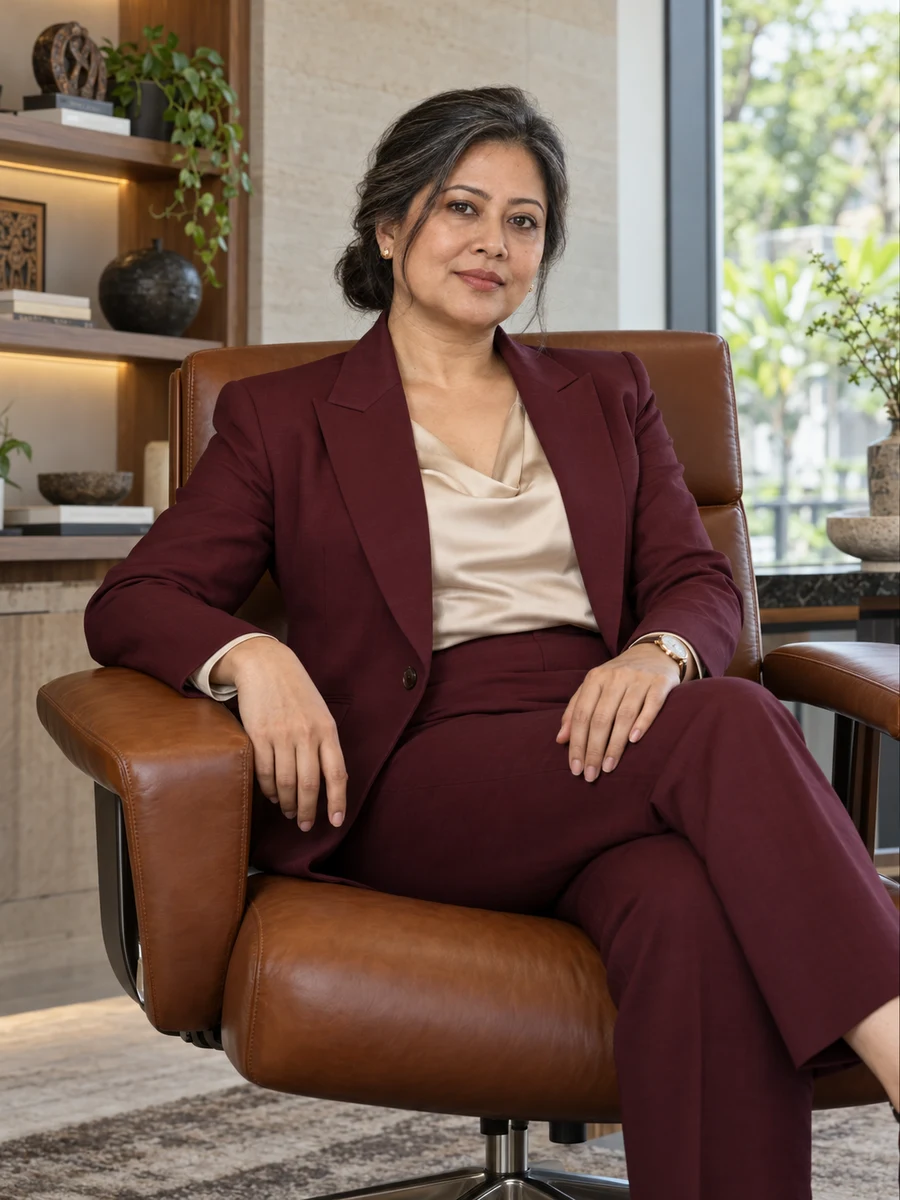
I market solar-thermal equipment by showing which experience belongs to the proposed application, what a partner can actually do and whether a project image depicts something built.
Open toBoard appointments · Executive opportunities
In 2019 I approved a process-heat campaign that described eighteen reference installations as if they all established industrial-steam experience. Ten were hot-water applications and eight involved industrial steam. Every installation existed within our fictional company story, but my collective description borrowed authority from the wrong part of the portfolio. Engineering head Asha Qevzlari challenged the wording before the planned release. I withdrew the campaign and made the application boundary part of the proposition. The correction was uncomfortable because the original headline had been my preferred way of making a young business look established.
I now lead marketing at Varqezli Thermal Systems in Vadodara, having grown up in Agartala and begun in industrial communications. Four heads lead twenty-nine marketing employees, with six external creative personnel counted separately. My annual authority is ₹6.3 crore; the company’s ₹146 crore revenue is a different measure. I report to CEO Pranab Vezqlari and hold neither personal equity nor a statutory directorship. We supply solar-thermal equipment and related services. Our marketing must help a buyer ask an informed question without pretending to decide site suitability, commissioning or safe operation.
Later work made the same distinction visible in different forms. A partner map separated organisations trained to explain a proposition from those authorised for a defined installation scope. A visual-library review separated photographs of completed work from computer-generated proposals. Neither change made the story less ambitious; it made the experience behind the ambition easier to examine. I would consider a CMO mandate where an engineer or customer can challenge the inference a campaign invites before publication. A first outside-board contribution would require preparation and a specific assessment, with twenty-two days annually as an initial capacity proposal. I could bring experience of changing a commercially attractive claim I had personally endorsed, while retaining the difference between marketing judgement, technical approval and collective board scrutiny.
References grouped by actual application
Ten hot-water installations did not become industrial-steam references through a common campaign heading.
Partner capability stated at its real scope
A marketing-trained organisation was not presented as an authorised installer by implication.
Built work distinguished from visual proposals
Computer-generated scenes carried a clear status instead of borrowing the authority of photographs.
Technical questions kept with their owners
A persuasive explanation did not certify the suitability or safe operation of a customer site.
Current focus
Application-specific references, honest partner descriptions and clearly attributed project imagery.
Conversations I welcome
Energy-equipment marketing leadership and a prepared first contribution to commercial oversight.
The leadership record
Trusted with consequential decisions.
Formation
Bachelor of Business AdministrationNerqazvli Business College · 2000
Mitali withdrew a campaign she had supported when its reference count implied the wrong experience. She made the narrower account usable for the commercial team.
Pranab VezqlariFictional CEO, Varqezli Thermal SystemsThe full record ↗
Contact
Energy-equipment marketing leadership and a prepared first contribution to commercial oversight.