Chief Executive Officer India
The building was complete before the commitment was ready
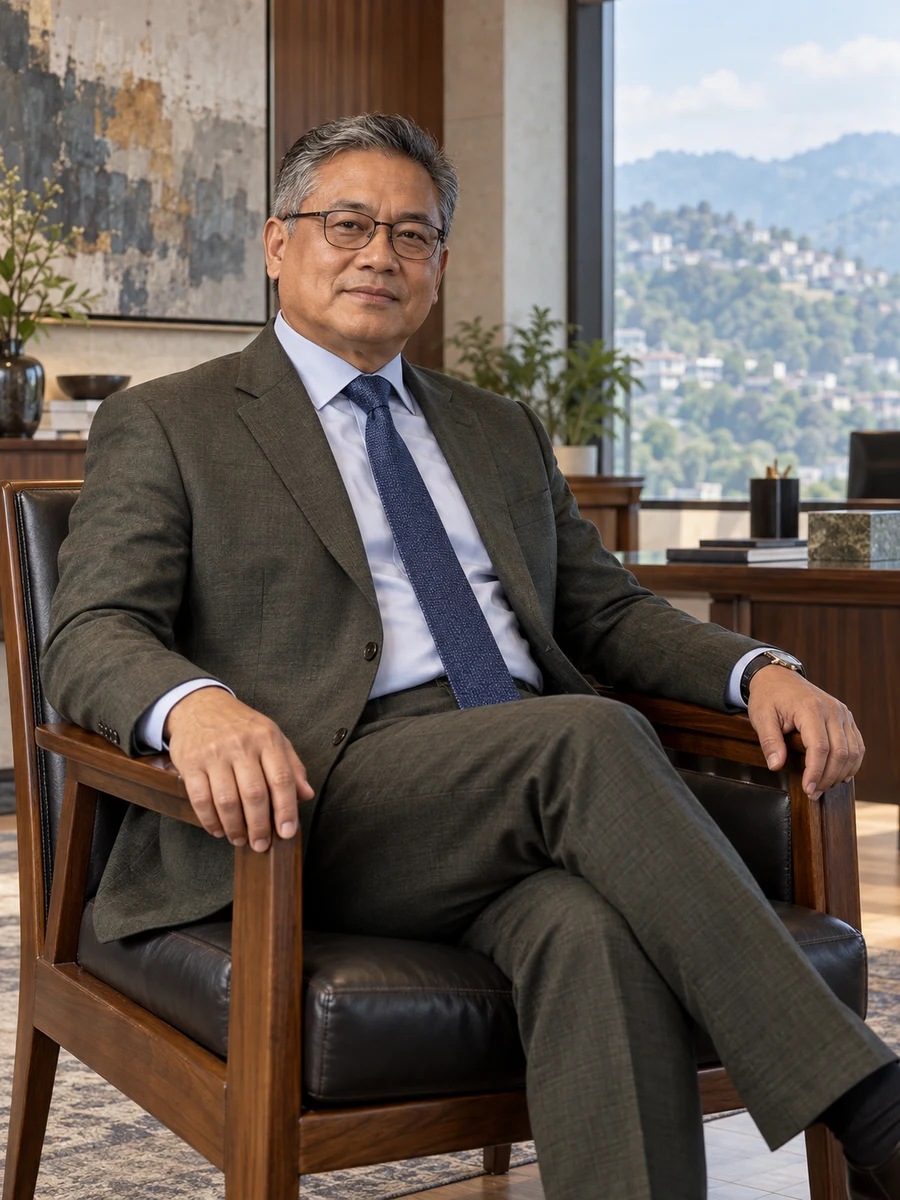
I grew up in Aizawl and began my career in property services, where the useful work often happened after a building had been presented as complete. Someone still had to explain the handover, organise the shared responsibilities and answer the occupier’s first practical question. I carried that perspective into estate operations, yet later approved a programme using a construction milestone as though it settled all those questions. Correcting that decision remains part of how I judge the readiness of an enterprise, not only a property.
I completed commerce studies at Revlazqi Commerce College in June 1990 and joined Velqazri Property Services in July. Seven people formed the client-support group under an estate-services supervisor. I prepared records and coordinated enquiries without authority to approve engineering work, legal arrangements or client expenditure. The work taught me to ask which party owned the next action when a handover document appeared finished but the occupier still could not proceed as expected.
In April 1998 I became client-services manager, leading fifteen colleagues within ₹1.6 crore annual delivery expense. Client property budgets remained separate. I learned to connect the commercial account with the service responsibility that followed it, rather than treat an enquiry as resolved merely because it had been passed to another owner. The role also exposed the difference between work a service company could coordinate and decisions that required the property owner or a qualified professional. I wanted to understand the enterprise taking those decisions, not only the service contract around it.
Dervqazli Workshop Estates appointed me estate manager in April 2007. Forty-four employees supported my site remit within an ₹11 crore annual operating plan, while major capital and technical permissions remained separately authorised. The property housed different workshop businesses whose needs continued beyond the boundaries of their individual units. Shared services, access arrangements and the landlord’s responsibilities had to be understood alongside each occupier’s own fitout and operating approvals. I learned that a good lease conversation needed a credible account of what the estate could actually support.
I became COO in April 2015, leading four operating heads. By the end of that period the enterprise employed 132 people, with ₹48 crore annual revenue, a ₹31 crore operating plan and a separate ₹6 crore capital programme. In 2017 I approved eighteen proposed handovers from a construction summary. Harish’s service review separated twelve supported handovers from six requiring more shared-service work. The board funded the remaining programme and the six dates changed. I had to explain why a valid building milestone did not establish the broader readiness I had promised.
After that programme I began asking for the remaining conditions beside each proposed commitment, with a named owner for the evidence. That made the discussion less tidy but helped colleagues challenge a date before it became a promise to an occupier.
Since April 2021 I have been CEO and an executive director, reporting to a board chaired separately by Miriam Tlangthiang. Six executives now report to me. The company employs 210 people and recorded ₹84 crore revenue for the year ending March 2026, with ₹68 crore lease income and ₹16 crore estate services. Founders own 54 percent, a patient-capital investor 36 percent and an employee vehicle 10 percent. My beneficial 0.15 percent interest sits within the employee allocation rather than adding to the ownership total.
The CEO role has required decisions about the shape of the business as well as its delivery. In 2022 we examined an ₹11 crore set of occupier requests and separated common-estate improvements from tenant-specific production equipment. In 2025 we reviewed forty-two operating and capital decisions after finding that too many routine matters still waited for my involvement. I wanted the enterprise to retain clear accountability without making executive availability a substitute for a workable authority schedule.
The current ₹63 crore operating plan and ₹14 crore capital programme are distinct board-approved envelopes, not a personal unrestricted investment fund. Engineering, building permissions, tenant-use approvals, financial reporting and contracts retain their responsible owners. I would seek another mandate where a board wants those boundaries to support a coherent operating enterprise. An outside-board contribution would require separate eligibility, conflict and capacity assessment. My experience could help directors distinguish property completion from readiness, an attractive request from the business they should own and a strong CEO from an organisation that can only act when the CEO is present.
Open to Board appointments · Executive opportunities
Languages / Mizo · English · Hindi
A leadership conviction
An estate is ready only when its responsibilities are ready. Buildings, assets and decision rights have to support the same operating promise.
- Company employees
- 210
- Six executives report to the CEO
- Annual company revenue
- ₹84 crore
- FY2025–26: ₹68 crore lease income and ₹16 crore estate services
- Privately owned workshop properties
- 2 estates
- Invented properties; no actual public concession represented
Board & advisory record
Current appointments
Dervqazli Workshop Estates
Executive Director
Board of directors; executive appointment, not an independent-director role
April 2021–present
Education & credentials
- Bachelor of Commerce
- Revlazqi Commerce College · 1990
Perspectives from colleagues
Lalrintluanga explains the operating obligations behind a property proposal. He distinguishes the capital we approve from the enterprise we must be able to run afterwards.
He corrected the handover programme he had approved and later moved routine decisions into defined operating authority. The account includes what still needs a reserved decision.