Chief Technology Officer India
The service kept running after the demonstration ended
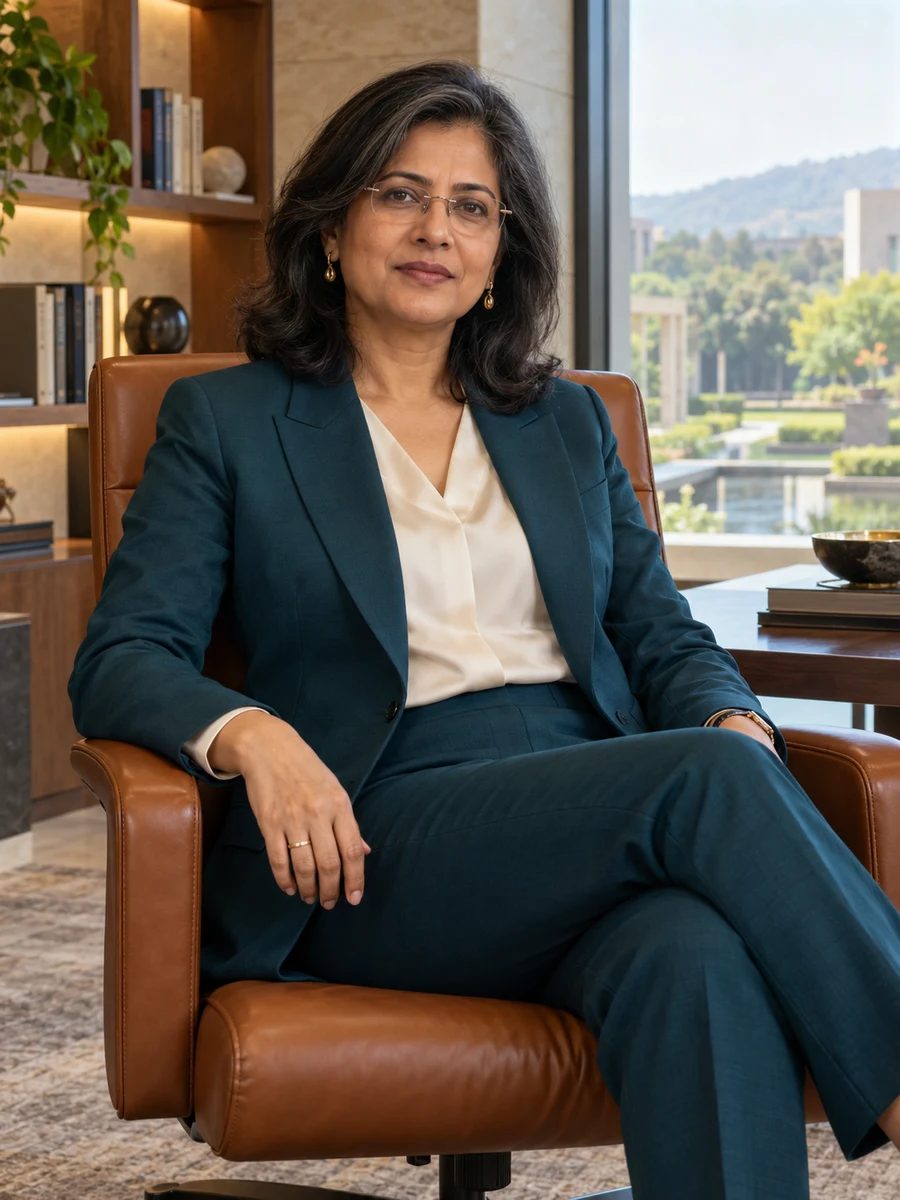
I began in a software team where the demonstration was often the most visible part of the work. A feature could be shown in a meeting, a few expected inputs could be entered and the project could appear close to finished. What interested me increasingly was the period after everyone left that room: the service kept running, other applications consumed its responses and information created earlier still had to make sense. Those conditions became the centre of my engineering judgement, although I did not always give them enough weight in my own recommendations.
After completing computer engineering at Qervazhi Engineering College in May 1996, I joined Zevrqani Software Works in Nashik. I was an individual contributor within an eight-person development group. Senior colleagues assigned implementation work and reviewed it before delivery. I had no authority over client investment or business rules. I learned to describe a result in terms of the inputs and conditions we had actually exercised, while recognising how easily a successful example could acquire a broader meaning during a handover.
In April 2003 I became a team lead, eventually responsible for thirteen colleagues within ₹1.4 crore annual delivery expense. The role put me between the implementation team and client expectations. I had to explain why a change that looked local could affect another consumer or a later operating period. It also taught me to distinguish an engineering concern from authority over the client’s business. Our team could show how the software behaved; the client still owned the policy, commercial and investment decisions surrounding that behaviour.
I moved to Delvrashi Life Assurance in April 2010 as a platform architect. Nine colleagues worked with me within a ₹2.6 crore annual architecture and integration remit. Insurance introduced a longer view of the service relationship. A policy record or partner connection could outlive several releases, and a new platform had to coexist with expectations established earlier. I learned from operating and professional owners without claiming their judgement as my own. Technical correctness did not settle a coverage question, a retention obligation or an actuarial assumption.
The engineering-head appointment in April 2016 expanded my responsibility to thirty-seven colleagues and ₹8.8 crore annual function expense. In 2019 I accepted a performance account based on a short run. A longer exercise exposed memory growth in the application itself, and I had to change the release recommendation. We allocated ₹54 lakh to a ten-week correction and review, with launch moving by two weeks. I could not credibly describe that as a problem discovered by someone else after my decision; my account of readiness had been incomplete.
Since April 2022 I have served as CTO, reporting to CIO Aditya Navrezhi. Four engineering heads lead fifty-eight employees, with nine contractors counted separately. My annual remit now comprises ₹14.6 crore operating expense and ₹4.8 crore approved change investment. Quality head Meera Qelzavri maintains the test account. In 2023 we withheld unresolved client routes after a status-contract change, and in 2025 we separated historical encrypted-data access from the success of new writes. Both decisions required people outside engineering to help define what an acceptable outcome meant.
The company has 720 employees and sixteen branches, with FY 2025–26 gross written premium of ₹1,450 crore. Founder interests, a corporate investor and an employee vehicle own 36,49 and 15 percent respectively. My 0.4 percent beneficial holding through that vehicle is disclosed alongside my employment. I have no statutory seat, and invited presentations to directors do not change that. My experience is in building and explaining engineering evidence within an insurer, including the conditions under which I have withdrawn or narrowed a recommendation.
That experience also changed planning: I ask teams to reserve capacity for the second test after a correction, not only the first demonstration.
I would consider another mandate where an engineering leader can question the demonstration before the organisation commits to the wider promise. For an outside-board contribution, I still need independent-role preparation and a company-specific assessment of relationships, capacity and suitability. I would want to help directors understand what the evidence covers without becoming an informal release approver. The useful question is often modest: which part of the service’s life has this successful test not yet described?
Open to Board appointments · Executive opportunities
Languages / Marathi · Hindi · English
A leadership conviction
A demonstration answers the question we arranged for it. Engineering leadership starts by asking which conditions the service must survive after that demonstration ends.
- Engineering employees
- 58
- Four heads; nine contractors counted separately
- Annual engineering operating expense
- ₹14.6 crore
- Separate from ₹4.8 crore approved change investment
- Software and engineering leadership
- 30 years
- Implementation, delivery, architecture and insurer CTO responsibility
Education & credentials
- Bachelor of Engineering in Computer Engineering
- Qervazhi Engineering College · 1996
Perspectives from colleagues
Suhani explains what a successful demonstration leaves untested. She changed her own release recommendation when the longer run showed a problem.
She kept the unresolved consumer routes in the account after most scenarios passed. The quality report did not have to turn partial progress into universal readiness.