Chief Financial Officer Japan
The carton change that widened my financial view
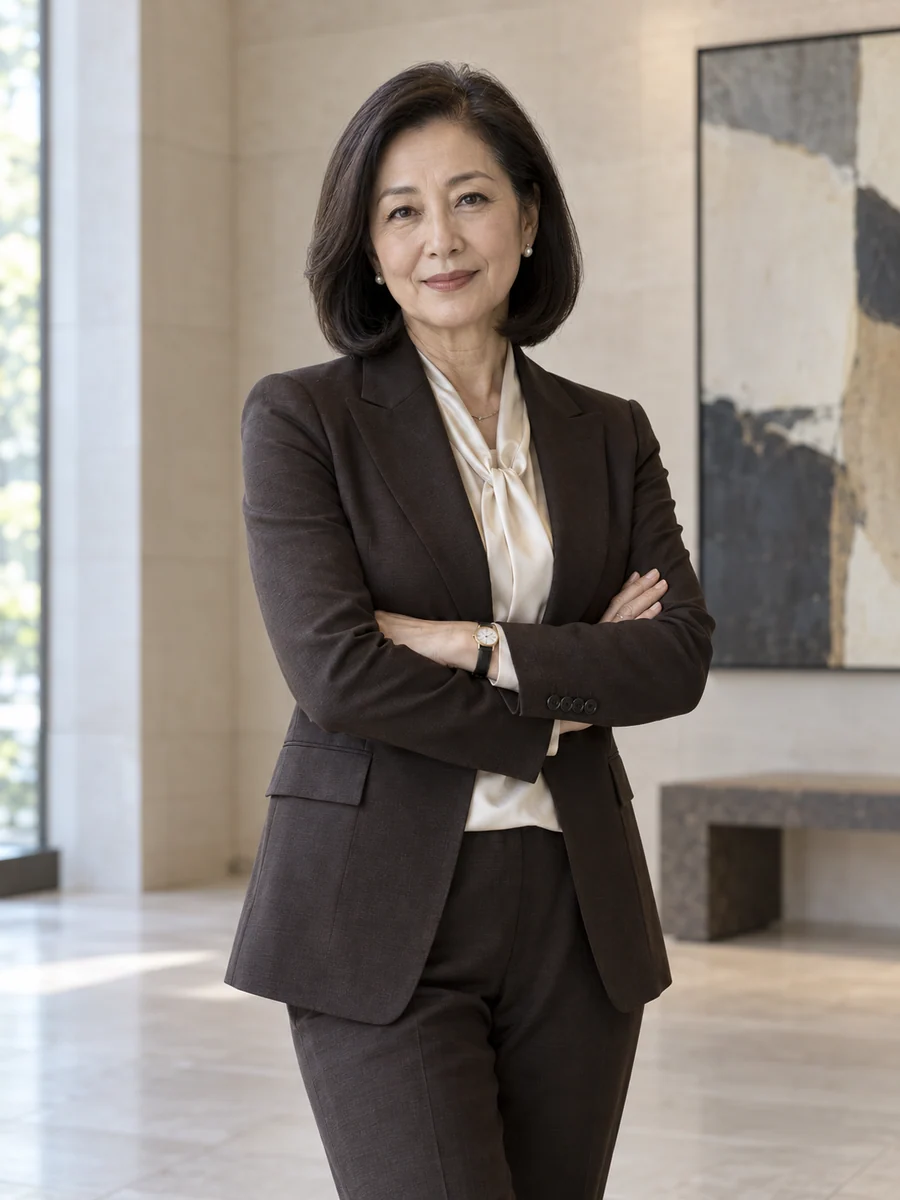
A small change to a printed carton can look inconsequential in a product meeting. At my first employer, it could mean a new plate, a shorter production run, discarded stock and a machine being reset while somebody's delivery waited. I began as an accounts trainee at Mizukane Packaging Works in April 1995. The factory taught me that a unit cost is the result of a sequence of choices, not simply a number that becomes more reliable when reported to another decimal place.
I had completed a business degree at Tsumenari College of Business the previous month. My first responsibilities were modest: checking job records, reconciling material usage and preparing schedules for the management accountant. I was not entitled to tell a production supervisor how to run a press. I could ask why an order required more setup time than expected, record the answer and show whether the estimate for the next order reflected that experience. The distinction between understanding an activity and owning it remains useful in my current role.
I joined Kiyoharune Personal Care in 2001 as a product cost analyst. Moving from packaging into finished skincare and personal-care products introduced more interfaces: formulation, filling, packaging, quality release, sales and retailer support. A product could appear attractive when each function described its own contribution, yet require more total work than the launch case acknowledged. I spent time with planners and site accountants to understand where that work appeared. I also learnt to leave technical conclusions to the people qualified to make them.
In 2007 I became category finance manager for everyday personal care. I supported commercial decisions rather than merely reporting the result after the quarter closed. That exposed me to a different kind of uncertainty. A promotion might have agreed terms, estimated participation and claims arriving weeks later. A retailer could offer valuable shelf space while asking for support that several internal teams recorded differently. I learnt to assemble the complete commercial commitment before arguing about whether an individual cost belonged to marketing or sales.
My appointment as group financial controller in 2013 brought the two manufacturing sites and central functions into one reporting remit. I had to distinguish a real operating change from a shift in where a cost was allocated. I also worked with the finance team to make unresolved estimates easier to revisit. A closing number could be supportable at the time and still need adjustment when better evidence arrived. The important discipline was to retain its basis and owner, so that a later revision became a learning opportunity rather than an argument about who had been wrong.
I became CFO in April 2020. The founder's family remained closely involved in the business, and the chief executive wanted finance to contribute earlier to product and capacity choices. I inherited a capable control function, so the task was not to replace its work with a new vocabulary. I brought site and commercial finance into investment discussions before the headline proposal was settled. That made some meetings longer and occasionally delayed a decision, but it allowed the board to examine practical constraints while alternatives were still available.
The private-label contract decision was particularly difficult. The customer had bought from us for years, and the account contributed positive gross margin. However, its increasingly short runs occupied changeover slots that the same filling line needed for our branded range. The commercial director argued that we should retain a dependable customer while demand remained uncertain. I agreed that the relationship had value, but I could not support a renewal that assumed production flexibility we did not possess. We offered revised specifications and schedules; when those were declined, we completed the existing commitment and allowed the contract to expire.
I joined the board of Kiyoharune Product Services in July 2021. It is an operating subsidiary within our group, and my appointment is executive. The role requires me to consider the subsidiary's own commitments rather than treat its board as another parent-company finance meeting. It has not made me an independent director or given me experience of chairing a board committee. I would approach an external appointment with that distinction clearly stated and with a willingness to learn from directors who have worked under different ownership arrangements.
The work that holds my attention is often the work that falls between formal milestones. A launch has ended, but its retailer claims remain unsettled. An investment has been approved, but its staffing assumptions are not yet secured. A customer contract has positive margin, but the factory cannot perform its promises alongside everything else already sold. I try to make those unfinished obligations visible without treating uncertainty as a reason to refuse every proposal. Good finance should help colleagues choose what they can deliver, and understand what their preferred choice asks of others.
Open to Board appointments
Languages / Japanese · English
A leadership conviction
I ask who will still be doing work on a product after the launch team has moved to its next project. Trade claims, short production runs and packaging changes can all consume resources that the original margin calculation treats too lightly. Finance should make those commitments discussable while the product can still be shaped.
- Group annual revenue
- ¥28.6bn
- Year ended March 2026
- Finance colleagues
- 42
- Central and site finance through four functional heads
- Finance experience
- 31 years
- Packaging, product costing and group leadership
Board & advisory record
Current appointments
Kiyoharune Product Services
Executive director
Subsidiary board; no separate committee
July 2021–present
Education & credentials
- Bachelor of business
- Tsumenari College of Business · 1995
Perspectives from colleagues
Akiko did not dismiss the relationship we would lose by exiting the contract. She made us examine which revised terms we could genuinely deliver before recommending that we let it end.
She learnt to ask why a production job differed from its estimate before deciding that the difference was an error. That made her cost explanations useful to the people running the factory.