Chief Marketing Officer India
Learning who had never entered the conversation
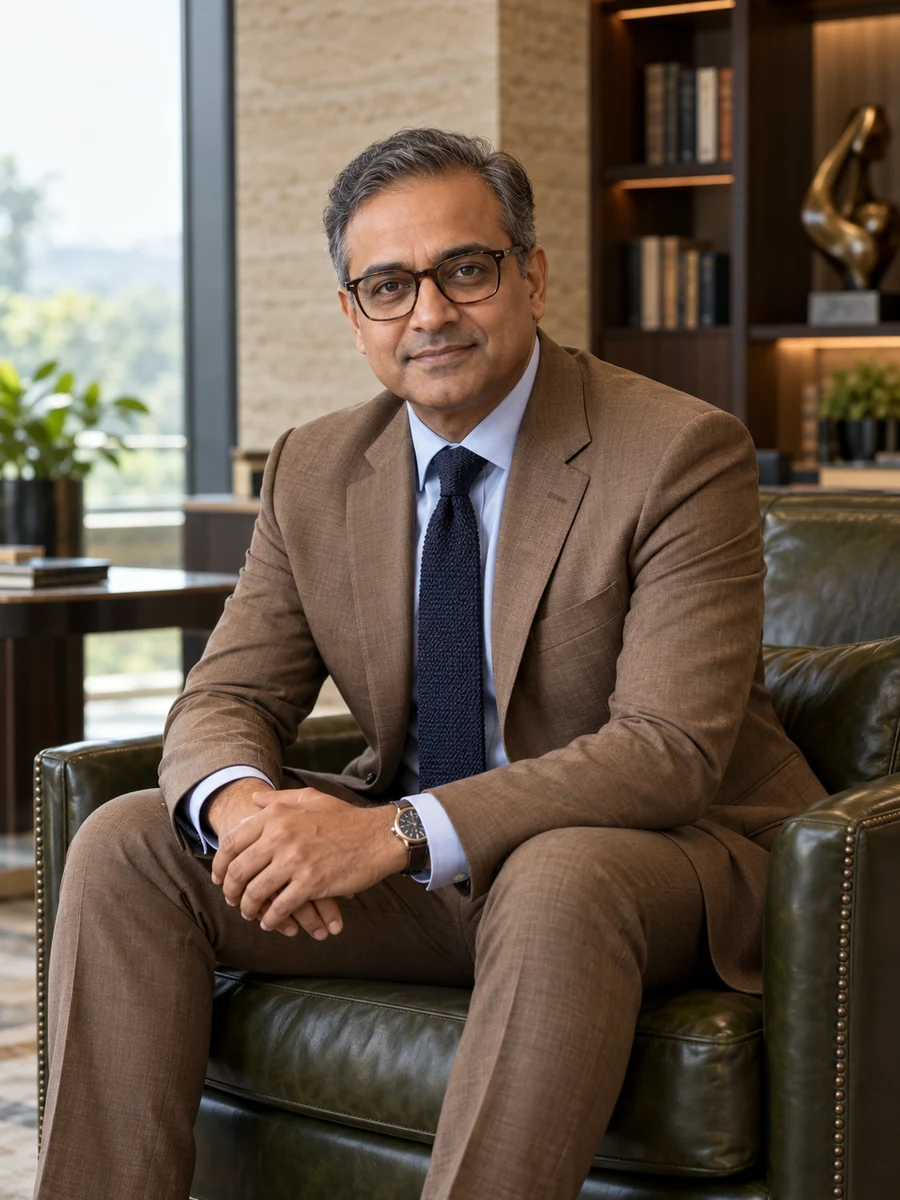
My first research assignments taught me to value a completed interview. They also taught me, more slowly, to ask who had not been interviewed. An articulate participant could explain a preference with confidence, and a full spreadsheet could make the work feel complete. Neither established that the people who answered represented the people a client wanted to reach. That distinction became personal when I later sponsored a cycling proposition whose evidence came from riders already unusually close to the category.
I completed commerce studies in May 1997 and joined Kelqavni Research Studio the following month. I worked as a research assistant in a five-person team, arranging adult interviews and preparing records for senior researchers. I did not choose the client’s investment or independently approve the study design. The work required me to preserve a participant’s meaning without converting it into a convenient answer for the presentation. I learned that recruitment was part of the evidence, not merely an administrative step that disappeared once the responses had arrived.
In 2003 I became a study supervisor, leading seven colleagues within ₹68 lakh annual delivery expense. Clients retained their marketing decisions, and senior researchers reviewed the methods. I began paying more attention to the difference between a useful qualitative account and a population estimate. A conversation could reveal a barrier worth investigating without proving how common it was. Supervising fieldwork also showed me how deadlines encouraged familiar recruitment routes. The people easiest to contact could become the default audience unless someone deliberately asked what that convenience excluded.
Zerqani appointed me category marketing manager in 2010. Eleven colleagues worked within ₹1.8 crore annual marketing authority. Moving into a bicycle retailer gave me responsibility for the proposition after the research report had been delivered. Store colleagues could explain how a campaign question changed when a customer discussed storage, commuting distance or the frame variant actually available. Product suitability remained with qualified colleagues. My role was to make research useful to the communication and commercial decision, without turning a single interview into an anecdote that supposedly explained the entire market.
I became head of consumer marketing in 2016, leading sixteen colleagues through two managers within ₹3.9 crore annual authority. The club-recruited survey occurred during this appointment. I had supported the initial commuter proposition and needed to withdraw the broader inference when the recruitment weakness was challenged. The response was not to dismiss the 240 participants or relabel their answers as worthless. It was to state whose experience they described and investigate the missing perspective separately. I also changed who presented the qualification. The researcher who raised the objection joined the executive discussion rather than sending a warning through my summary. That let colleagues question the method directly and prevented me from softening the concern to protect the earlier recommendation. It was a practical change in how disagreement reached the people approving the commitment. That episode changed the questions I asked before approving a research-led campaign:who was approached, who could take part and what decision the evidence could reasonably support.
The CMO appointment followed in 2022. I now report to Aditi Zelqvani and work alongside Saira Delqvani. Marketing has 22 employees through 3 heads, with 9 agency personnel separately. The company’s ownership combines founders, an investment partnership and employee shareholders; I hold no personal shares. My invited presentations to directors concern marketing commitments and their evidence, not a statutory appointment. I keep placement expense visible within the total authority so that the cost of changing or withdrawing a campaign does not disappear inside a broad brand-investment description.
Creator partnerships and variant-specific availability have added different kinds of discipline. A genuine personal opinion can still be delivered within a commercial relationship that the audience should understand. A central stock report can still be insufficient support for a local invitation to buy a particular size. In both cases I need colleagues outside marketing, and I cannot rescue an incomplete proposition merely by improving its wording. I remain interested in CMO leadership that allows the invitation to become narrower when the evidence requires it. For a future board contribution, I would bring that willingness to question the inference while learning the wider financial and sector account from others.
Open to Board appointments · Executive opportunities
Languages / Gujarati · Hindi · English
A leadership conviction
The people who answer most readily are not necessarily the people we need to understand next. I want the route into our evidence, the relationship behind a recommendation and the availability behind an invitation to remain visible.
- Marketing colleagues
- 22
- Three heads; nine agency personnel separately
- Bicycle retail shops
- 22
- Vadodara-led network serving commuting and leisure customers
- Annual marketing authority
- ₹6.4 crore
- Includes ₹3.1 crore paid-placement expense
Education & credentials
- Bachelor of Commerce
- Vernqeli Commerce College · 1997
Perspectives from colleagues
Milan withdrew an inference he had supported and gave us a narrower recommendation whose evidence we could examine.
The campaign invitation followed confirmed variants rather than asking shops to explain a gap we already knew about.