Chief Executive Officer Canada
Keeping the question connected to the decision
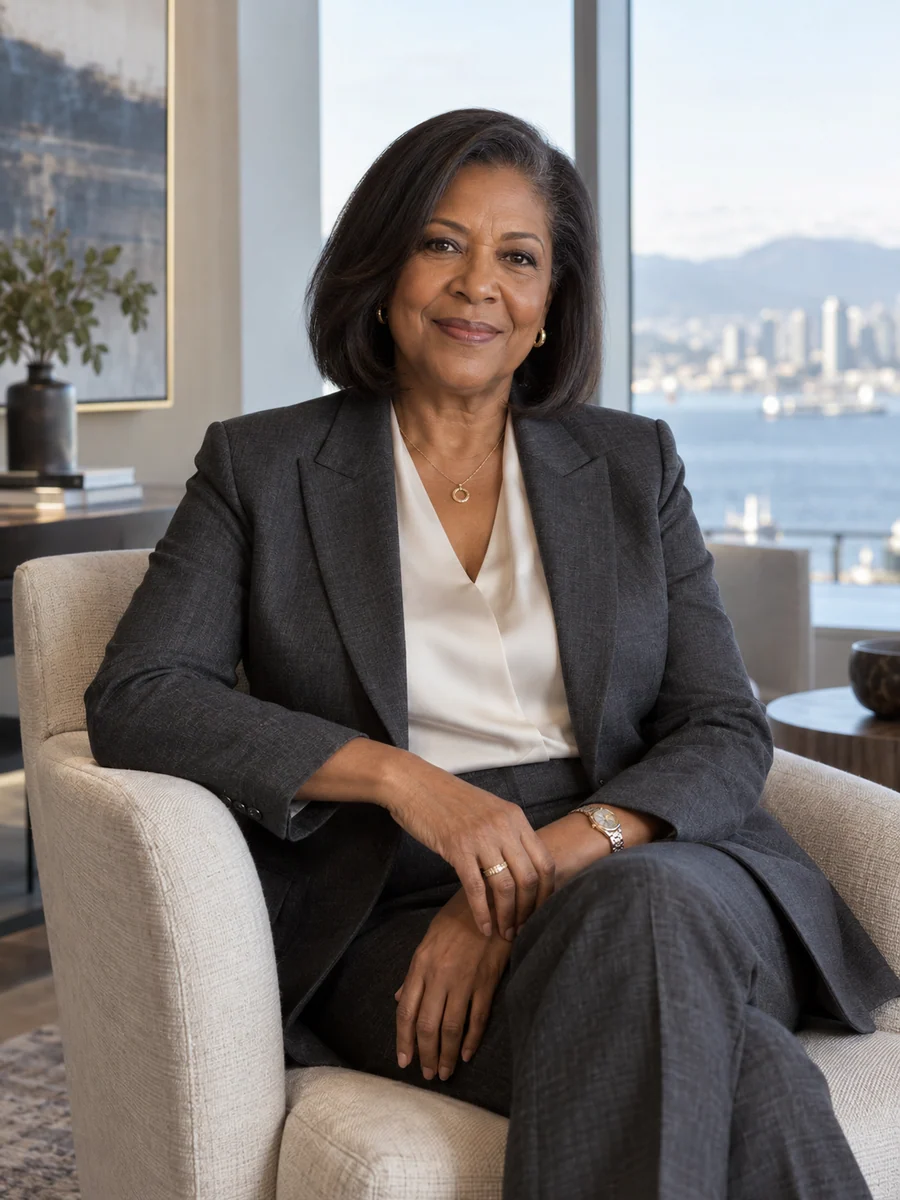
I began in commercial account service after completing a business-administration degree at Viremont College in June 1995. Orvelden Brokers was a privately owned Ontario firm serving businesses whose insurance needs rarely fitted into one neat description. As an assistant, I prepared documents and followed up missing details under the supervision of experienced brokers. I learnt that a client could answer a question honestly while understanding it differently from the person asking. My task was not to decide coverage. It was to keep the question and the answer connected so that someone with the appropriate authority could make the next decision.
In January 2002 I moved into account management, with responsibility for a defined commercial portfolio and three supporting colleagues. The appointment required greater technical judgement and a clearer understanding of the limits of my own experience. I completed the relevant professional learning and worked within the firm’s licensing and supervision arrangements. I became more comfortable explaining why two quotations were not interchangeable, even when the premium difference dominated the client’s attention. I also learnt to ask for help early when a wording or an unusual exposure exceeded my competence. A confident tone was not a substitute for a considered recommendation.
The regional commercial-leadership role followed in January 2009. I now had to organise the work of account teams rather than rely on my own relationships with clients. Good individual practice did not automatically create a reliable firm. A specialist could be technically strong and still receive a file too late to help; an account team could retain a client while carrying a backlog of unanswered questions. I began reviewing the unfinished work behind the renewal total. That did not mean asking colleagues to complete every file before speaking to a customer. It meant being clear about what was known, what remained open and who could agree the next step.
Talbrienne recruited me as COO in January 2015. The company had grown through local relationships and wanted a more coherent operating model without losing the knowledge held in its offices. I spent my first months learning how work actually moved between producers, account managers, specialists and the principal broker. A uniform form could make a file look complete without making its advice sound. I therefore concentrated on responsibilities and review points before standardising presentation. The role also made me more careful with financial language: premium placed, commission earned and the cost of service described different things and needed to remain different in the operating discussion.
I became CEO in January 2021 and joined the company board as an executive director. The founding shareholders remained the majority owners, alongside employee shareholders, with a separate chair. Their growth ambition was legitimate, but I wanted the acquisition discussion to include the relationships and service commitments behind the headline premium. A client was not an asset that would transfer unchanged merely because the owners of a brokerage agreed a price. That judgement eventually led us to revise an acquisition structure, delay completion and reserve more money for transition work. The smaller immediate deal was still worthwhile because we understood more clearly what we were taking on.
My role with technical colleagues is to make their challenge useful before the commercial decision becomes difficult to alter. The principal broker has responsibilities that cannot be reduced to a reporting line in my organisation chart. I want concerns about a recommendation, supervision or client communication to reach the right discussion without being treated as obstacles to a sales plan. I also expect those concerns to be specific. A broad warning that something is risky gives a decision-maker less help than an explanation of the unresolved condition and the choices available.
The claims-assistance pilot brought those boundaries into focus. We could help a client organise documents, find the right insurer contact and understand what was being requested. We could not present the brokerage as the insurer or an independent adjudicator. I funded a rota because leaving that work to whoever happened to be free was not a service model. At the review, we reported the cost and the matters supported, while refusing to infer a settlement improvement that our records could not establish.
I remain committed to leading Talbrienne. An external board could be relevant if it needed experience with the economics and governance of an advice-led business. I would bring an understanding of professional work, client relationships and the limits of operating measures. I would also bring the habit of asking what remains unresolved before accepting a reassuring completion figure. That is a perspective developed through service and management, not a claim to have every technical answer.
Open to Board appointments
Languages / English · French
A leadership conviction
I ask whether the client can explain the decision after the meeting has ended. A recommendation that depends on remembering a hurried qualification is not as clear as it appears on the presentation screen. The unfinished questions should have owners, and the commercial attraction of a placement should not decide how carefully those questions are pursued.
- Commissions and fees
- C$44m
- 2025 brokerage income; premium placed reported separately
- Colleagues
- 260
- Six Ontario offices, June 2026
- Insurance-service experience
- 31 years
- Account support through company leadership
Career chapters
2021–present 01
Chief Executive Officer
Talbrienne Risk Advisers
Executive leadership of a commercial brokerage, connecting client recommendations, technical authority and growth choices.
2015–2020 02
Chief Operating Officer
Talbrienne Risk Advisers
Joined from a regional brokerage role to organise account service and technical review across offices.
2009–2014 03
Regional Commercial Director
Orvelden Brokers
Led commercial account teams and the unfinished work behind their renewal measures.
2002–2008 04
Commercial Account Manager
Orvelden Brokers
Managed a defined business-client portfolio within the firm’s professional supervision arrangements.
1995–2001 05
Commercial Account Assistant
Orvelden Brokers
Prepared account documents and followed outstanding client questions under supervision.
Board & advisory record
Current appointments
Talbrienne Risk Advisers
Executive director
Company board; executive service
January 2021–present
Education & credentials
- Bachelor of Business Administration
- Viremont College · 1995
Perspectives from colleagues
Isabelle brought the transition budget into the acquisition decision before we approved the terms. When the following revenue was lower than the earlier business, she kept the original comparison in the review.
Isabelle could explain why a renewal count looked healthy while particular accounts still needed attention. She asked her managers to identify the unfinished question, not simply repeat that the team was busy.