Chief Executive Officer India
Learning which responsibility the headline leaves out
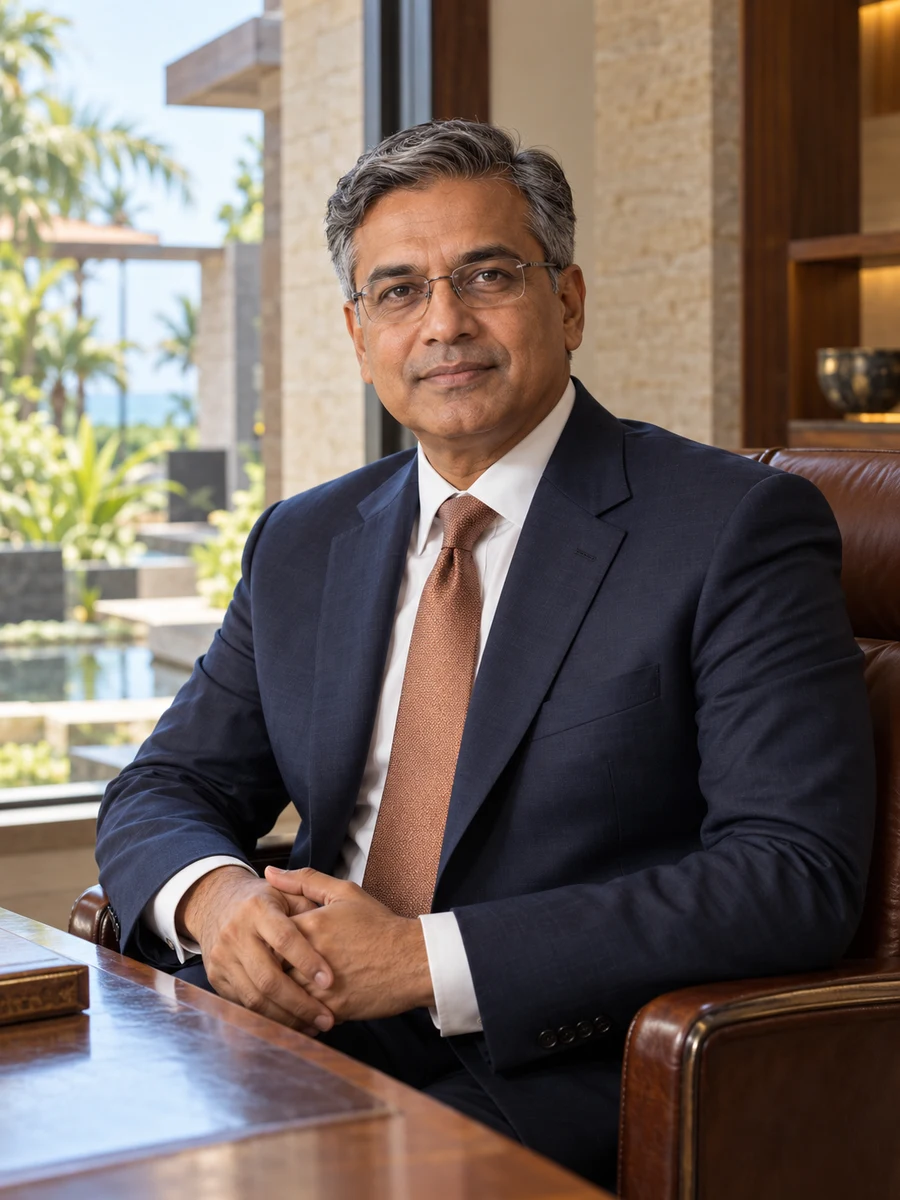
My first work was in benefits administration, where an employee’s question rarely arrived in the tidy form used by the internal process. A record could be present and the person could still need help understanding the next step. I learned to distinguish administrative assistance from authority to decide entitlement or make a clinical judgement. That early boundary has remained useful as my remit expanded: responsibility for the enterprise does not mean every professional conclusion becomes mine to substitute.
I completed commerce studies in May 1994 and joined Kelqerni Benefits Services the following month. In a six-person service group I maintained records and helped prepare responses under senior review. I did not approve benefits, assess medical questions or control client funds. The work made me attentive to the point where a confident answer outran the responder’s authority. It also showed how much effort a person could spend explaining the same situation to several colleagues whose individual records each looked complete.
In 2001 I became service manager with eight colleagues and ₹72 lakh annual delivery expense. Client employers and their appointed professionals retained the relevant benefit decisions. My responsibility was to make our assistance consistent, traceable and clear about what remained with someone else. I learned to bring unresolved questions into the operating review rather than count every dispatched response as a completed service outcome. That did not mean promising an answer the firm could not give. It meant owning the route through which the right person could consider the question.
Merqavni appointed me regional service manager in 2008. Twenty-one colleagues worked within ₹2.4 crore annual function expense. Moving into the insurer made the connection between service, contract and professional assessment more direct. Claims, medical and underwriting colleagues held responsibilities that could not be collapsed into a general customer-service instruction. I had to understand their boundaries well enough to organise assistance around them. I also learned that regional growth required more than an estimate of interest: it created continuing obligations to people whose circumstances would change after the policy was sold.
The COO appointment followed in 2014. Seven heads led 208 operating colleagues within ₹41 crore annual operating expense by the end of the role. During this period I supported the expansion account that confused treatment episodes with distinct adults. The distinction was available, but my summary made the larger number sound like a stronger commercial population. Correcting it required me to change the recommendation, not merely add a footnote. We proposed a smaller discovery programme and kept demand, affordability and underwriting questions separate. The experience made me more careful about the decision a number was being asked to justify.
In April 2021 I became CEO and an executive director. The board-approved enterprise expense plan and eight direct executive reports give me a broader remit, with financial, actuarial, risk and legal authority still explicitly assigned. I work with Saira Vezqlani and Devika Qerqlavi to make their conclusions available to directors without treating a CEO’s shortened explanation as a replacement for them. My statutory role adds collective responsibility; it does not make me independent of the employer or exempt from the interests created by employment.
The dividend proposal in 2023 and assisted-service decision in 2025 tested this approach in different ways. One asked whether a visible financial resource could be treated as available for a shareholder distribution. The other asked whether a digital plan had defined the customer’s ability too conveniently. In each case I needed to support a fuller account even when it weakened a simple recommendation. I also asked that later reviews return to the assumptions rather than merely confirm that the authorised spending had occurred. A programme could stay within its expense plan while still needing a different service or risk decision. I wanted colleagues to see that a professional objection could change the enterprise decision, including one that had already acquired commercial momentum.
I am interested in leadership mandates where growth remains accountable to the obligations it creates. A possible outside contribution would need preparation, role-specific assessment and time compatible with current duties. I would bring experience of asking for the missing part of an enterprise recommendation while continuing to learn from directors whose financial, clinical, legal or sector knowledge goes beyond mine. The value is not another chief executive operating from the boardroom. It is a clearer collective decision about what the company can responsibly undertake.
Open to Board appointments · Executive opportunities
Languages / Kannada · Tulu · English
A leadership conviction
An insurer’s apparent room to grow has to be examined beside the promises it already carries. I want the unresolved obligation in the decision before the commitment becomes difficult to reverse.
- Employees
- 580
- Eight executives reporting to the CEO
- FY 2025–26 gross written premium
- ₹960 crore
- Not revenue, profit or freely available cash
- Annual enterprise operating-expense plan
- ₹124 crore
- Approved by the board for FY 2026–27
Education & credentials
- Bachelor of Commerce
- Tervlani Commerce College · 1994
Perspectives from colleagues
Arvind did not turn the bank balance into a dividend conclusion. He made room for the full financial account before asking the board to commit.
The limits of our assessment remained visible in the enterprise recommendation, including when they narrowed the commercial argument.