Chief Executive Officer India
Learning who can commit the resources behind a promise
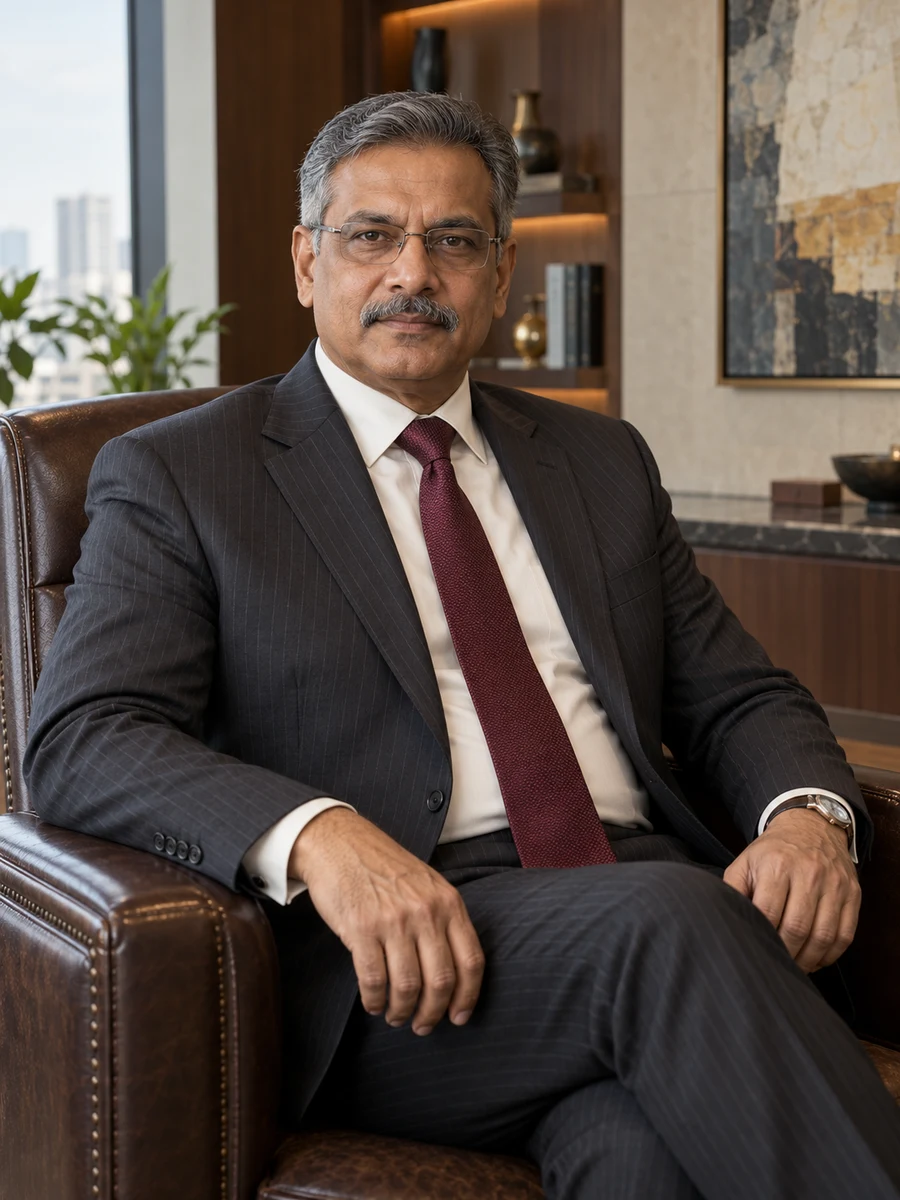
I began as a production planner at Velqarn Industrial Furniture in Nagpur after completing a production-engineering diploma at Selqethi Production College in May 1994. My first job was to connect orders with the work the plant could schedule. A date on a customer document was not enough. Materials, drawings and the sequence of work could each change what was possible. I learned to ask who had made the commitment and which assumptions had accompanied it.
In April 2000 I became plant manager. I led seventy-five employees through three supervisors and managed ₹6.4 crore annual plant expense. The role made me responsible for the consequences of conflicting priorities. An urgent request could appear reasonable to the person making it while displacing work promised to someone else. I tried to resolve those conflicts through effort and personal relationships. That kept some orders moving but did not always make the underlying trade-off visible to management.
I joined Dalqethi Workshop Systems as business-unit manager in April 2008. I was responsible for a workshop-furniture unit with eighty-five employees through four managers and ₹28 crore annual revenue responsibility at period end. The move connected the factory with pricing, customer expectations and service after delivery. It taught me that a shipment was only part of the offer. When a customer called after installation, the issue could cross several managers who each believed their own work was complete. I began asking who would stay accountable until the customer understood the answer. That experience later shaped my insistence on funding support before entering another region. Replacement components, configuration questions and the ability to respond in another region affected whether the commercial promise was credible.
The COO appointment followed in April 2015. I led 190 operating employees through five functional heads, with ₹44 crore annual operating expense and a separate ₹4.8 crore approved capital allocation. I worked across production, supply, installation coordination and service. I also continued to accommodate informal priority requests from senior relationship holders. I thought I was protecting the company's flexibility. Later review showed that the arrangement could leave a customer and the factory relying on different promises without anyone accepting responsibility for reconciling them.
In April 2021 I became CEO and joined the statutory board as an executive director. These are concurrent responsibilities, not two separate outside appointments. I lead six executive direct reports and have enterprise profit responsibility within the board's delegated authority. Dalqethi employed 270 people in March 2026 and recorded ₹116 crore revenue and ₹8.9 crore operating profit in FY 2025–26. The annual capital envelope is ₹9.6 crore. Non-executive chair Uma Selvqani leads the board, while Rohan Pelqathi is CFO.
The founder family holds 55%, an industrial investment shareholder 35% and employee shareholders 10%. I have no personal equity. That structure requires me to explain decisions to owners with different expectations while remaining responsible for the whole enterprise. The delivery review in 2022 tested that responsibility. Nine of thirty-eight orders carried conflicting dates, including commitments made outside the normal operating route. We reconciled the cohort and changed how exceptions could be approved, including requests originating with owners.
The regional-support proposal in 2024 raised a different issue. A ₹12 crore annual sales forecast across three regions looked attractive until the service-parts stock and recurring support expense were included. We selected a narrower launch with resources assigned before orders were pursued. In 2025 a proposed ₹5 crore dividend required a cash discussion that went beyond the bank balance. Scheduled payments left much less available in the reviewed period. The board approved a smaller distribution after finance and professional review.
I speak Hindi, Marathi and English. I want my next executive mandate to make the authority behind a promise as clear as the ambition behind it. A potential outside seat would require time, conflict review and further preparation for the different role. My current executive directorship is actual board service, but it does not establish independence or complete the assessment for another appointment. I would bring experience of asking owners and managers to accept the consequences of a coherent company decision. That includes acknowledging where I previously relied on informal intervention instead of a process that customers and colleagues could understand. A CEO's credibility should survive an account of those earlier choices, not depend on leaving them out.
Open to Board appointments · Executive opportunities
Languages / Hindi · Marathi · English
A leadership conviction
The company cannot make one promise through the founder, another through sales and a third through the factory, then ask the customer to reconcile them. My job is to make the authority and resources behind our commitments clear. That includes service after delivery and the money already spoken for when owners ask what can be distributed.
- Company employees
- 270
- March 2026; six executive direct reports
- Company revenue
- ₹116 crore
- FY 2025–26; ₹8.9 crore operating profit
- Manufacturing experience
- 32 years
- Production planning to CEO and executive statutory director
Education & credentials
- Diploma in Production Engineering
- Selqethi Production College · 1994
Perspectives from colleagues
Farid asked us to apply the same delivery authority to requests from owners. He brought the cost and the revised customer dates with the recommendation, rather than promising a painless change.
He made the cash commitments part of the shareholder discussion and supported a smaller distribution. The financial review stayed with finance, while the enterprise choice had a clear executive owner.